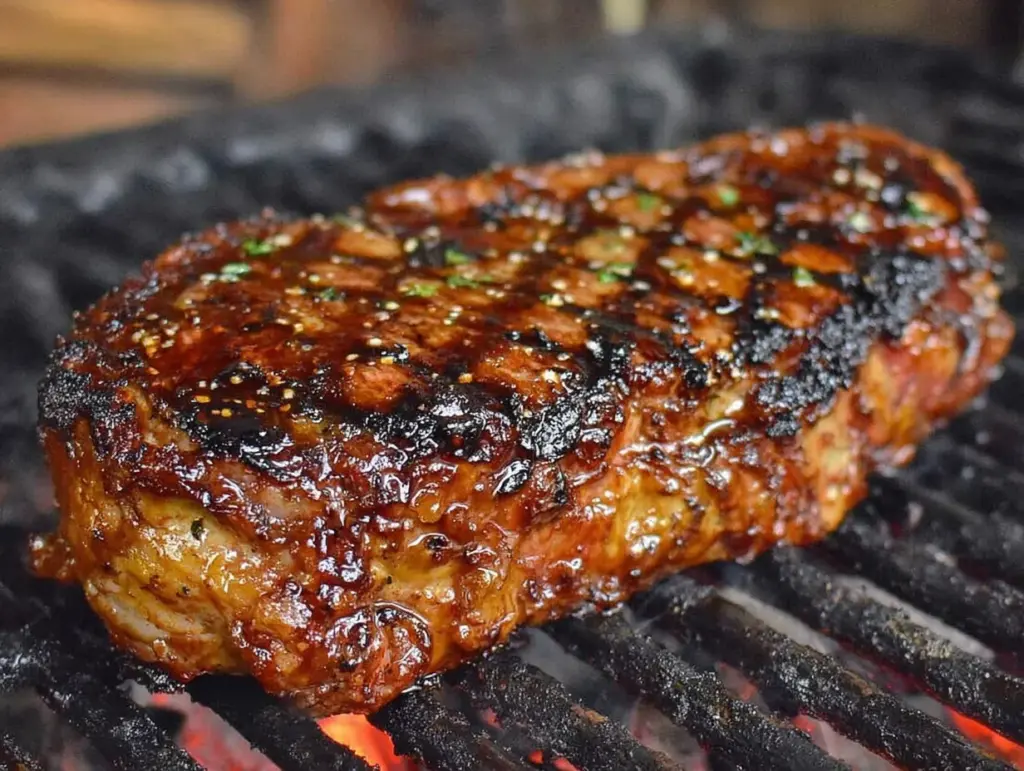
“You know, I wasn’t expecting a backyard cookout to turn into a bit of a culinary experiment, but there I was — staring at a thick New York strip steak that was just begging for more than the usual grill routine.” It was last summer, on a hazy Thursday evening when my neighbor, Tom, ambled over with a chuckle. He said, “Ever tried reverse searing a steak? It’s a game changer.” I’d heard whispers about the method but never really took it seriously until that moment.
Tom’s casual approach—no fancy equipment, just patience and a trusty cast-iron skillet—made the whole process feel accessible. At first, I was skeptical. I mean, who wants to wait longer for steak when you can just slap it on the grill, right? But I went along with it, figuring, why not? The aroma as the crust formed was unlike anything I’d experienced before, the sizzle almost musical.
There was a tiny hiccup in the kitchen—forgot to preheat the pan properly and nearly overcooked one side. Classic me. Still, the outcome was stunning: a juicy, tender New York strip steak with that perfect crust and a warm, evenly cooked interior. That’s the kind of steak that makes you close your eyes, savor every bite, and maybe even forget to chew quickly enough.
Maybe you’ve been there, caught between the rush of weeknight dinners and that craving for something truly delicious. This perfect reverse sear New York strip steak recipe is one I keep coming back to, especially when I want that restaurant-quality steak without the fuss or fancy gear. Let me tell you, once you try it, you might just find yourself ditching the traditional grill-first method for good.
Why You’ll Love This Recipe
Having tested this reverse sear method multiple times, I can confidently say it’s a keeper. Here’s why it stands out:
- Quick & Easy: The steak cooks gently in the oven first, then gets a fast, flavorful sear in under 30 minutes total—perfect for busy evenings.
- Simple Ingredients: No complicated marinades or rare spices. Just high-quality New York strip, salt, pepper, and a touch of butter or oil.
- Perfect for Impressing: Whether it’s a casual dinner or a special occasion, this method brings out steakhouse-quality taste that’s sure to wow guests.
- Crowd-Pleaser: Juicy, tender, and rich with a crisp crust, it’s a hit with both steak lovers and skeptics alike.
- Unbelievably Delicious: The reverse sear technique locks in juices and creates a consistent medium-rare center—no gray bands, just pure steak bliss.
This recipe isn’t just another steak method; it’s the kind that makes you pause between bites, savoring the perfectly balanced flavors and textures. The slow oven warming combined with that final sear delivers a juicy interior and caramelized crust that’s tough to beat. Plus, it’s forgiving—great for those who sometimes struggle with timing or temperature control.
Honestly, once you nail this technique, you’ll find yourself reaching for the New York strip every time you want a steak that feels both indulgent and homey. It’s comfort food done right, with a touch of finesse.
What Ingredients You Will Need
This recipe uses simple, wholesome ingredients to bring out the best in your New York strip steak without any fuss. Most of these are pantry staples, and the quality of your steak really shines here.
- New York Strip Steak (about 1 to 1.5 inches thick, 12-16 oz / 340-450 g): Choose a well-marbled cut from a trusted butcher or brand. I prefer USDA Choice for great flavor and tenderness.
- Coarse Kosher Salt: Essential for seasoning and forming that beautiful crust.
- Freshly Ground Black Pepper: Adds a mild heat and aroma, freshly cracked just before cooking.
- Neutral Oil (like avocado or grapeseed oil, 1-2 tbsp): For searing, choose oils with high smoke points to get that perfect crust.
- Unsalted Butter (1 tbsp): Added during the sear for richness and a subtle nutty flavor.
- Fresh Garlic Cloves (2 cloves, lightly smashed): Optional, but they add a lovely aroma when basting the steak.
- Fresh Thyme or Rosemary Sprigs (a few sprigs): Also optional, but a nice touch for flavoring during the final sear.
If you want to swap things up, grass-fed or dry-aged New York strip steaks work beautifully here too, though they may cook a tad faster due to lower fat content. For seasoning, keep it simple; adding too many spices can mask the natural beef flavor.
Pro tip: Let your steak sit at room temperature for about 30 minutes before starting—this helps it cook more evenly in the oven and reduces the risk of a cold center. Also, I recommend checking out local butcher shops or trusted brands like Certified Angus Beef for consistent quality.
Equipment Needed
- Oven: For the slow, gentle initial cooking phase.
- Cast Iron Skillet: Ideal for the sear thanks to its excellent heat retention. If you don’t have one, a heavy stainless steel pan works too.
- Instant-Read Meat Thermometer: Crucial for checking the internal temperature to hit that perfect medium-rare.
- Tongs: For flipping the steak without piercing it and losing juices.
- Baking Sheet with Wire Rack: Allows air circulation around the steak during the oven phase, promoting even cooking.
If you’re on a budget, a sturdy ovenproof skillet and a digital thermometer are the only must-haves. I’ve tried using regular frying pans, but they don’t develop the crust as nicely. Also, avoid using forks to flip the steak—tongs are your best friends here.
Keep your cast iron skillet well-seasoned for best results; I swear by regular seasoning with flaxseed oil to maintain its non-stick surface and longevity.
Preparation Method
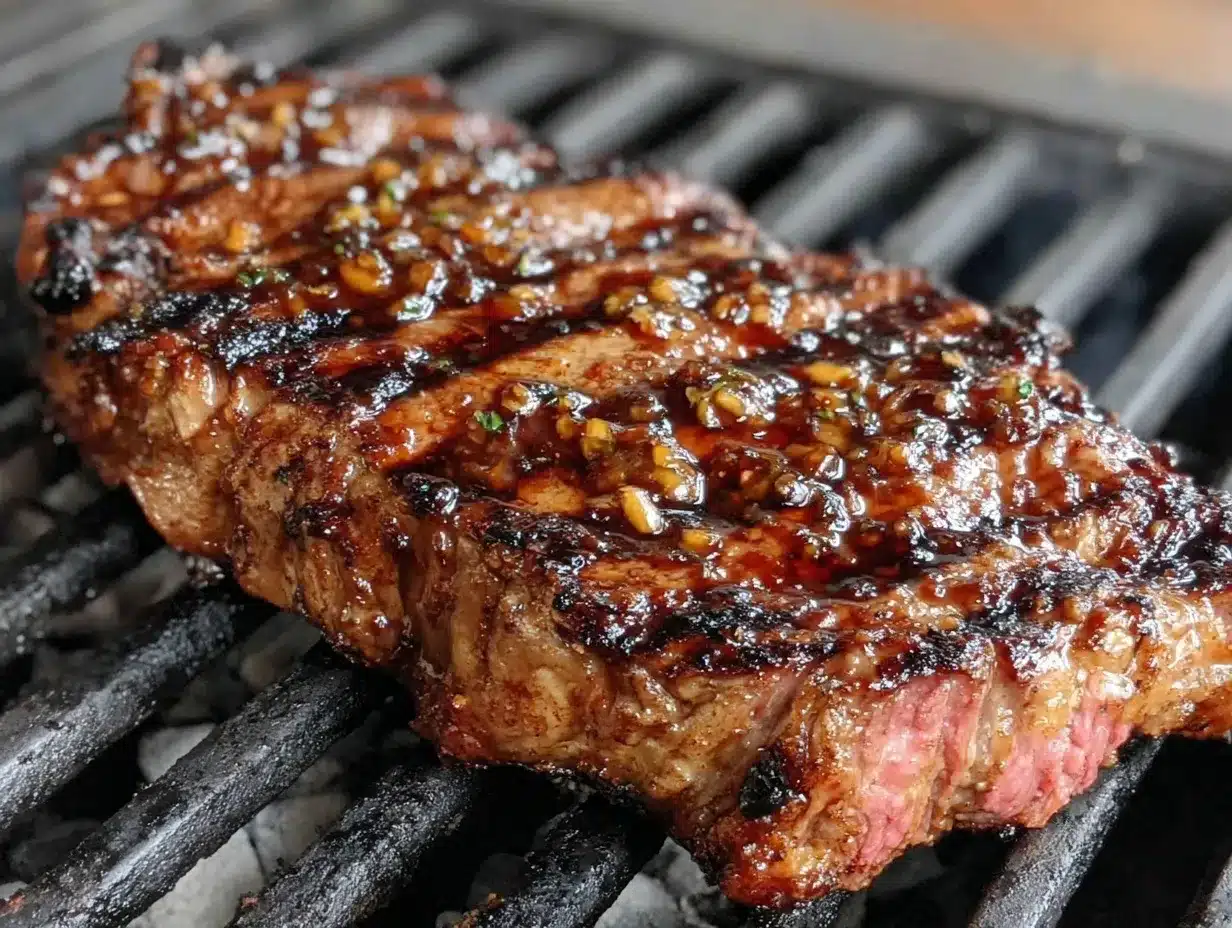
- Preheat your oven to 275°F (135°C). This lower temperature lets the steak cook evenly inside without rushing the process.
- Pat your New York strip steak dry with paper towels to remove any excess moisture. This step is key for a good sear later.
- Season generously on both sides with coarse kosher salt and freshly ground black pepper. Don’t be shy here; the salt helps create a flavorful crust.
- Place the steak on a wire rack set inside a rimmed baking sheet. This setup lets air circulate, cooking the steak evenly all around.
- Insert an instant-read thermometer into the thickest part of the steak. Put the baking sheet in the oven and cook until the internal temperature reaches 115°F (46°C) for medium-rare, about 20-30 minutes depending on thickness.
- Remove the steak from the oven and let it rest for 10 minutes. This resting period allows juices to redistribute, keeping the steak juicy.
- While resting, heat your cast iron skillet over high heat until it’s smoking hot. Add the neutral oil to coat the base.
- Carefully place the steak in the skillet and sear for about 1-2 minutes per side, until a deep golden-brown crust forms. Add butter, garlic cloves, and herbs to the pan; tilt the pan slightly and spoon the melted butter over the steak for extra flavor.
- Check the internal temperature again. It should be around 130-135°F (54-57°C) for a perfect medium-rare finish. Adjust cooking time slightly if necessary.
- Transfer to a plate and let rest again for 5 minutes before slicing. This final rest keeps the steak tender and juicy.
Pro Tip: If you’re in a rush, you can shorten the oven time but be mindful that the steak might cook less evenly. Also, don’t skip the resting steps—they’re the secret to juicy steak every time.
When searing, avoid overcrowding the pan to maintain high heat. If your kitchen smells like a steakhouse now, you’re doing it right!
Cooking Tips & Techniques
Reverse searing might sound fancy, but once you get the hang of it, it’s honestly one of the most reliable ways to cook steak at home.
- Use a thermometer: This is non-negotiable if you want consistent results. Guessing internal temperature can leave you with overcooked or underdone steak.
- Don’t skip drying the steak: Moisture is the enemy of a good crust. Pat it dry thoroughly before seasoning.
- Rest in stages: Resting after oven cooking and again after searing keeps juices locked in. I learned this the hard way after cutting into a steak too soon and losing all that goodness.
- High smoke point oils: Avoid olive oil for searing. Avocado or grapeseed oil stand up better to high heat and prevent burning.
- Heat your pan properly: The pan should be nearly smoking before you add the steak. Otherwise, you’ll get a gray crust instead of that gorgeous caramelized sear.
- Multitask wisely: While the steak’s in the oven, prep sides or set the table. That way, the searing is the final flourish, not a stressful last step.
Remember, even if your first attempt isn’t perfect, this method is forgiving. You’ll get better each time, and soon it’ll become your go-to steak technique.
Variations & Adaptations
One of the fun things about this reverse sear method is how adaptable it is. Here are a few ways to switch things up:
- Dietary tweaks: For a dairy-free version, skip the butter during searing and use coconut oil or ghee instead.
- Seasoning variations: Try adding smoked paprika or a pinch of cayenne to the salt and pepper for a smoky kick.
- Different cuts: Ribeye or filet mignon work beautifully with this technique—just adjust cooking time based on thickness.
- Herb infusions: Experiment with sage or tarragon instead of thyme or rosemary for fresh flavor twists.
- Cooking methods: If you don’t have an oven, you can finish the steak in a low-temp sous vide bath before searing, but honestly, the oven method is simpler and just as delicious.
Personally, I once swapped in smoked sea salt and fresh cracked pepper for a memorable backyard BBQ. The smoky notes paired beautifully with the sear.
Serving & Storage Suggestions
Serve your reverse sear New York strip steak warm, sliced against the grain for maximum tenderness. A sprinkle of flaky sea salt on top just before serving adds a lovely crunch and flavor boost.
Pair with classic sides like roasted garlic mashed potatoes, sautéed green beans, or a crisp arugula salad with lemon vinaigrette. For drinks, a bold red wine like Cabernet Sauvignon complements the rich beef perfectly.
If you have leftovers (lucky you!), store them in an airtight container in the fridge for up to 3 days. To reheat, gently warm the steak in a low oven (about 250°F / 120°C) until heated through, then refresh the crust with a quick sear in a hot pan.
Flavors actually deepen a bit after resting overnight, so sometimes I purposely save steak for the next day’s lunch—it tastes just as good, if not better.
Nutritional Information & Benefits
A 12-ounce (340 g) New York strip steak typically provides about 700 calories, with around 50 grams of protein and 50 grams of fat, depending on trimming. It’s a great source of iron, zinc, and B vitamins, which are essential for energy and immune support.
This recipe keeps things simple—no heavy sauces or extra carbs—so it fits well into low-carb, keto, or paleo eating plans. Just watch your portion size if you’re mindful of saturated fat intake.
Choosing grass-fed beef can boost omega-3 fatty acid content, making your steak a bit more heart-friendly. From my experience, enjoying a well-cooked steak like this can be part of a balanced diet, especially when paired with plenty of veggies.
Conclusion
This perfect reverse sear New York strip steak recipe is the kind of recipe that turns a simple cut of beef into a juicy, tender masterpiece with minimal fuss. Whether you’re cooking for yourself or a small crowd, it’s reliable, delicious, and downright satisfying.
Feel free to play around with seasoning or sides to make it your own—you might find a new favorite twist! Personally, this steak always reminds me of those easy summer nights with friends, good conversation, and no pressure. It’s comfort and a little bit of magic on a plate.
Give it a try, and tell me how it went! I’d love to hear your tweaks or favorite pairings. Happy cooking and enjoy every juicy, flavorful bite.
FAQs
What is the reverse sear method for steak?
Reverse searing involves slowly cooking the steak in a low oven first, then finishing it with a hot pan sear to create a crispy crust and even, juicy interior.
How thick should my New York strip steak be for reverse searing?
Steaks about 1 to 1.5 inches thick work best. Thinner cuts cook too quickly and won’t benefit as much from the slow oven phase.
Can I use the reverse sear method for other steak cuts?
Absolutely! Ribeye, filet mignon, and even thicker sirloin steaks can be cooked this way with slight timing adjustments.
Do I need a special thermometer for this recipe?
An instant-read meat thermometer is highly recommended to monitor internal temperature and avoid overcooking.
How do I know when the steak is done?
For medium-rare, pull the steak from the oven at 115°F (46°C), then after searing, the internal temperature should be around 130-135°F (54-57°C). Adjust based on your preferred doneness.
Pin This Recipe!
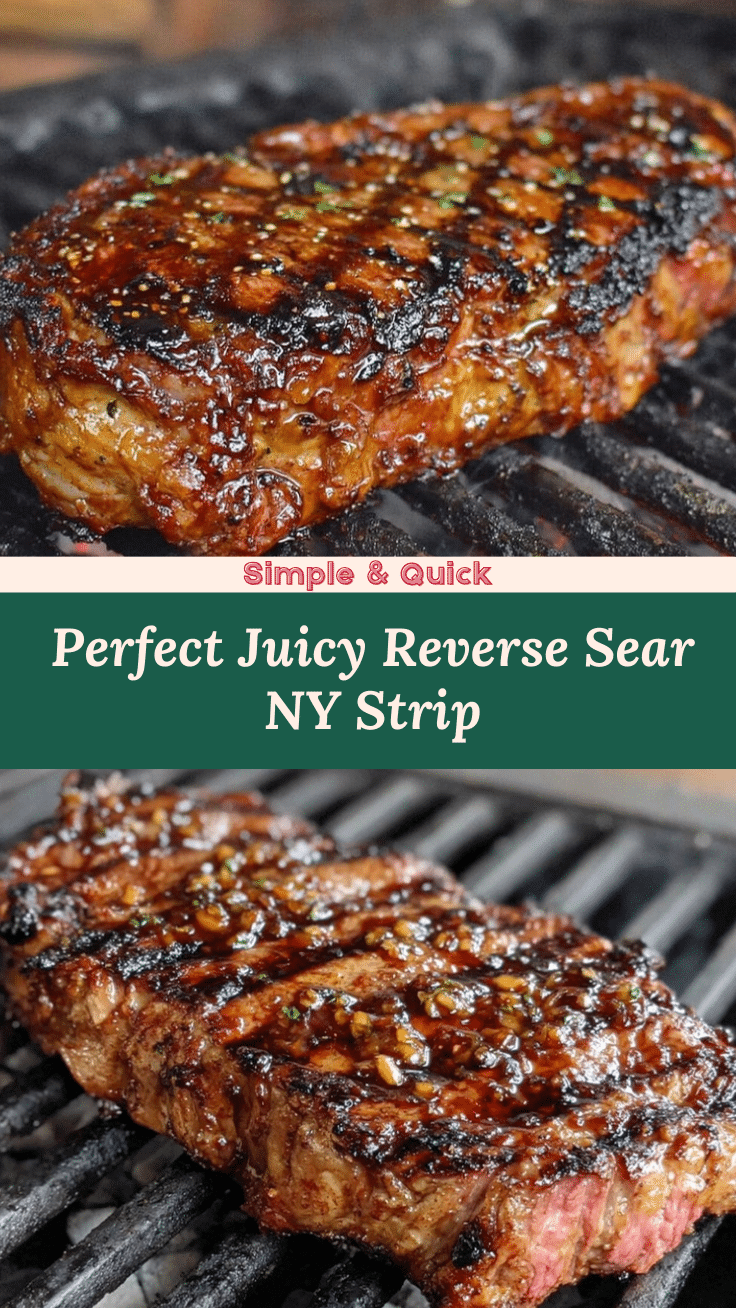
Perfect Reverse Sear New York Strip Steak Recipe for Juicy Tender Results

This reverse sear method delivers a juicy, tender New York strip steak with a perfect crust and evenly cooked interior, ideal for steak lovers seeking restaurant-quality results at home.
- Prep Time: 10 minutes (plus 30 minutes to bring steak to room temperature)
- Cook Time: 30 minutes
- Total Time: 40 minutes
- Yield: 1 serving 1x
- Category: Main Course
- Cuisine: American
Ingredients
- 1 New York Strip Steak (12–16 oz, 1 to 1.5 inches thick)
- Coarse Kosher Salt, to taste
- Freshly Ground Black Pepper, to taste
- 1–2 tbsp Neutral Oil (avocado or grapeseed oil recommended)
- 1 tbsp Unsalted Butter
- 2 Fresh Garlic Cloves, lightly smashed (optional)
- Fresh Thyme or Rosemary Sprigs (a few sprigs, optional)
Instructions
- Preheat your oven to 275°F (135°C).
- Pat your New York strip steak dry with paper towels to remove any excess moisture.
- Season generously on both sides with coarse kosher salt and freshly ground black pepper.
- Place the steak on a wire rack set inside a rimmed baking sheet to allow air circulation.
- Insert an instant-read thermometer into the thickest part of the steak. Cook in the oven until the internal temperature reaches 115°F (46°C) for medium-rare, about 20-30 minutes depending on thickness.
- Remove the steak from the oven and let it rest for 10 minutes to allow juices to redistribute.
- While resting, heat your cast iron skillet over high heat until smoking hot. Add the neutral oil to coat the base.
- Carefully place the steak in the skillet and sear for about 1-2 minutes per side until a deep golden-brown crust forms. Add butter, garlic cloves, and herbs to the pan; tilt the pan slightly and spoon the melted butter over the steak for extra flavor.
- Check the internal temperature again; it should be around 130-135°F (54-57°C) for a perfect medium-rare finish. Adjust cooking time slightly if necessary.
- Transfer the steak to a plate and let rest again for 5 minutes before slicing to keep it tender and juicy.
Notes
Let the steak sit at room temperature for about 30 minutes before cooking for even cooking. Use a thermometer for best results. Avoid overcrowding the pan when searing. Rest the steak twice to lock in juices. Use high smoke point oils like avocado or grapeseed oil for searing. For dairy-free version, substitute butter with coconut oil or ghee.
Nutrition
- Serving Size: 1 steak (12-16 oz)
- Calories: 700
- Sodium: 600
- Fat: 50
- Saturated Fat: 20
- Protein: 50
Keywords: reverse sear, New York strip steak, steak recipe, juicy steak, cast iron skillet, medium-rare steak, easy steak recipe