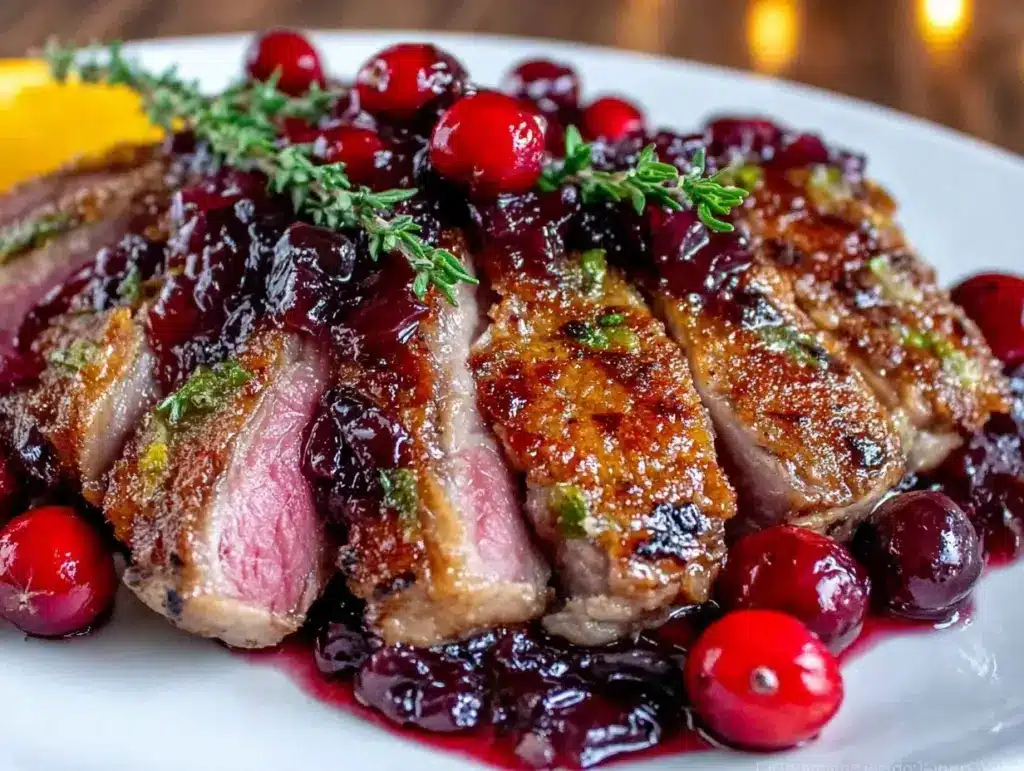
“You know that moment when you’re halfway through cooking dinner, and suddenly the power flickers out? Well, last Thursday was exactly that for me. I was in the middle of pan searing duck breasts, carefully scoring the skin like my friend Marco had shown me, when the kitchen lights went dead. Honestly, I thought the whole thing was doomed. But with just the ambient light from the streetlamp outside and a stubborn spirit, I finished the dish—and it turned out better than I ever expected.
This recipe for perfect pan seared duck breast with cherry port reduction isn’t just about the technique; it’s a little story of patience, a pinch of improvisation, and the magic of pairing rich, savory meat with a luscious, tangy sauce. I remember my neighbor, Mrs. Lane, popping her head in to check on the ‘fire alarm’ of sizzling fat, and she couldn’t stop talking about the aroma filling the hallway.
Maybe you’ve been there—caught off guard but somehow ending up with a dinner that feels like it belongs in a fancy restaurant. That’s exactly why this recipe stays with me. It’s approachable but feels special, and honestly, it’s one I keep returning to whenever I want to impress without the stress. So, let’s get into what makes this duck breast recipe so wonderfully satisfying and just a little bit unforgettable.
Why You’ll Love This Recipe
Having tested countless ways to cook duck breast, this recipe stands out because of its balance between simplicity and elegance. Honestly, pan searing duck can feel intimidating, but this method breaks it down to something anyone can handle.
- Quick & Easy: From start to finish, it takes about 30 minutes—perfect when time’s tight but you still want a treat.
- Simple Ingredients: No need for exotic items—just duck breasts, fresh cherries (or frozen if out of season), and a few pantry staples.
- Perfect for Special Dinners: Whether it’s a date night or a weekend indulgence, this dish makes you feel like a pro chef.
- Crowd-Pleaser: I’ve served this to friends who usually shy away from duck, and they went back for seconds.
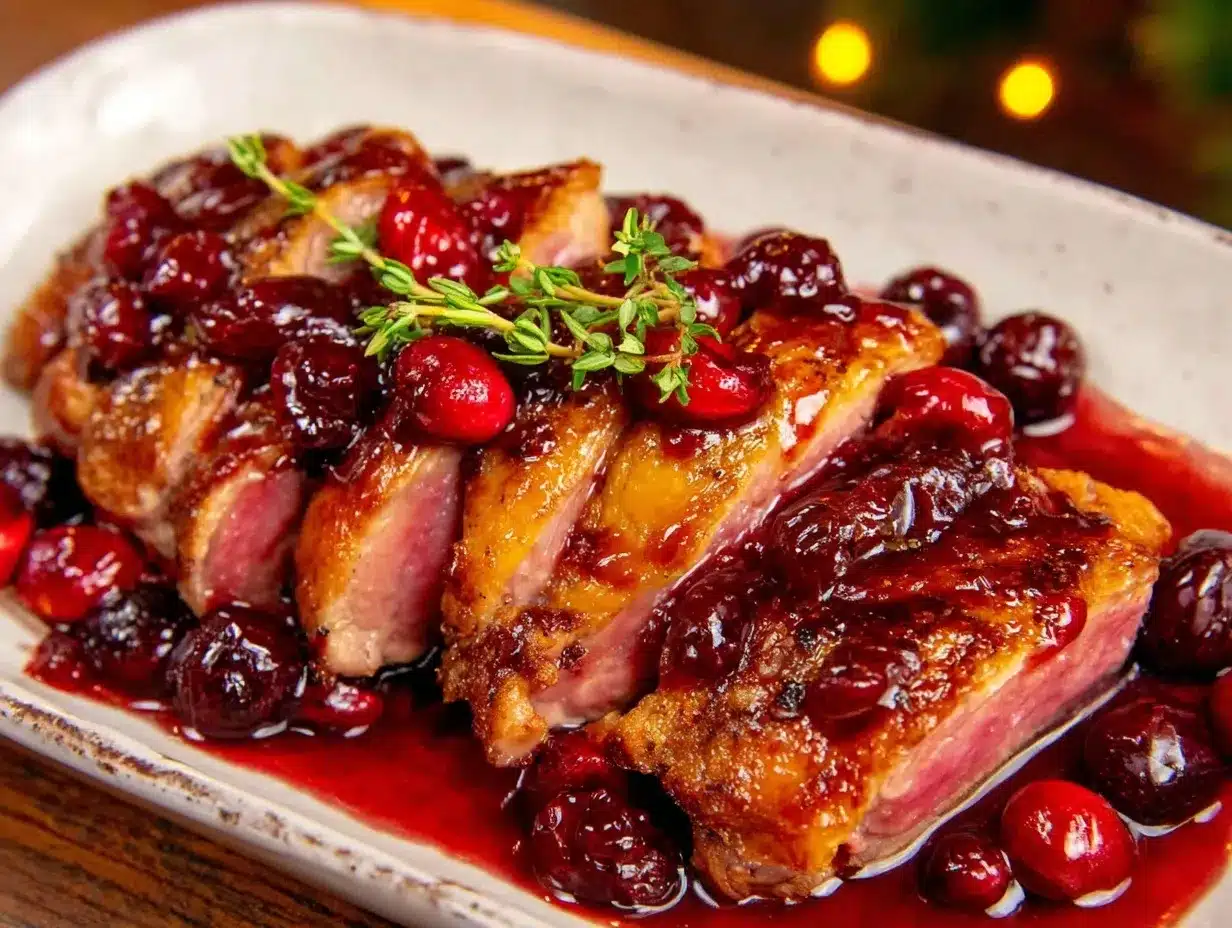
- Unbelievably Delicious: The crispy skin, tender meat, and sweet-tart cherry port reduction create a flavor combo that’s honestly next level.
What sets this recipe apart is the cherry port reduction—a sauce that’s rich but not overpowering, with just the right amount of acidity to cut through the duck’s natural fattiness. I learned to make it after a happy accident when I forgot the balsamic vinegar and tossed in port wine instead. The result? A silky, glossy sauce that sings with every bite. If you’re looking to make duck breast that’s both impressive and manageable, this is your go-to.
What Ingredients You Will Need
This recipe uses straightforward, wholesome ingredients to deliver bold flavors and a satisfying texture without fuss. Most of these are pantry staples, and the fresh cherries (or frozen, in a pinch) add that seasonal touch.
- Duck Breasts: 2 skin-on duck breasts (about 6-7 oz / 170-200 g each), trimmed of excess fat but leaving the skin intact (this is key for crispy skin).
- Salt & Pepper: For seasoning the duck before cooking.
- Fresh Cherries: 1 cup, pitted (you can use frozen if fresh aren’t available; just thaw first).
- Port Wine: 1/2 cup (120 ml) – I prefer a ruby port for its fruity notes; Taylor Fladgate is a brand I often reach for.
- Shallots: 1 small, finely chopped (adds sweetness and depth to the sauce).
- Garlic: 1 clove, minced.
- Butter: 2 tablespoons (unsalted, softened; for finishing the sauce).
- Olive Oil: 1 tablespoon, for searing.
- Fresh Thyme: A few sprigs (optional, but adds a lovely herbal note).
- Honey: 1 teaspoon, to balance the tartness of cherries.
If you want to swap things up, almond flour can be used for a light crust on the duck if you prefer a little texture variation. For dairy-free options, swap butter with a plant-based alternative. And don’t worry if you can’t find fresh cherries; frozen works just fine and is a great option off-season.
Equipment Needed
- Heavy Skillet or Cast Iron Pan: Essential for even heat distribution to get that coveted crispy skin. I’ve tried non-stick pans, but cast iron gives the best sear.
- Tongs: For turning the duck breasts gently without piercing the meat.
- Sharp Knife: To score the skin carefully and slice the cooked duck.
- Small Saucepan: For preparing the cherry port reduction separately.
- Wooden Spoon or Silicone Spatula: To stir the sauce without scratching your pans.
- Meat Thermometer (Optional): Helpful to check doneness; aim for about 135°F (57°C) for medium-rare.
If you’re on a budget, a good-quality heavy skillet can be found in most stores for a reasonable price. Make sure to season your cast iron regularly for best results, and avoid cooking acidic sauces in it for too long to protect the seasoning. Non-stick pans work in a pinch, but the skin crispiness might not be as satisfying.
Preparation Method
- Score the Duck Skin: Using a sharp knife, lightly score the skin in a crisscross pattern without cutting into the meat. This allows the fat to render out and the skin to crisp up beautifully. (About 5 minutes)
- Season the Duck: Generously season both sides of the duck breasts with salt and pepper. Let them sit at room temperature for 15 minutes—this helps with even cooking.
- Heat the Skillet: Place your cast iron or heavy skillet over medium heat and add 1 tablespoon olive oil. Let it get hot but not smoking. (2-3 minutes)
- Sear the Duck Breasts: Place the duck breasts skin-side down in the pan. You should hear a satisfying sizzle. Press down gently with a spatula for even contact. Cook for about 6-8 minutes, until the skin is golden and crisp. (Watch closely to avoid burning.)
- Flip and Finish Cooking: Turn the breasts over and cook the meat side for 3-4 minutes for medium-rare. Adjust time if you prefer more done. If using, toss in the thyme sprigs now. (Use a meat thermometer to check 135°F/57°C for medium-rare.)
- Rest the Duck: Remove the duck from the pan and place on a plate. Tent loosely with foil and let rest for 5-10 minutes to redistribute juices.
- Make the Cherry Port Reduction: While the duck rests, add chopped shallots and garlic to a small saucepan with a teaspoon of olive oil. Sauté over medium heat until translucent, about 2 minutes.
- Add Cherries and Port: Stir in the pitted cherries and pour in the port wine. Bring to a gentle simmer and cook until the liquid reduces by half and thickens slightly, about 10-12 minutes.
- Finish the Sauce: Whisk in the butter and honey, then season with salt and pepper to taste. The sauce should be glossy and coat the back of a spoon.
- Slice and Serve: Slice the duck breasts thinly against the grain, arrange on plates, and drizzle generously with the cherry port reduction.
Pro tip: If the skin isn’t crisp enough after searing, you can briefly place the duck under a broiler for a minute—but watch it closely! Also, resting the meat is crucial to avoid dry bites.
Cooking Tips & Techniques
Here’s something I learned the hard way: never rush the skin crisping step. It’s tempting to turn the duck early, but patience here pays off with that perfect crackle. Also, scoring the skin just right—not too deep—is essential to keep the meat juicy.
Avoid overcrowding the pan; cook the breasts in batches if needed. The rendered fat is gold—don’t throw it away! I usually save it for roasting potatoes the next day.
When making the cherry port reduction, keep the heat moderate so the sauce thickens without burning. If it gets too thick, add a splash of water or more port to loosen it up.
Multi-task by prepping the sauce while the duck rests. That way, everything comes together hot and fresh. And don’t forget to taste the sauce before serving—it might need a bit more honey or salt depending on the cherries’ tartness.
Variations & Adaptations
- Seasonal Fruit Swap: In fall, swap cherries for fresh cranberries or pomegranate seeds to give the sauce a tart twist.
- Gluten-Free Option: This recipe is naturally gluten-free, but double-check your port wine brand if you have sensitivities.
- Spice It Up: Add a pinch of cinnamon or star anise to the reduction for a warm, aromatic touch that pairs beautifully with duck.
- Dairy-Free Version: Swap butter with coconut oil or vegan butter to keep the sauce creamy without dairy.
- Personal Variation: One time, I tried adding a splash of balsamic vinegar to the reduction for extra tang—it gave a delightful depth that my family loved.
Serving & Storage Suggestions
This dish shines when served immediately while the skin is still crisp and the sauce warm. Serve sliced duck breast over creamy mashed potatoes or buttered noodles to soak up that luscious cherry port reduction. A simple side of sautéed green beans or roasted Brussels sprouts balances the richness nicely.
Store leftovers in an airtight container in the refrigerator for up to 2 days. The duck skin loses crispness, but reheating gently in a skillet restores some crunch. Warm the sauce separately and drizzle before serving.
Freezing cooked duck is possible but not ideal—the texture changes. If you must freeze, wrap tightly and use within a month. Thaw overnight in the fridge and reheat carefully.
Flavors tend to deepen overnight, so if you’re prepping ahead, you might find the sauce tastes even better the next day.
Nutritional Information & Benefits
Each serving of pan seared duck breast with cherry port reduction provides roughly 450 calories, with about 30 grams of protein and 35 grams of fat (mostly from the duck fat and butter). It’s a good source of iron and zinc, essential for energy and immunity.
Cherries bring antioxidants and vitamin C, which help reduce inflammation. Using fresh herbs like thyme adds subtle vitamins and minerals without extra calories.
This recipe fits well into low-carb and gluten-free diets. Just watch portions if you’re mindful of fat intake, but honestly, it’s a nourishing indulgence that pairs well with a balanced meal.
Conclusion
If you’ve been curious about cooking duck breast but hesitated because it seems complicated, this recipe is a great place to start. It breaks the process into manageable steps and delivers a stunning dish that feels special—without the stress. I love it because it’s a perfect balance of crispy skin, tender meat, and a sauce that brings everything together with a delicious punch.
Feel free to tweak the cherry port reduction or sides to your liking; cooking should always be about what makes you happy. And if you give it a try, I’d love to hear how it went—comments and sharing your own twists make this whole experience even better.
Here’s to many cozy meals and happy cooking in your kitchen!
FAQs
Can I use frozen duck breasts for this recipe?
Yes, but thaw them completely in the refrigerator before cooking. Pat dry thoroughly to ensure the skin crisps nicely.
What’s the best way to get crispy duck skin?
Score the skin carefully and cook skin-side down over medium heat without moving the duck too much. Patience is key—about 6-8 minutes usually does the trick.
Can I make the cherry port reduction ahead of time?
Absolutely! It keeps well in the fridge for 2-3 days. Warm gently before serving to restore its silky texture.
What should I serve with pan seared duck breast?
Mashed potatoes, roasted vegetables, or a simple green salad all complement the richness of the duck and the sweetness of the sauce.
How do I know when the duck is perfectly cooked?
A meat thermometer is handy—135°F (57°C) is medium-rare. The meat should be slightly pink and juicy. Resting helps redistribute juices for tender bites.
Pin This Recipe!

Perfect Pan Seared Duck Breast Recipe with Easy Cherry Port Reduction

A quick and elegant pan seared duck breast recipe paired with a luscious cherry port reduction sauce, perfect for special dinners and impressing guests.
- Prep Time: 20 minutes
- Cook Time: 15 minutes
- Total Time: 35 minutes
- Yield: 2 servings 1x
- Category: Main Course
- Cuisine: French
Ingredients
- 2 skin-on duck breasts (about 6–7 oz / 170–200 g each), trimmed of excess fat but skin intact
- Salt and pepper, to season
- 1 cup fresh cherries, pitted (frozen can be used, thawed)
- 1/2 cup port wine (120 ml)
- 1 small shallot, finely chopped
- 1 clove garlic, minced
- 2 tablespoons unsalted butter, softened
- 1 tablespoon olive oil
- A few sprigs fresh thyme (optional)
- 1 teaspoon honey
Instructions
- Score the duck skin in a crisscross pattern without cutting into the meat (about 5 minutes).
- Season both sides of the duck breasts generously with salt and pepper and let sit at room temperature for 15 minutes.
- Heat a cast iron or heavy skillet over medium heat and add 1 tablespoon olive oil; heat until hot but not smoking (2-3 minutes).
- Place duck breasts skin-side down in the pan and press gently for even contact. Cook for 6-8 minutes until skin is golden and crisp.
- Flip the duck breasts and cook the meat side for 3-4 minutes for medium-rare, adding thyme sprigs if using. Use a meat thermometer to check for 135°F (57°C).
- Remove duck from pan, tent loosely with foil, and rest for 5-10 minutes.
- In a small saucepan, sauté chopped shallots and garlic in 1 teaspoon olive oil over medium heat until translucent (about 2 minutes).
- Add pitted cherries and port wine, simmer gently until liquid reduces by half and thickens slightly (10-12 minutes).
- Whisk in butter and honey, season with salt and pepper to taste until sauce is glossy and coats the back of a spoon.
- Slice duck breasts thinly against the grain, arrange on plates, and drizzle generously with cherry port reduction.
Notes
If the skin isn’t crisp enough after searing, briefly place under a broiler for 1 minute, watching closely. Resting the duck is crucial to keep it juicy. Save rendered duck fat for roasting potatoes. Keep sauce heat moderate to avoid burning; add water or more port if too thick. Frozen cherries can be used if thawed. Butter can be swapped with plant-based alternatives for dairy-free version.
Nutrition
- Serving Size: 1 duck breast with s
- Calories: 450
- Sugar: 8
- Sodium: 350
- Fat: 35
- Saturated Fat: 12
- Carbohydrates: 10
- Fiber: 1
- Protein: 30
Keywords: duck breast, pan seared duck, cherry port reduction, easy duck recipe, elegant dinner, quick duck recipe, gluten-free duck