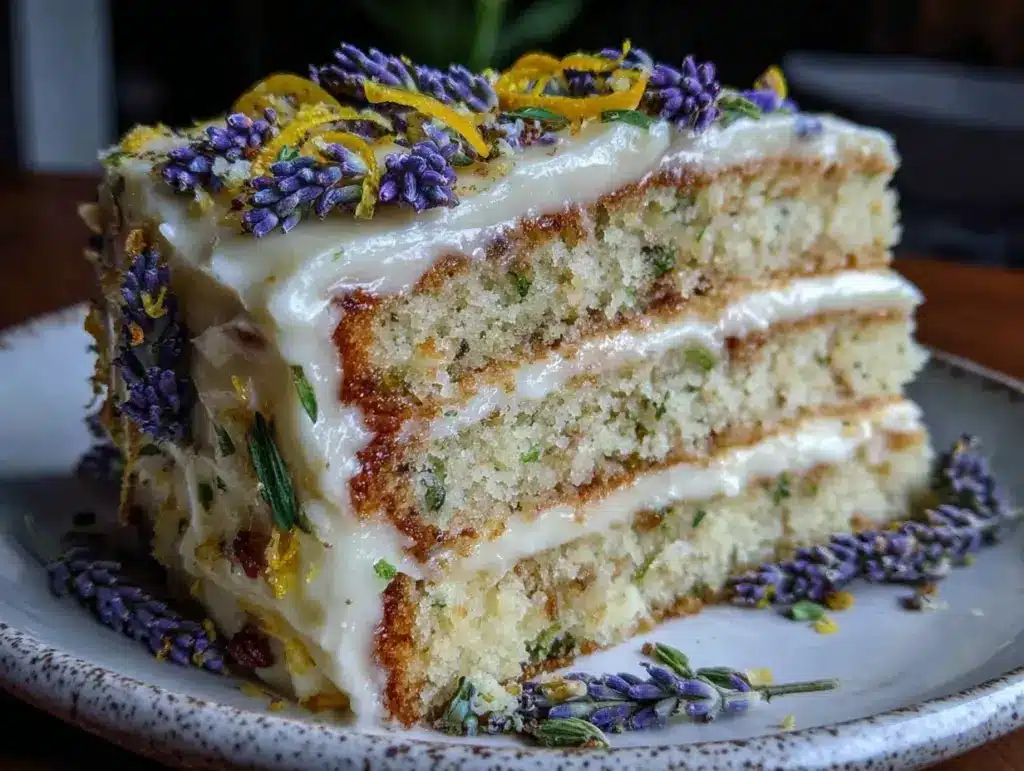
“You know that moment when a recipe sneaks up on you, and suddenly it becomes your signature?” Well, that’s exactly how I stumbled upon this lemon lavender layer cake. It wasn’t planned, honestly—I was at Claire’s garden party last spring, and as I walked into her sunlit kitchen, the scent of something floral and citrusy wrapped around me like a cozy blanket. I found her humming softly, frosting a cake that looked too perfect to be homemade.
Claire’s not one for fussing over fancy desserts, so I was intrigued. She told me it was a recipe she’d adapted from an old neighbor, Mrs. Jennings, who always had a way of turning simple ingredients into something magical. I had to know more, and after a bit of pestering (and a few generous slices), I got the lowdown on what she called her “perfect lemon lavender layer cake.”
It’s funny—my first attempt was a hot mess. I forgot to measure the lavender properly, and the cake came out a bit too fragrant, bordering on soapy. But with a few tweaks and a lot of patience, I finally nailed it. This cake has since become my go-to for elegant occasions, the one that makes guests pause and say, “Wow, what is that?” Maybe you’ve been there—searching for a dessert that’s both simple and impressive. Well, this one might just be your new best friend.
Why You’ll Love This Recipe
There’s something honestly satisfying about a cake that’s as pretty as it is delicious. Here’s why this lemon lavender layer cake stands out:
- Quick & Easy: You can whip this up in under 90 minutes, including baking and frosting — perfect for those last-minute dinner parties.
- Simple Ingredients: No fancy or hard-to-find items here. If you have lemons, dried culinary lavender, and basic baking staples, you’re set.
- Perfect for Elegant Occasions: Whether it’s a bridal shower, afternoon tea, or a springtime gathering, this cake fits right in with its delicate flavor and stunning layers.
- Crowd-Pleaser: Guests of all ages tend to love it, even those who claim they’re “not into floral flavors.”
- Unbelievably Delicious: The balance between tart lemon and subtle lavender is just right — not too strong, but enough to make every bite interesting.
What really sets this recipe apart is its perfectly balanced lavender infusion. I learned that grinding dried lavender buds finely and mixing them into the batter (instead of steeping) gives a smooth, gentle aroma without overpowering the lemon. Plus, the homemade lemon syrup brushed between layers adds moistness and a glossy touch that makes this cake feel downright fancy without extra work.
Honestly, this cake is the kind that makes you close your eyes and savor the moment. It’s comfort food with a bit of a floral twist, and it’s become my secret weapon for impressing guests without breaking a sweat.
What Ingredients You Will Need
This perfect lemon lavender layer cake uses simple, wholesome ingredients to deliver a bold flavor and satisfying texture without the fuss. Most of these are pantry staples, and if you don’t have culinary lavender, I’ll share substitution tips below.
- For the Cake Batter:
- 2 ½ cups (300g) all-purpose flour (I prefer King Arthur for consistent texture)
- 2 ½ tsp baking powder
- ½ tsp baking soda
- ¼ tsp salt
- 1 tbsp dried culinary lavender, finely ground (use a coffee grinder or mortar and pestle)
- 1 cup (227g) unsalted butter, softened
- 1 ¾ cups (350g) granulated sugar
- 4 large eggs, room temperature
- 1 tsp pure vanilla extract
- 1 cup (240ml) buttermilk, room temperature (or use whole milk plus 1 tbsp lemon juice as a substitute)
- Zest of 2 large lemons (preferably organic)
- For the Lemon Syrup:
- ½ cup (120ml) fresh lemon juice
- ½ cup (100g) granulated sugar
- For the Lavender Buttercream Frosting:
- 1 cup (227g) unsalted butter, softened
- 4 cups (480g) powdered sugar, sifted
- 1 tbsp dried culinary lavender, finely ground
- 2-3 tbsp heavy cream or whole milk
- 1 tsp pure vanilla extract
- 1-2 tbsp fresh lemon juice (adjust to taste)
Ingredient tips: Look for culinary lavender specifically—kitchen-grade lavender is milder and less bitter. If you can only find lavender buds, grind them finely to avoid a gritty texture.
Substitution note: For a dairy-free version, swap butter with vegan margarine and use almond or oat milk in place of buttermilk.
Equipment Needed
- Two 8-inch (20 cm) round cake pans (non-stick or lined with parchment paper)
- Electric mixer (stand or hand) for creaming butter and sugar
- Mixing bowls (medium and large)
- Measuring cups and spoons (preferably kitchen scale for accuracy)
- Fine mesh sieve or sifter for powdered sugar
- Spatula for folding batter
- Cooling racks (to cool cakes evenly)
- Small saucepan for making lemon syrup
- Offset spatula or butter knife for frosting application
If you don’t have an electric mixer, a sturdy whisk and some elbow grease will do, but the texture might not be as light. For the lavender, using a dedicated coffee grinder works wonders and keeps flavors clean—plus, it’s easy to clean afterward with a bit of rice ground through it.
Preparation Method
- Prep Your Pans and Ingredients (10 minutes): Preheat your oven to 350°F (175°C). Grease and flour two 8-inch pans or line them with parchment paper. Measure out all ingredients to have them ready.
- Mix Dry Ingredients (5 minutes): In a medium bowl, whisk together the flour, baking powder, baking soda, salt, and finely ground lavender. Set aside.
- Cream Butter and Sugar (7-8 minutes): Using an electric mixer, beat the softened butter and sugar on medium-high speed until fluffy and pale (this traps air for a lighter cake). This step is key—don’t rush it!
- Add Eggs One at a Time (3 minutes): Beat in eggs individually, making sure each is fully incorporated before adding the next. Then add vanilla extract and lemon zest; mix until combined.
- Alternate Adding Dry Ingredients and Buttermilk (5-6 minutes): Reduce mixer speed to low. Add the dry ingredients in three additions, alternating with the buttermilk in two additions. Begin and end with dry ingredients. Mix just until combined—overmixing can make the cake dense.
- Pour Batter into Pans (3 minutes): Divide batter evenly between the two pans. Smooth the tops with a spatula. Tap the pans gently on the counter to release air bubbles.
- Bake (25-30 minutes): Bake for about 27-30 minutes or until a toothpick inserted in the center comes out clean. Rotate pans halfway through baking for even browning. The cake layers should spring back lightly when touched.
- Cool Cakes (30 minutes): Let cakes cool in pans for 10 minutes, then run a knife around edges and invert onto cooling racks. Allow to cool completely before frosting.
- Make Lemon Syrup (10 minutes): While cakes bake, combine lemon juice and sugar in a small saucepan. Heat gently, stirring until sugar dissolves. Set aside to cool.
- Prepare Lavender Buttercream (10 minutes): Beat softened butter on medium speed until creamy. Gradually add sifted powdered sugar, alternating with cream, vanilla, lemon juice, and ground lavender. Beat until light and fluffy. Adjust consistency with more cream or sugar as needed.
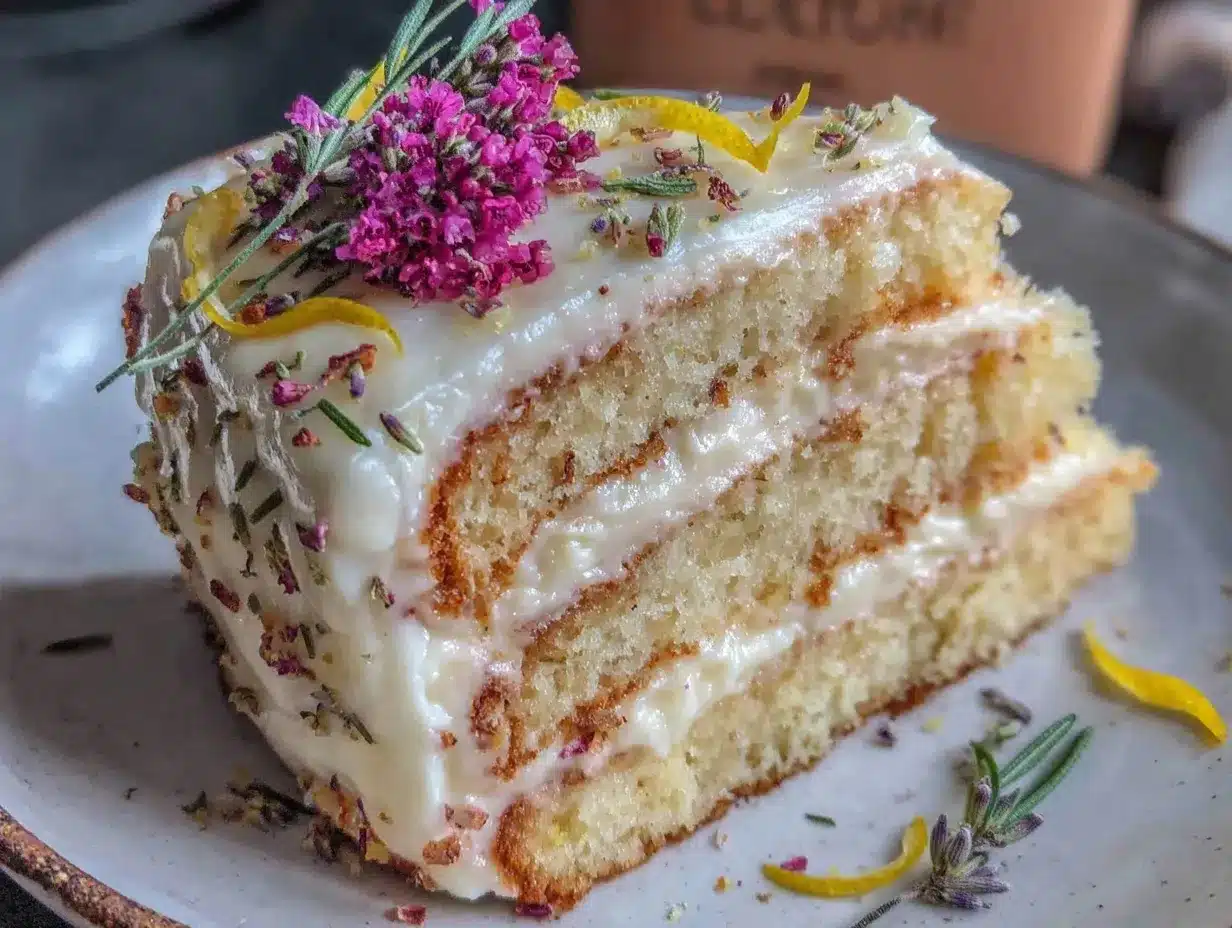
- Assemble Cake (15 minutes): Brush cooled cake layers with lemon syrup to add moisture. Place one layer on your serving plate, spread a generous layer of frosting, then top with the second layer. Frost the top and sides smoothly. Chill for 30 minutes to set.
Pro tip: If your frosting seems too soft, pop it in the fridge for 10 minutes, then whip briefly before applying. Also, don’t skip the lemon syrup—it’s the secret to a moist, tender crumb that keeps this cake special.
Cooking Tips & Techniques
Let me share some lessons I picked up while making this cake (and sometimes messing it up):
- Grinding Lavender: Too much lavender or coarse bits can make the cake taste bitter or soapy. Finely grinding the buds and measuring carefully is crucial. I recommend starting with 1 tablespoon and adjusting next time if you want more aroma.
- Room Temperature Ingredients: Butter, eggs, and buttermilk at room temp blend better, yielding a smoother batter and lighter crumb. Cold ingredients can lead to uneven texture.
- Don’t Overmix: Once you add flour, mix just until combined to avoid dense cakes. A few small lumps are okay.
- Even Baking: Rotate pans halfway through baking for even color and rise. Older ovens can have hot spots—keep an eye on it!
- Frosting Consistency: The buttercream should be soft but not runny. If it gets too warm, chill it briefly and whip again before spreading.
- Timing: If you’re short on time, prepare the frosting while the cakes bake and cool. Multitasking keeps things moving smoothly.
Honestly, the first time I made this, I forgot the vanilla extract. The cake was still tasty, but it lacked the depth I love. So don’t skip the vanilla—it’s the quiet hero here.
Variations & Adaptations
- Gluten-Free Version: Swap all-purpose flour for a 1:1 gluten-free baking blend. Make sure it contains xanthan gum for structure.
- Herbal Twist: Replace lavender with dried rosemary or thyme for a savory-sweet flavor that’s unexpected but delightful.
- Vegan Adaptation: Use flax eggs (1 tbsp flaxseed meal + 3 tbsp water per egg), vegan butter, and plant-based milk with lemon juice instead of buttermilk.
- Seasonal Flavors: In summer, add fresh blueberries between layers for a burst of color and tang.
- Personal Favorite: I’ve tried adding a thin layer of lemon curd under the frosting for an extra zing. It’s a bit more work but totally worth it.
Serving & Storage Suggestions
This lemon lavender layer cake is best served at room temperature to let its flavors shine. If you’re making it ahead (which you totally can), store it covered in the refrigerator for up to 3 days.
Before serving, bring it out 30 minutes early so the frosting softens and the lemon aroma wakes up. Pair it with a cup of Earl Grey tea or a light sparkling wine for a truly elegant touch.
To freeze, wrap the cake tightly in plastic wrap, then foil, and freeze for up to 2 months. Thaw overnight in the fridge, then let it sit at room temperature before serving.
One neat thing I’ve noticed is that the cake’s flavor actually deepens a bit after a day—the lavender and lemon become more harmonious, so it’s great made a day ahead if you can manage the wait!
Nutritional Information & Benefits
Each slice of this lemon lavender layer cake (assuming 12 servings) contains approximately:
| Calories | 350 kcal |
|---|---|
| Fat | 18g |
| Carbohydrates | 45g |
| Protein | 4g |
| Sugar | 30g |
Key ingredients offer some perks too: lemons are rich in vitamin C and antioxidants, while lavender is known for its calming properties and potential digestive benefits. Of course, this cake is a treat, but it can be enjoyed as part of a balanced diet.
For those with dietary restrictions, the recipe is easily adaptable to gluten-free and vegan needs, making it accessible to many.
Conclusion
This perfect lemon lavender layer cake is a recipe that feels both special and approachable—ideal for anyone wanting to impress without stress. It’s the kind of dessert that makes you smile with every bite, whether it’s a casual weekend treat or the star of an elegant occasion.
Don’t hesitate to tweak the lavender amount or add your own twist with fruit or herbs. Cooking is personal, after all! I still remember that first, slightly messy attempt and how far this cake has come since.
If you try it, I’d love to hear how it went for you—drop a comment or share your own spin. Baking is better when it’s shared, and who knows? You might just make this your new signature dessert too.
Happy baking, and here’s to many joyful, lemony, lavender-filled moments ahead!
FAQs
Can I use fresh lavender instead of dried?
Fresh lavender is more potent and contains more moisture, which can affect texture. If you use fresh, reduce the amount by half and chop it finely. Dried culinary lavender is preferred for this recipe.
How do I grind lavender if I don’t have a coffee grinder?
You can crush dried lavender buds using a mortar and pestle or pulse briefly in a food processor. Just be careful not to overdo it to avoid powdery bits.
What if I don’t have buttermilk?
Mix 1 cup of whole milk with 1 tablespoon of lemon juice or white vinegar. Let it sit for 5 minutes before using. This homemade buttermilk substitute works great here.
Can I make this cake a day ahead?
Absolutely! In fact, the flavors often improve after resting overnight. Store it covered in the fridge and bring to room temperature before serving.
How do I prevent the cake from drying out?
Brushing the layers with lemon syrup is key to keeping the cake moist. Also, avoid overbaking by checking with a toothpick a few minutes before the suggested time.
Pin This Recipe!
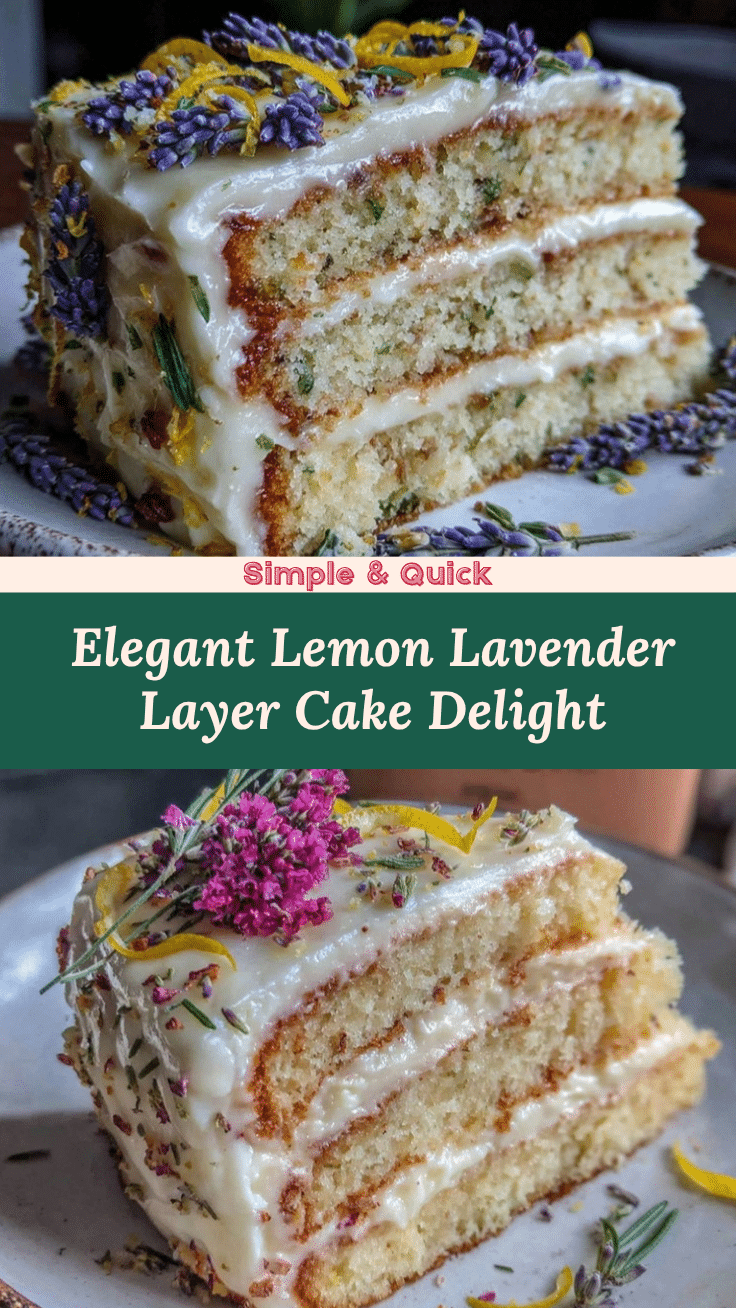
Perfect Lemon Lavender Layer Cake

A delicate and elegant lemon lavender layer cake with a perfectly balanced floral and citrus flavor, ideal for special occasions and easy to make at home.
- Prep Time: 30 minutes
- Cook Time: 30 minutes
- Total Time: 90 minutes
- Yield: 12 servings 1x
- Category: Dessert
- Cuisine: American
Ingredients
- 2 ½ cups (300g) all-purpose flour
- 2 ½ tsp baking powder
- ½ tsp baking soda
- ¼ tsp salt
- 1 tbsp dried culinary lavender, finely ground
- 1 cup (227g) unsalted butter, softened
- 1 ¾ cups (350g) granulated sugar
- 4 large eggs, room temperature
- 1 tsp pure vanilla extract
- 1 cup (240ml) buttermilk, room temperature (or whole milk plus 1 tbsp lemon juice)
- Zest of 2 large lemons
- ½ cup (120ml) fresh lemon juice (for lemon syrup)
- ½ cup (100g) granulated sugar (for lemon syrup)
- 1 cup (227g) unsalted butter, softened (for frosting)
- 4 cups (480g) powdered sugar, sifted
- 1 tbsp dried culinary lavender, finely ground (for frosting)
- 2–3 tbsp heavy cream or whole milk
- 1 tsp pure vanilla extract (for frosting)
- 1–2 tbsp fresh lemon juice (adjust to taste, for frosting)
Instructions
- Preheat oven to 350°F (175°C). Grease and flour two 8-inch pans or line with parchment paper. Measure all ingredients.
- In a medium bowl, whisk together flour, baking powder, baking soda, salt, and finely ground lavender. Set aside.
- Using an electric mixer, beat softened butter and sugar on medium-high speed until fluffy and pale, about 7-8 minutes.
- Add eggs one at a time, beating well after each addition. Mix in vanilla extract and lemon zest.
- Reduce mixer speed to low. Add dry ingredients in three additions, alternating with buttermilk in two additions, beginning and ending with dry ingredients. Mix just until combined.
- Divide batter evenly between pans. Smooth tops and tap pans gently to release air bubbles.
- Bake for 27-30 minutes or until a toothpick inserted in the center comes out clean. Rotate pans halfway through baking.
- Cool cakes in pans for 10 minutes, then invert onto cooling racks. Cool completely before frosting.
- While cakes bake, combine lemon juice and sugar in a small saucepan. Heat gently, stirring until sugar dissolves. Cool and set aside.
- Beat softened butter on medium speed until creamy. Gradually add sifted powdered sugar, alternating with cream, vanilla, lemon juice, and ground lavender. Beat until light and fluffy. Adjust consistency as needed.
- Brush cooled cake layers with lemon syrup. Place one layer on serving plate, spread frosting generously, top with second layer, and frost top and sides smoothly. Chill for 30 minutes to set.
Notes
Grind dried lavender finely to avoid bitter or soapy taste. Use room temperature ingredients for best texture. Do not overmix batter to keep cake light. Brush layers with lemon syrup to keep cake moist. Chill frosting if too soft before applying.
Nutrition
- Serving Size: 1 slice (1/12 of cak
- Calories: 350
- Sugar: 30
- Fat: 18
- Carbohydrates: 45
- Protein: 4
Keywords: lemon lavender cake, lemon cake, lavender cake, layer cake, floral dessert, easy cake recipe, elegant dessert, homemade cake