“The power went out halfway through my Saturday morning baking, and honestly, I wasn’t sure this fresh lemon lavender brunch cake was going to survive the chaos. But, you know, sometimes those unexpected moments lead to the best results. I had just started zesting lemons when the lights flickered and then went dark—thankfully, my trusty old stand mixer runs on good old elbow grease! That morning, I was trying to whip up something light and fragrant for a casual brunch with friends, something that felt like spring in every bite.
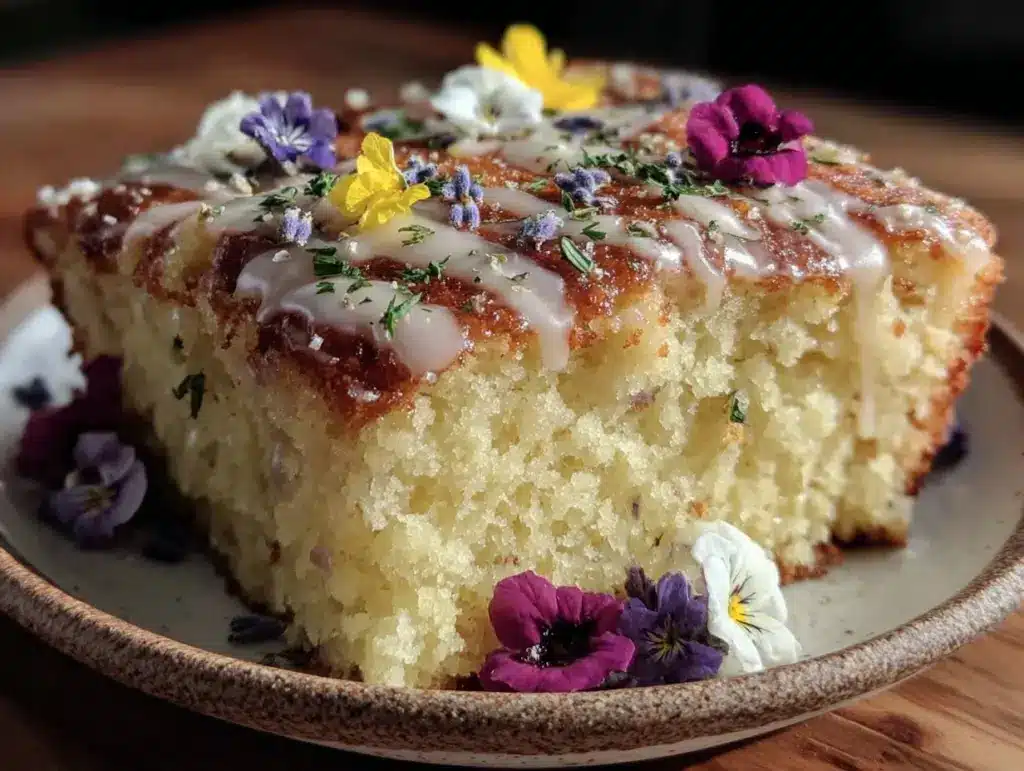
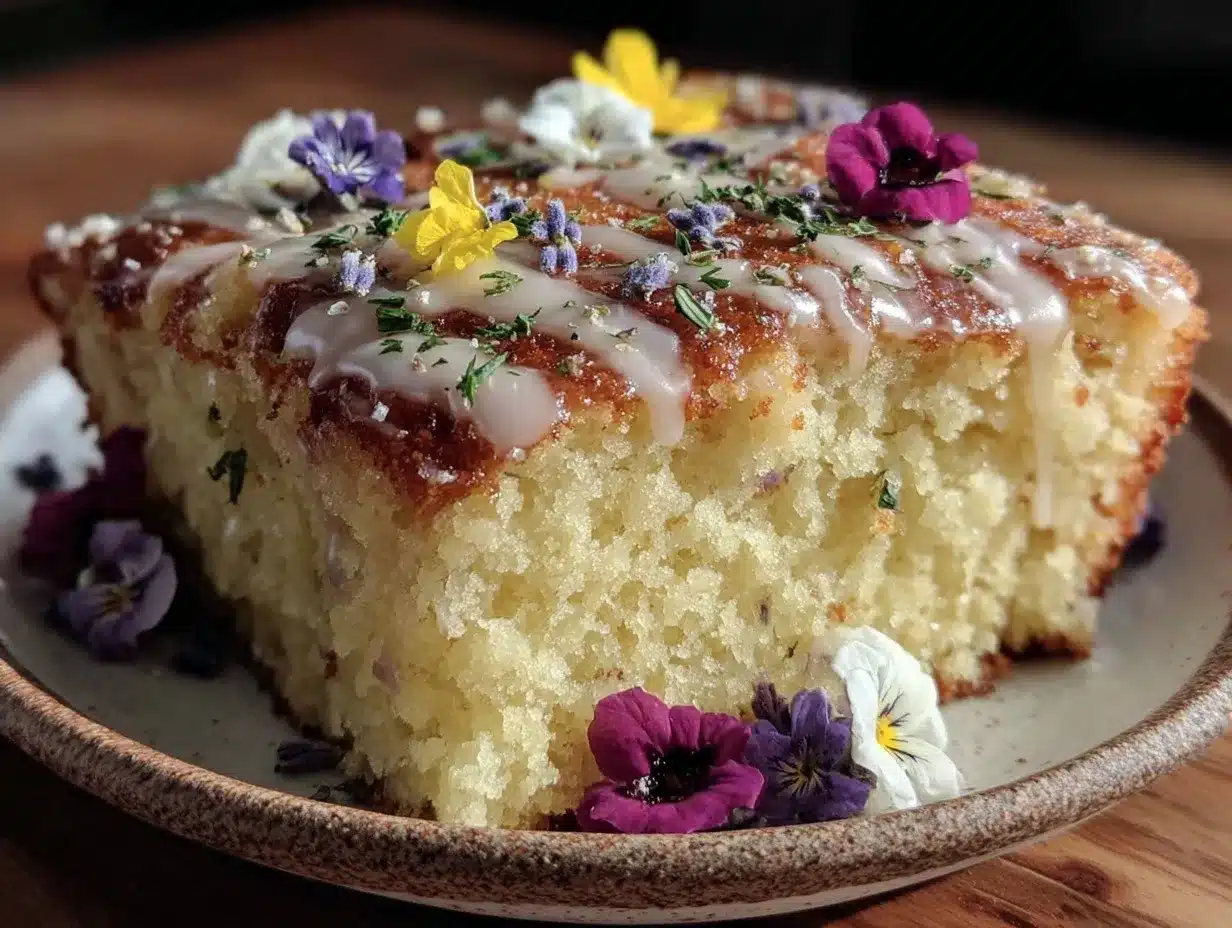
I borrowed the idea of adding lavender from a tiny café I stumbled upon last summer. They served this delicate cake with edible flowers sprinkled on top, and I thought, ‘Why not try making my own version?’ I didn’t have all the fancy ingredients, and at one point, I realized I forgot the sugar. Classic me. But somehow, with a bit of improvisation, the cake turned out to be a refreshing hit. The lemon’s brightness and the subtle floral notes of lavender paired so well, and those edible flowers on top? They made it look like a little garden on a plate.
Maybe you’ve been there—planning a perfect dish only to have the universe throw in some surprises. That’s part of the charm. This fresh lemon lavender brunch cake stuck with me because it’s not only beautiful but also simple and forgiving. Every time I make it, it feels like a little celebration, even on the busiest mornings or the slowest Sundays.
Why You’ll Love This Recipe
Honestly, this fresh lemon lavender brunch cake is one of those recipes that feels fancy but comes together without a fuss. I’ve tested it multiple times—sometimes in a rush, sometimes with guests—and it always delivers.
- Quick & Easy: Ready in under an hour, including baking time. Perfect if you want something fresh and fancy without spending all morning in the kitchen.
- Simple Ingredients: Most of what you need is probably already in your pantry or fridge. No exotic items unless you want to get adventurous with edible flowers!
- Perfect for Brunch: Whether it’s a weekend gathering, Mother’s Day, or a casual get-together, this cake fits right in.
- Crowd-Pleaser: People keep asking for seconds. I mean, who doesn’t like a moist, lemony cake with a hint of lavender?
- Unbelievably Delicious: The combo of zesty lemon and gentle lavender creates a unique flavor that’s both refreshing and comforting.
What sets this recipe apart? The trick is in the balance—the lavender is subtle, not overpowering, and the lemon zest and juice add that lively punch. Plus, I blend the batter gently to keep it tender and use fresh edible flowers for that wow factor on top. It’s not just another cake; it’s the kind that makes you pause and savor.
It’s the kind of recipe that turns an ordinary morning into something special. Trust me, once you’ve had a slice, you’ll find yourself reaching for it whenever you need a little pick-me-up or a way to impress guests without breaking a sweat.
What Ingredients You Will Need
This recipe uses simple, wholesome ingredients to deliver bold flavor and a satisfying texture without the fuss. Most are pantry staples, and a few fresh additions bring it all together beautifully.
- For the Cake Batter:
- All-purpose flour – 2 cups (240g), sifted for a light texture
- Baking powder – 2 teaspoons, to help it rise nicely
- Salt – 1/2 teaspoon, just enough to balance flavors
- Unsalted butter – 1/2 cup (115g), softened (I like using Land O’Lakes for creaminess)
- Granulated sugar – 1 cup (200g), for sweetness
- Large eggs – 3, at room temperature (helps the batter come together smoothly)
- Fresh lemon zest – from 2 medium lemons (adds bright, citrusy aroma)
- Fresh lemon juice – 1/4 cup (60ml), freshly squeezed for best flavor
- Milk – 1/2 cup (120ml), whole or 2% (can swap with almond or oat milk for dairy-free)
- Pure culinary lavender buds – 1 tablespoon, dried (make sure they’re food-grade!)
- For Decoration:
- Edible flowers – a mix like pansies, violets, or calendula (adds a fresh, colorful touch)
- Powdered sugar – for a light dusting on top (optional, but it looks pretty!)
When picking lavender, I recommend brands like Simply Organic or local dried lavender from a trusted source, especially since you’re eating it. If fresh lavender is available, use about 2 teaspoons finely chopped for a gentler flavor.
If you don’t have edible flowers handy, don’t stress—the cake tastes just as lovely on its own or with a simple lemon glaze.
Equipment Needed
- 8-inch (20 cm) round cake pan or a loaf pan – I prefer round for a prettier presentation
- Mixing bowls – at least two, one for dry ingredients and one for wet
- Electric mixer or stand mixer – handy but you can whisk by hand if you’re feeling strong!
- Zester or microplane – for the lemon zest, crucial for that fresh citrus punch
- Measuring cups and spoons – precise measurements make a big difference
- Rubber spatula – great for folding in ingredients gently
- Cooling rack – to let the cake cool evenly and avoid sogginess
If you don’t have a stand mixer, no worries—just mix the butter and sugar until creamy with a hand mixer or vigorous whisking. For budget-friendly options, a simple whisk and some elbow grease do the trick!
Make sure your cake pan is greased well or lined with parchment paper—this little step saves you from frustrating sticking later on.
Preparation Method
- Preheat the oven to 350°F (175°C). Grease your 8-inch cake pan with butter and lightly dust with flour or line it with parchment paper for easy removal. (This takes about 10 minutes.)
- Mix dry ingredients: In a medium bowl, whisk together 2 cups (240g) of sifted all-purpose flour, 2 teaspoons baking powder, and ½ teaspoon salt. Set aside. The sifting helps keep the cake light and airy.
- Prepare the lavender: If using dried lavender, lightly crush the buds with your fingers or a mortar and pestle to release the aroma. If fresh, finely chop about 2 teaspoons. Set aside.
- Cream butter and sugar: In a large bowl, use a mixer to beat ½ cup (115g) softened unsalted butter with 1 cup (200g) granulated sugar until pale and fluffy—this usually takes 3-4 minutes. This step is key for a tender crumb.
- Add eggs and lemon zest: Beat in 3 large eggs, one at a time, making sure each is fully incorporated before adding the next. Stir in the zest from 2 lemons and the prepared lavender buds gently so they don’t clump.
- Alternate adding dry ingredients and milk: With the mixer on low speed, add the dry flour mixture in three parts, alternating with ½ cup (120ml) milk and ¼ cup (60ml) fresh lemon juice, starting and ending with the dry ingredients. Mix just until combined—overmixing can make the cake tough.
- Pour batter into the pan: Scrape the batter into your prepared cake pan and smooth the top with a spatula. Give the pan a gentle tap on the counter to release any air bubbles.
- Bake: Place the cake in the preheated oven and bake for 40-45 minutes. Check doneness by inserting a toothpick in the center—it should come out clean or with a few moist crumbs. If it browns too quickly, tent loosely with foil halfway through baking.
- Cool the cake: Let the cake cool in the pan for about 15 minutes, then carefully invert it onto a cooling rack to cool completely. This step prevents sogginess and keeps the texture perfect.
- Decorate: Once cool, dust the top with powdered sugar and arrange edible flowers as you like. The flowers add a delicate touch and make it extra brunch-worthy.
I once forgot to zest the lemons before adding the juice—don’t make that mistake! The zest is where the flavor really shines. Also, keep an eye on the lavender amount; too much can make the cake taste soapy, and nobody wants that.
Cooking Tips & Techniques
One thing I learned early on is that the key to this cake’s tender crumb is gentle mixing. I mean, you want to combine ingredients without beating out all the air. Overworking the batter leads to a dense, rubbery texture, which is a total bummer.
When zesting lemons, avoid the white pith underneath—it’s bitter and can ruin the delicate balance. A microplane works best for fine zest that blends evenly into your batter.
Using fresh lemon juice is non-negotiable here. Bottled juice just doesn’t pack the same punch or aroma. Plus, freshly squeezed juice brightens the whole cake.
For the lavender, only food-grade buds should touch your cake. I’ve made the mistake of grabbing decorative lavender from the garden once (yikes!). Also, crushing the buds lightly before mixing helps release the subtle floral notes without overwhelming.
If you want a glossier surface or a hint of extra lemon flavor, try brushing the top of the warm cake with a simple lemon syrup (equal parts lemon juice and sugar, heated until dissolved). It’s a trick I picked up from a pastry chef friend and it works wonders.
Time management tip: while the cake bakes, clean up and prepare your edible flowers so you’re ready to decorate as soon as it cools. Multitasking like this saves precious brunch prep time.
Variations & Adaptations
- Gluten-Free Option: Swap all-purpose flour with a 1:1 gluten-free baking flour blend. I found Bob’s Red Mill works well. The texture changes slightly but remains delicious.
- Dairy-Free Version: Use coconut oil or vegan butter instead of butter. Replace milk with almond, soy, or oat milk. The lavender and lemon still shine through beautifully.
- Flavor Twist: Add a teaspoon of vanilla extract or a handful of fresh blueberries to the batter. Blueberries add a burst of sweetness that pairs nicely with lemon and lavender.
- Baking Method: This cake can be baked as muffins for portable treats or in a bundt pan for a more dramatic presentation. Just adjust baking time accordingly (muffins bake in about 18-20 minutes).
- Personal Variation: I once tried folding in some finely chopped candied ginger. It gave the cake a surprising spicy kick that some guests loved and others found unexpected—so tread carefully!
Serving & Storage Suggestions
This fresh lemon lavender brunch cake is best served at room temperature or slightly warm. The subtle floral notes come alive when the cake isn’t too cold. I usually slice it and serve with a cup of Earl Grey tea or freshly brewed coffee—comfort in every bite.
For a brunch spread, pair it with fresh fruit, yogurt, or a light salad to balance the sweetness. It’s also lovely alongside a dollop of whipped cream or crème fraîche.
To store, wrap the cake tightly in plastic wrap or keep it in an airtight container. It stays fresh at room temperature for up to two days. If you want it longer, refrigerate for up to five days, but bring it back to room temp before serving to enjoy the full flavor.
Freezing is an option too. Wrap individual slices in plastic wrap and place in a freezer bag for up to 3 months. Thaw overnight in the fridge and warm gently before serving.
Flavors tend to meld and deepen slightly after a day, so sometimes I make this cake a day ahead—if I can resist eating it right away!
Nutritional Information & Benefits
Per slice (assuming 10 slices per cake), this lemon lavender brunch cake contains approximately:
| Calories | 280 |
|---|---|
| Fat | 13g |
| Carbohydrates | 36g |
| Protein | 4g |
| Sugar | 20g |
Lemon adds vitamin C and antioxidants, supporting immunity and skin health. Lavender, while used in small amounts, is known for calming effects and digestive support. Using real butter and eggs provides good fats and protein, making this more than just an empty treat.
This recipe is naturally gluten-containing but easy to adapt for gluten-free or dairy-free diets. Edible flowers not only beautify but are often rich in vitamins and antioxidants too.
From a wellness perspective, I appreciate how this cake strikes a balance between indulgence and nourishment, making it a thoughtful treat rather than a sugar bomb.
Conclusion
This fresh lemon lavender brunch cake with edible flowers is more than just a pretty face on your brunch table. It’s a recipe that’s forgiving, flavorsome, and a little bit special—perfect for those times you want to treat yourself or impress without the stress.
Feel free to tweak the lavender intensity or swap in your favorite edible flowers to make it yours. I love how this cake brings a little sunshine and calm to busy mornings, and I hope it does the same for you.
If you try it out, I’d love to hear your thoughts or any creative spins you put on it. Share your experiences or questions in the comments below, and don’t forget to pass this recipe along to friends who appreciate simple but stunning desserts.
Happy baking and brunching!
FAQs
Can I use fresh lavender instead of dried?
Yes! Use about 2 teaspoons of finely chopped fresh lavender buds. They’re milder than dried, so adjust to taste.
Are the edible flowers necessary?
Not at all. They add a beautiful touch and subtle flavor, but the cake tastes wonderful without them or with a simple dusting of powdered sugar.
How should I store leftover cake?
Wrap tightly and keep at room temperature for up to 2 days, or refrigerate for up to 5 days. Bring to room temp before serving for best flavor.
Can I make this cake vegan?
With some substitutions like vegan butter, plant-based milk, and an egg replacer, you can adapt the recipe. However, texture and flavor may vary slightly.
What’s the best way to zest lemons?
A microplane grater works best for fine zest that blends evenly. Avoid the white pith beneath the skin, as it’s bitter.
Pin This Recipe!
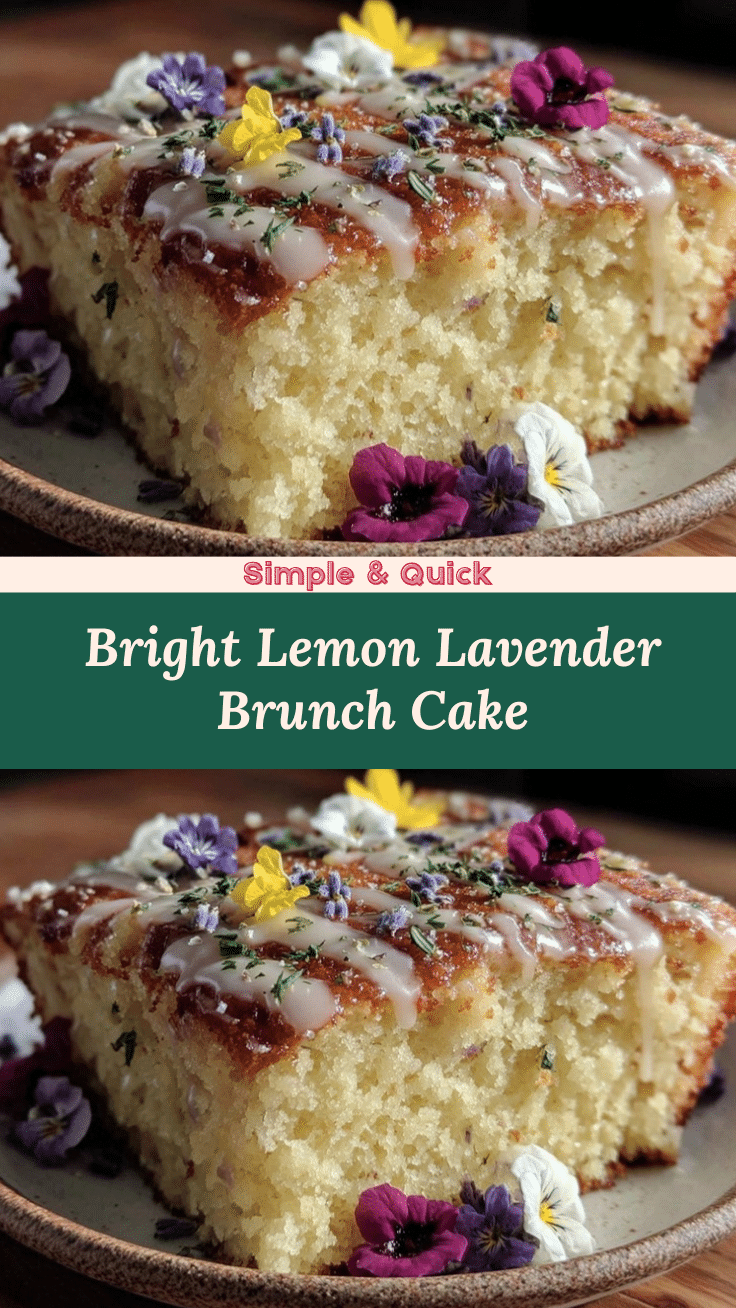
Fresh Lemon Lavender Brunch Cake

A light and fragrant lemon lavender cake perfect for brunch, featuring subtle floral notes and fresh edible flowers for decoration.
- Prep Time: 15 minutes
- Cook Time: 40-45 minutes
- Total Time: 55-60 minutes
- Yield: 10 servings 1x
- Category: Dessert
- Cuisine: American
Ingredients
- 2 cups (240g) all-purpose flour, sifted
- 2 teaspoons baking powder
- 1/2 teaspoon salt
- 1/2 cup (115g) unsalted butter, softened
- 1 cup (200g) granulated sugar
- 3 large eggs, at room temperature
- Zest from 2 medium lemons
- 1/4 cup (60ml) fresh lemon juice
- 1/2 cup (120ml) milk (whole or 2%; can substitute almond or oat milk for dairy-free)
- 1 tablespoon dried culinary lavender buds (food-grade)
- Edible flowers (pansies, violets, calendula) for decoration
- Powdered sugar for dusting (optional)
Instructions
- Preheat oven to 350°F (175°C). Grease an 8-inch round cake pan with butter and dust with flour or line with parchment paper.
- In a medium bowl, whisk together sifted flour, baking powder, and salt. Set aside.
- Lightly crush dried lavender buds or finely chop fresh lavender. Set aside.
- In a large bowl, beat softened butter and granulated sugar with a mixer until pale and fluffy, about 3-4 minutes.
- Beat in eggs one at a time, ensuring each is fully incorporated before adding the next. Stir in lemon zest and lavender gently.
- With mixer on low, alternately add dry ingredients in three parts with milk and lemon juice, starting and ending with dry ingredients. Mix just until combined.
- Pour batter into prepared pan and smooth the top. Tap pan gently to release air bubbles.
- Bake for 40-45 minutes, or until a toothpick inserted in the center comes out clean or with a few moist crumbs. Tent with foil if browning too quickly.
- Cool cake in pan for 15 minutes, then invert onto a cooling rack to cool completely.
- Dust with powdered sugar and arrange edible flowers on top before serving.
Notes
Use food-grade culinary lavender buds only. Avoid overmixing the batter to keep the cake tender. Fresh lemon juice and zest are essential for bright flavor. If desired, brush warm cake with lemon syrup for extra gloss and flavor. Edible flowers are optional but add a beautiful touch. For gluten-free, substitute with 1:1 gluten-free baking flour. For dairy-free, use vegan butter and plant-based milk.
Nutrition
- Serving Size: 1 slice (1/10th of c
- Calories: 280
- Sugar: 20
- Fat: 13
- Carbohydrates: 36
- Protein: 4
Keywords: lemon cake, lavender cake, brunch cake, edible flowers, lemon lavender dessert, easy cake recipe, spring cake