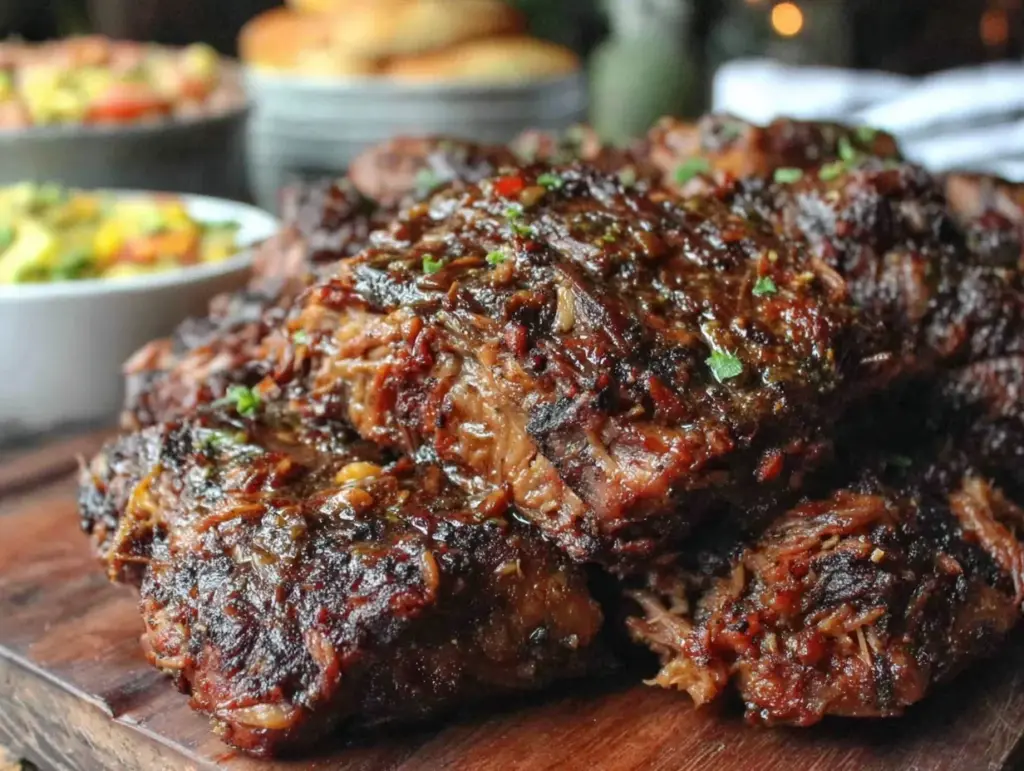
“You won’t believe this came from my tiny backyard smoker,” my neighbor Mike said one humid Saturday afternoon, passing me a plate piled high with smoked pulled pork shoulder. I was skeptical at first—he’s more of a grill-and-go guy, not the slow-and-steady smoker type. But there I was, sitting on his cracked porch step, savoring that tender, smoky meat with the most incredible crust, or as barbecue lovers call it, the bark. Honestly, I didn’t expect much, but that bite hit me like a flavor jackpot.
It was just after 4th of July weekend, and while most folks were busy with fireworks or family cookouts, Mike had been quietly tending to his smoker for nearly 12 hours. I remember watching him shuffle back and forth, carrying wood chips, adjusting the vents, and occasionally wiping sweat from his brow. Somewhere between the puffs of smoke and that irresistible aroma, I realized this wasn’t just any pulled pork—it was a revelation.
Maybe you’ve been there, craving that perfect pulled pork but settling for dry, bland versions at restaurants or takeout spots. This recipe, low and slow smoked pulled pork shoulder with perfect bark, is my go-to when I want to impress without stress. It’s that kind of recipe where the time investment pays off in spades—juicy meat, a bark that crunches just right, and a flavor that makes you close your eyes and smile. Let me tell you, it’s worth every minute you spend babysitting the smoker.
Why You’ll Love This Recipe
I’ve put this smoked pulled pork shoulder recipe through the wringer—literally! After countless weekend experiments and a few near disasters (like forgetting to top up the water pan or mistaking hickory for mesquite), I finally landed on a method that delivers consistently. Here’s why it’s a keeper:
- Low and Slow Cooking: Patience is key, and this recipe embraces that with a long, slow smoke that breaks down the meat to tender perfection.
- Perfect Bark: The spice rub and smoking technique combine to create that coveted crispy, flavorful crust that barbecue enthusiasts dream about.
- Simple Ingredients: No need for fancy sauces or hard-to-find spices—just quality pork shoulder and pantry staples.
- Versatile Serving: Great for sandwiches, tacos, or straight off the fork with your favorite sides.
- Impress Without Stress: While it takes time, the actual hands-on part is minimal, giving you freedom to enjoy the day.
What really sets this apart? The balance of smoky depth and spice without overpowering the pork’s natural flavor. Plus, the bark stays crunchy even after shredding, which is a small miracle in itself. If you love barbecue but want to skip complicated steps or weird ingredients, this recipe’s for you.
What Ingredients You Will Need
This recipe uses simple, wholesome ingredients to deliver bold flavor and satisfying texture without the fuss. Most are pantry staples, and the rest are easy to find at any butcher or grocery store.
- Pork Shoulder (Boston Butt), 5-6 pounds (2.3-2.7 kg) – Look for a cut with good marbling for juicy results.
- Yellow Mustard, 2 tablespoons – Acts as a binder for the rub, helping it stick and adding subtle tang.
- Brown Sugar, 2 tablespoons – Adds sweetness and helps with bark formation.
- Paprika, 2 tablespoons – I prefer smoked paprika (like McCormick) for extra smoky notes.
- Salt, 1 tablespoon – Use kosher salt for better seasoning control.
- Black Pepper, 1 tablespoon – Freshly ground for best flavor.
- Garlic Powder, 1 tablespoon – Enhances savory depth.
- Onion Powder, 1 tablespoon – Adds a mild sweetness.
- Cayenne Pepper, 1 teaspoon – Optional, for a subtle kick.
- Apple Cider Vinegar, 1/2 cup – For spritzing during smoking to keep meat moist.
- Water, 1 cup – Added to the smoker’s water pan to maintain humidity.
- Wood Chunks or Chips, hickory or apple – About 2 cups, soaked if using chips.
Substitution tips: Use coconut sugar instead of brown sugar for a less sweet rub. For a gluten-free option, all these ingredients are naturally gluten-free but double-check seasoning labels. If you can’t find pork shoulder, a pork butt or picnic roast works, but the texture might vary slightly.
Equipment Needed
- Smoker or Charcoal Grill with Lid: A basic offset smoker or a grill set up for indirect cooking works perfectly. If you’re new to smoking, a pellet smoker is a budget-friendly, user-friendly option.
- Meat Thermometer: A digital instant-read thermometer is a must-have for monitoring internal temperature precisely.
- Aluminum Foil and Butcher Paper: For wrapping the pork during the stall phase, preserving moisture while keeping bark intact. Butcher paper is my favorite for breathability.
- Spray Bottle: To spritz the pork with apple cider vinegar and keep it moist during the smoke.
- Sharp Knife and Tongs: For trimming and handling the meat safely.
- Drip Pan: To catch juices and maintain moisture inside the smoker.
If you don’t have a fancy smoker, no worries—an oven set to low heat with a pan of water and wood chips on a foil packet can mimic the process. Just keep an eye on temperature and smoke levels.
Preparation Method
- Trim the Pork Shoulder: Remove excess fat, leaving about 1/4 inch to keep the meat moist during the long cook. Pat dry with paper towels. (Prep time: 10 minutes)
- Apply Mustard: Rub the yellow mustard all over the pork; this helps the dry rub stick and doesn’t add a mustardy taste, promise.
- Mix the Dry Rub: In a bowl, combine brown sugar, paprika, salt, black pepper, garlic powder, onion powder, and cayenne pepper. Stir until well blended.
- Rub the Pork: Generously coat the pork shoulder with the dry rub, pressing it in to form a thick crust. Wrap tightly in plastic wrap and refrigerate for at least 2 hours, ideally overnight for deeper flavor penetration.
- Prepare the Smoker: Preheat your smoker to a steady 225°F (107°C). Add soaked wood chunks or chips to generate smoke. Place a drip pan filled with water under the grate to maintain humidity.
- Smoke the Pork: Place the pork shoulder fat side up on the smoker grate. Insert the meat thermometer probe into the thickest part. Close the lid and smoke low and slow.
- Maintain Temperature: Keep the smoker steady at 225°F, adding wood and charcoal as needed. Every hour, spritz the pork lightly with apple cider vinegar to keep it moist and encourage bark formation.
- Wrap to Stall: When the internal temperature hits about 160°F (71°C) and the bark looks dark and firm (usually after 6-8 hours), wrap the pork tightly in butcher paper or aluminum foil to push through the stall.
- Finish Cooking: Return the wrapped pork to the smoker and continue cooking until the internal temperature reaches 195-205°F (90-96°C), about 3-5 more hours. This range breaks down collagen for tender shredding.
- Rest the Meat: Remove the pork from the smoker and let it rest wrapped for at least 1 hour. This step lets juices redistribute, so the meat stays juicy when shredded.
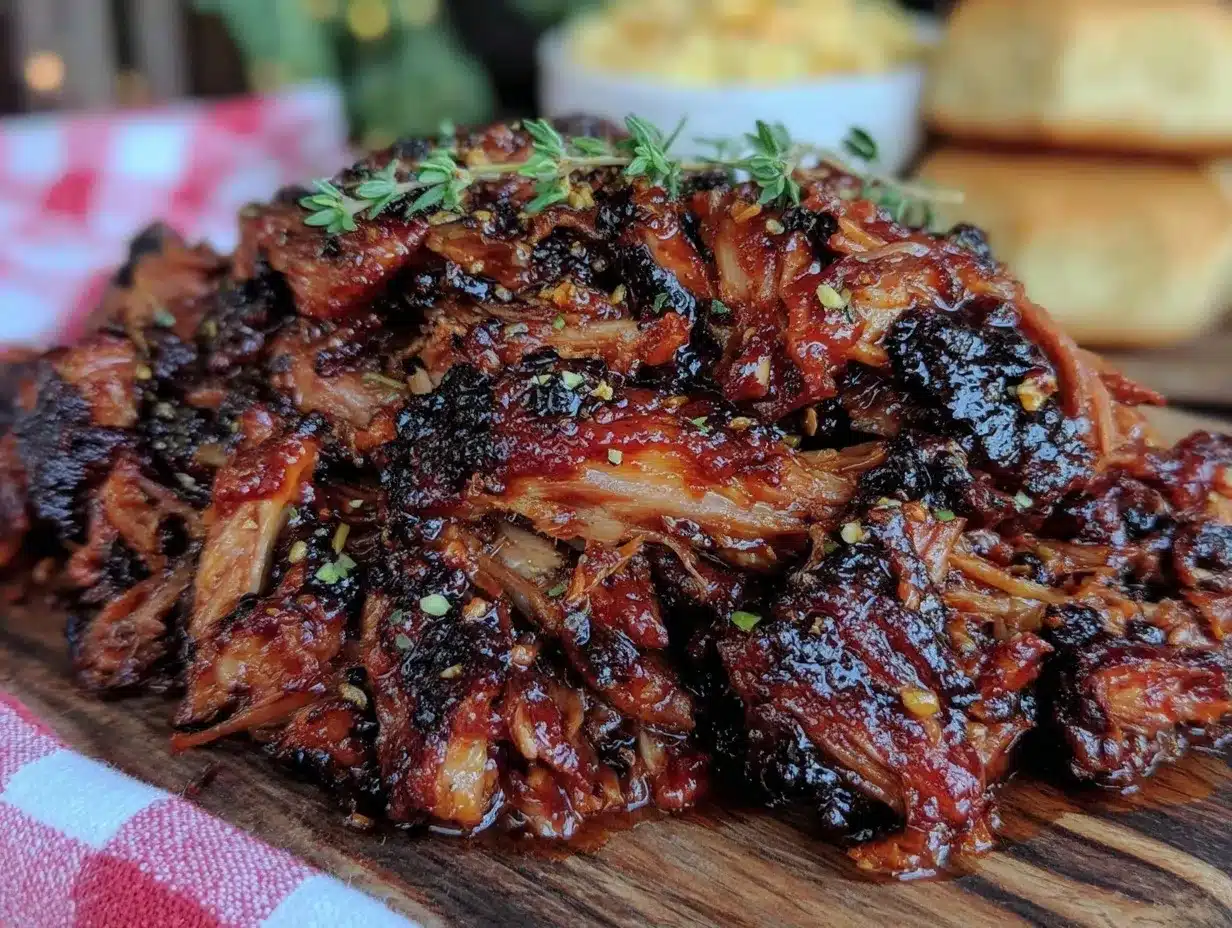
- Shred and Serve: Use two forks or meat claws to pull the pork apart, mixing the bark into the tender meat for that perfect balance of texture and flavor.
Pro tip: If the bark is too soft after wrapping, try unwrapping for the last 30 minutes to let it firm up again. And don’t rush the rest—it’s where magic happens.
Cooking Tips & Techniques
Smoking pulled pork shoulder low and slow is both an art and a science. Here are some tips I picked up the hard way:
- Consistency in Temperature: Fluctuating temps can dry out your pork or leave it tough. I use a reliable digital thermometer and check vents regularly to keep things steady.
- Don’t Skip the Rest: I’ve learned that even if you’re starving, resting the pork is non-negotiable. It’s worth the wait for juicy, tender meat.
- Wood Choice Matters: Hickory gives a strong smoky flavor, but if you want something milder and a bit fruity, apple wood is a great alternative.
- Spritzing Keeps Bark Happy: That occasional spray of apple cider vinegar stops the surface from drying out and adds a subtle tang.
- Wrap at the Stall: The stall is when the internal temp plateaus due to moisture evaporation. Wrapping helps push through it without overcooking.
One time, I forgot to add water to the smoker pan, and the bark came out tough and dry. Lesson learned: humidity is your friend here. Also, patience is key—this isn’t a fast recipe, but multitasking during the cook lets you prep sides or relax.
Variations & Adaptations
This smoked pulled pork recipe is flexible, so you can tweak it to suit your tastes or dietary needs.
- Spice Level: If you like heat, increase the cayenne or add a dash of chipotle powder for smoky spice.
- Sweet Variation: Swap brown sugar for maple sugar or honey powder for a different sweetness profile that caramelizes nicely on the bark.
- Gluten-Free Option: All ingredients here are naturally gluten-free, but double-check your spice blends to be safe.
- Alternative Smoking Method: No smoker? Try the oven method at 250°F (120°C) with a pan of water and a small tray of soaked wood chips on a rack above the heat source, though the flavor won’t be quite the same.
- Personal Twist: I once added a splash of brewed coffee to the spritz for a richer, earthy undertone—it was surprisingly good.
Serving & Storage Suggestions
Serve this pulled pork warm piled high on soft brioche buns or corn tortillas with coleslaw and pickles on the side. A drizzle of your favorite barbecue sauce is optional but recommended for extra tanginess.
Leftovers store beautifully. Wrap tightly in foil or an airtight container and refrigerate for up to 4 days. For longer storage, freeze in portions for up to 3 months—thaw overnight in the fridge before reheating.
Reheat gently in a covered pan with a splash of water or apple juice to keep it moist, or microwave covered with a damp paper towel. The flavors actually deepen after a day or two, making leftovers just as good if not better.
Nutritional Information & Benefits
Per serving (approx. 4 oz/113g):
| Calories | 320 |
|---|---|
| Protein | 28g |
| Fat | 22g |
| Carbohydrates | 3g |
Pork shoulder is a great source of protein and essential vitamins like B6 and B12. The slow cooking breaks down connective tissue, making it easier to digest. Just watch portion sizes if you’re mindful of fat intake, as this cut is naturally fatty but contributes to that moist, tender texture we all crave.
Conclusion
If you’ve been chasing that perfect smoked pulled pork shoulder, this recipe offers a trustworthy way to get there. It’s not about rushing or complicated ingredients—it’s about patience, care, and knowing the little tricks that make the bark crisp and the meat melt in your mouth.
Try it your way, add your favorite rub tweaks or sides, and make it your signature dish. Honestly, this recipe is a crowd-pleaser that keeps me coming back to the smoker on weekends, and I hope it becomes a staple in your kitchen too.
Don’t forget to share your own pulled pork stories or questions—I’m always here to swap tips and celebrate good food!
FAQs
How long does it take to smoke a pork shoulder low and slow?
Usually between 10 to 14 hours at 225°F (107°C), depending on the size of the cut and smoker consistency.
What’s the best wood for smoking pulled pork?
Hickory and apple wood are favorites. Hickory gives a strong smoky flavor, while apple wood is milder and slightly sweet.
Can I smoke the pork shoulder without wrapping it?
Yes, but wrapping helps push through the stall and keeps the meat moist. If you prefer a firmer bark, you can skip wrapping but watch for dryness.
How do I know when the pulled pork is done?
When the internal temperature reaches 195-205°F (90-96°C) and the meat is tender enough to pull apart easily with forks.
Can I prepare this recipe in advance?
Absolutely! You can apply the rub the night before for deeper flavor and reheat leftovers gently after cooking.
Pin This Recipe!
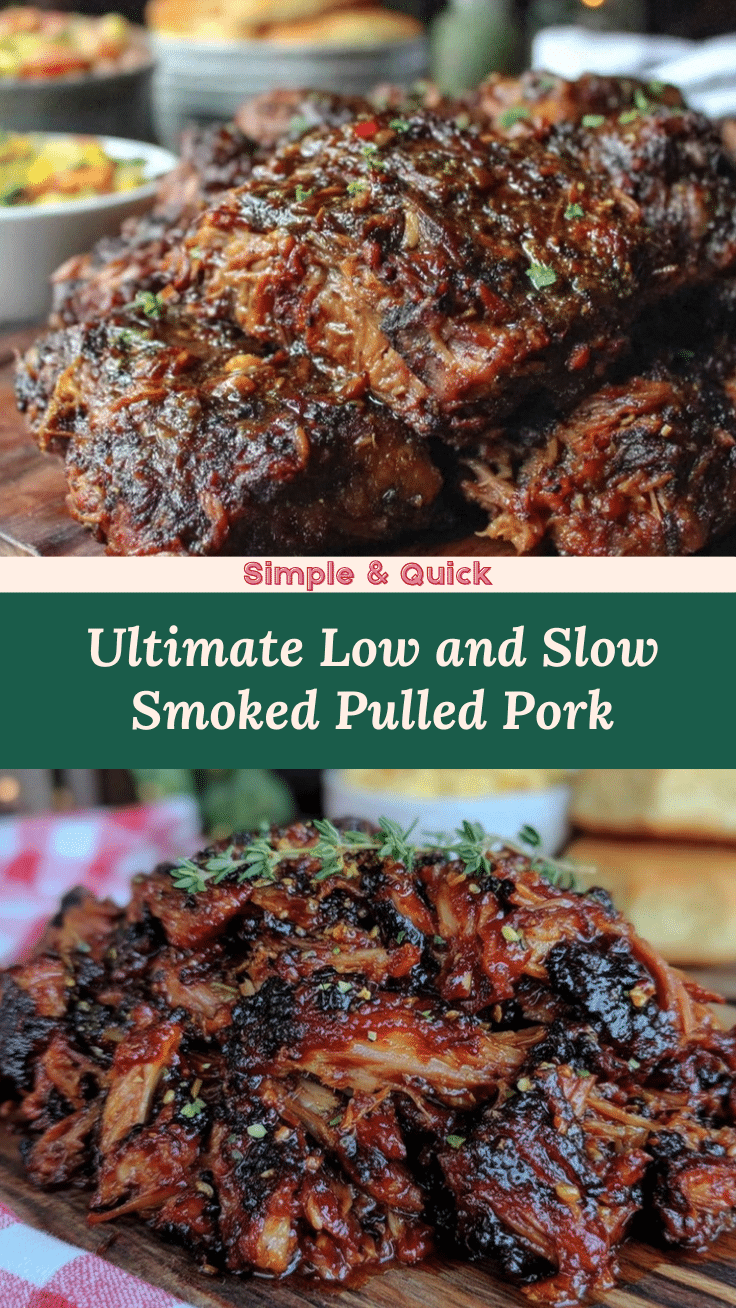
Flavorful Smoked Pulled Pork Shoulder Recipe Low and Slow with Perfect Bark

A low and slow smoked pulled pork shoulder recipe that delivers juicy meat with a perfect crispy bark, using simple pantry ingredients and minimal hands-on time.
- Prep Time: 10 minutes (plus 2 hours to overnight for rub resting)
- Cook Time: 10 to 14 hours
- Total Time: Approximately 12 to 16 hours
- Yield: 8 servings 1x
- Category: Main Course
- Cuisine: American
Ingredients
- 5–6 pounds pork shoulder (Boston Butt) with good marbling
- 2 tablespoons yellow mustard
- 2 tablespoons brown sugar
- 2 tablespoons smoked paprika
- 1 tablespoon kosher salt
- 1 tablespoon freshly ground black pepper
- 1 tablespoon garlic powder
- 1 tablespoon onion powder
- 1 teaspoon cayenne pepper (optional)
- 1/2 cup apple cider vinegar (for spritzing)
- 1 cup water (for smoker water pan)
- About 2 cups hickory or apple wood chunks or chips, soaked if using chips
Instructions
- Trim the pork shoulder, removing excess fat but leaving about 1/4 inch to keep the meat moist. Pat dry with paper towels.
- Rub yellow mustard all over the pork to help the dry rub stick.
- Mix brown sugar, smoked paprika, kosher salt, black pepper, garlic powder, onion powder, and cayenne pepper in a bowl until well blended.
- Generously coat the pork shoulder with the dry rub, pressing it in to form a thick crust. Wrap tightly in plastic wrap and refrigerate for at least 2 hours, ideally overnight.
- Preheat smoker to 225°F (107°C). Add soaked wood chunks or chips to generate smoke. Place a drip pan filled with water under the grate to maintain humidity.
- Place pork shoulder fat side up on the smoker grate. Insert meat thermometer probe into the thickest part. Close lid and smoke low and slow.
- Maintain smoker temperature at 225°F, adding wood and charcoal as needed. Every hour, spritz pork lightly with apple cider vinegar to keep moist and encourage bark formation.
- When internal temperature reaches about 160°F (71°C) and bark looks dark and firm (usually after 6-8 hours), wrap pork tightly in butcher paper or aluminum foil to push through the stall.
- Return wrapped pork to smoker and continue cooking until internal temperature reaches 195-205°F (90-96°C), about 3-5 more hours.
- Remove pork from smoker and let rest wrapped for at least 1 hour to allow juices to redistribute.
- Shred pork using two forks or meat claws, mixing bark into the meat for perfect texture and flavor.
Notes
If bark is too soft after wrapping, unwrap for the last 30 minutes to firm it up. Maintain consistent smoker temperature to avoid drying out meat. Resting the meat after cooking is essential for juicy results. Hickory wood provides strong smoky flavor; apple wood is milder and slightly sweet. Spritz with apple cider vinegar to keep meat moist and enhance bark formation. Oven method can be used as an alternative but flavor differs.
Nutrition
- Serving Size: 4 oz (113 g) cooked
- Calories: 320
- Fat: 22
- Carbohydrates: 3
- Protein: 28
Keywords: smoked pulled pork, pulled pork shoulder, barbecue, low and slow, smoked meat, pork recipe, barbecue pork, smoked pork shoulder