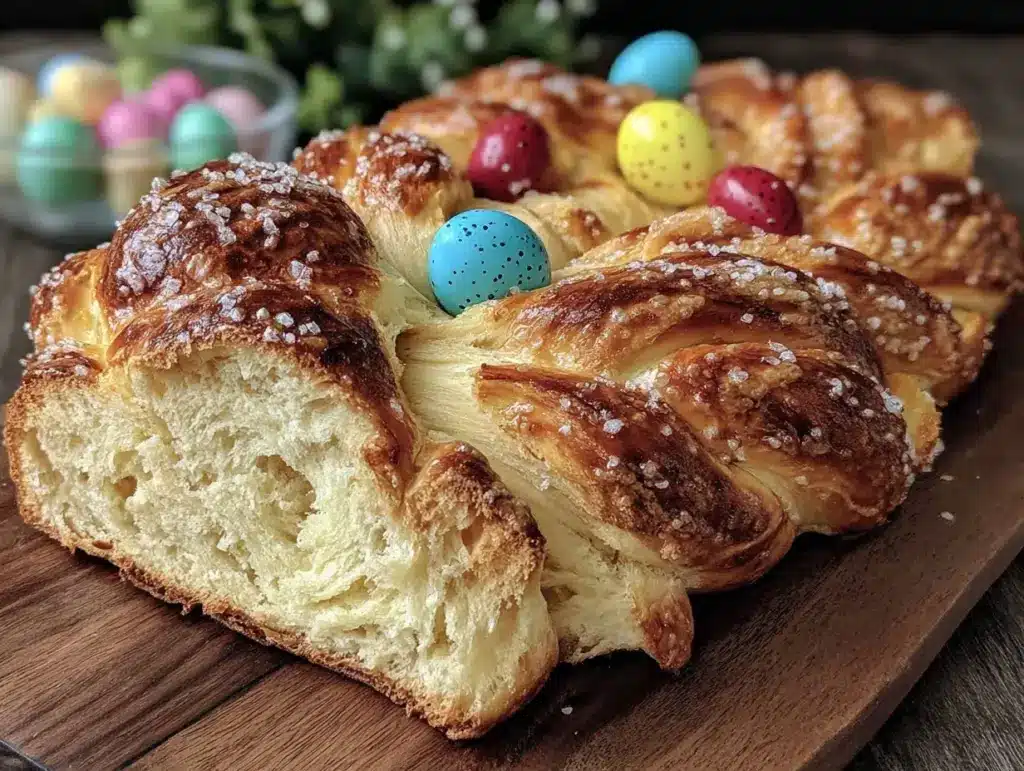
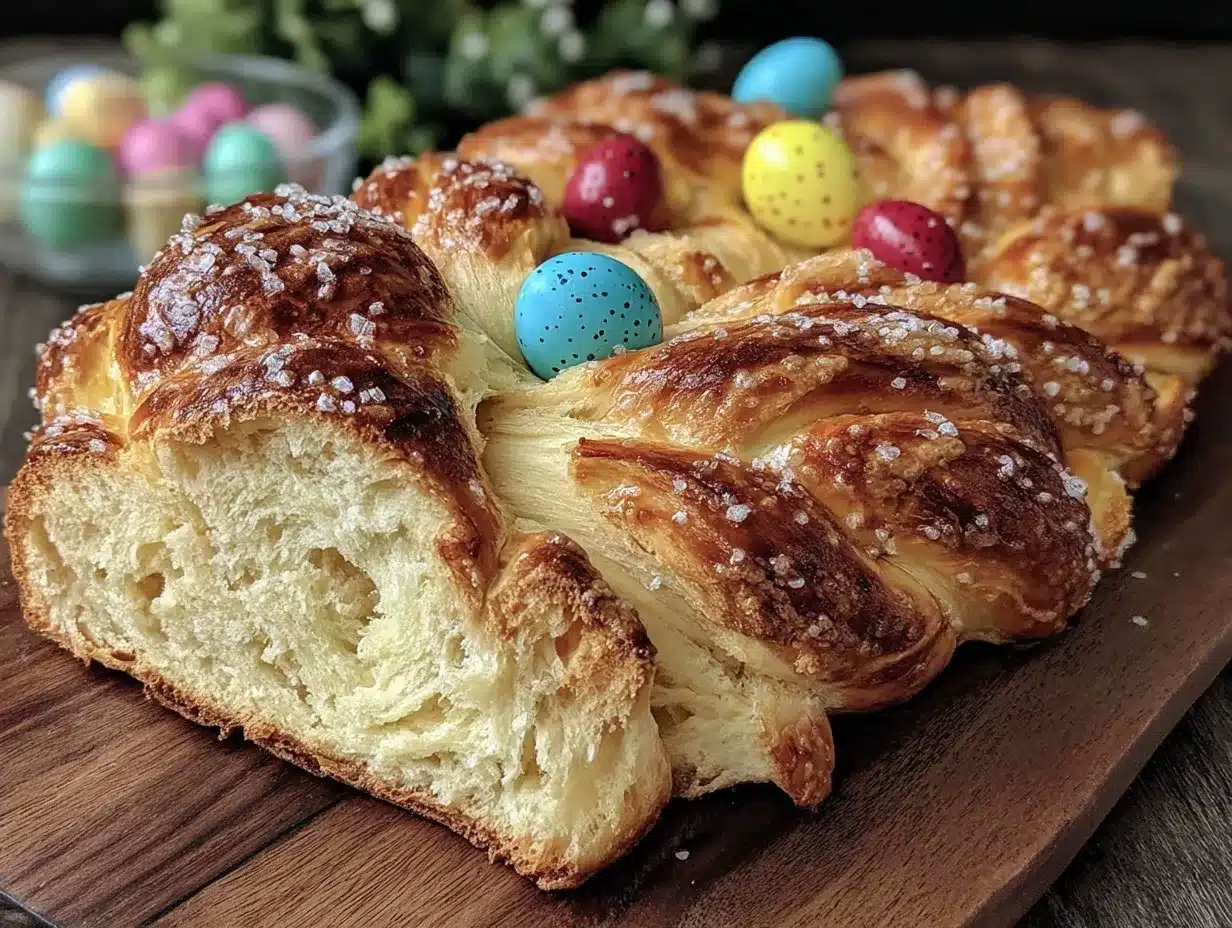
“I used to think bread was just bread,” my neighbor Tom said one spring afternoon as he watched me shape dough in my cramped kitchen. It was the Saturday before Easter, and the sun was just starting to warm the chilly air, slipping through the window with a promise of spring. Tom, a man who’s more comfortable fixing engines than baking, was surprisingly curious about the colorful eggs nestled in my basket and the sweet scent of yeast wafting around. Honestly, I wasn’t expecting to share the story of this cozy Easter bread, or Pane di Pasqua, with him that day.
That recipe came from an old friend’s kitchen years ago, where the tradition was simple but magical: bright eggs tucked into a soft, slightly sweet braided bread that felt like a warm hug on a chilly morning. I remember how I messed up the first batch—forgot to set the timer and nearly burnt the crust. But that happy accident gave the bread a caramelized edge that everyone secretly loved. You know that feeling when a kitchen mishap turns into your favorite discovery? Yeah, that was it.
Maybe you’ve been there too, hunting for something that tastes like home but looks festive enough to brighten the holiday table. This recipe stayed with me because it’s not just about the bread; it’s about the memories it brings, the colors that pop against a white tablecloth, and the smiles when someone cracks open one of those vibrant eggs. Let me tell you, it’s the kind of baking that feels like a celebration, even if you’re just having a quiet morning coffee at home.
Why You’ll Love This Recipe
After quite a few attempts and plenty of shared loaves at neighborhood potlucks, this Cozy Easter Bread recipe has become a favorite that’s both reliable and fun to make. Here’s why it stands out:
- Quick & Easy: Ready in under 3 hours from start to finish, perfect for fitting into busy holiday prep.
- Simple Ingredients: Uses pantry staples—flour, eggs, sugar, yeast—nothing fancy or hard to find.
- Perfect for Easter: The colorful eggs nestled in the bread make it a festive centerpiece or thoughtful gift.
- Crowd-Pleaser: Kids love cracking the eggs, and adults appreciate the soft, slightly sweet crumb.
- Unbelievably Delicious: The bread is tender with a hint of citrus zest, making it feel special without fuss.
This isn’t just another braided bread. The secret here is gently swirling in a touch of orange zest and using a slow rise that deepens the flavor. Plus, the traditional placement of dyed eggs isn’t just for looks—it softens the bread around them, giving delightful pockets of texture and surprise. Honestly, after a few tries, I realized this was the version I’d keep coming back to every spring. It’s comfort food with a little holiday cheer baked right in.
What Ingredients You Will Need
This Cozy Easter Bread uses simple, wholesome ingredients to deliver bold flavor and a satisfying texture without fuss. Most are pantry staples, and a few are seasonal or can be swapped out easily.
- For the Dough:
- 3 ½ cups (420g) all-purpose flour, plus extra for dusting (King Arthur flour works great here)
- ⅓ cup (67g) granulated sugar
- 2 ¼ teaspoons (1 packet) active dry yeast
- 1 teaspoon salt
- ¾ cup (180ml) whole milk, warmed to about 110°F (43°C)
- 2 large eggs, room temperature
- ⅓ cup (75g) unsalted butter, melted and cooled (use European-style butter if you want richer flavor)
- 1 teaspoon vanilla extract
- 1 tablespoon freshly grated orange zest (adds a bright, fresh note)
- For the Decoration:
- 6-8 hard-boiled eggs, dyed in vibrant colors (store-bought or homemade)
- 1 egg, beaten with 1 tablespoon water (for egg wash)
- Optional: pearl sugar or coarse sugar for sprinkling
You can swap whole milk for almond or oat milk if preferred, though the bread will be slightly less rich. For a dairy-free option, use a plant-based butter alternative and non-dairy milk. The orange zest is key to balancing the sweet dough, but if you’re not a fan, lemon zest works fine, too. Just make sure your eggs are fully dry before placing them in the dough to avoid sogginess.
Equipment Needed
- Large mixing bowl – I like a heavy ceramic one because it retains warmth.
- Measuring cups and spoons – accuracy helps with yeast dough.
- Kitchen thermometer – to check milk temperature (warm but not hot).
- Stand mixer with dough hook (optional) – saves time kneading but hand kneading works well.
- Baking sheet or round cake pan – lined with parchment for easy cleanup.
- Clean kitchen towel or plastic wrap – to cover dough while rising.
- Small bowl for egg wash.
If you don’t have a stand mixer, no worries—this dough is soft but manageable with a bit of elbow grease. A good pair of kitchen scissors or a sharp knife helps when shaping the dough. Also, I recommend keeping your mixing bowl somewhere warm and draft-free during rising; a sunny windowsill or near a radiator works wonders.
Preparation Method
- Activate the Yeast (10 minutes): In your large mixing bowl, combine the warm milk (110°F/43°C) with the sugar and yeast. Stir gently, then let sit until frothy and bubbly—about 8-10 minutes. If it doesn’t foam, your yeast might be old, so swap it out.
- Mix Dough Ingredients (5 minutes): Add the eggs, melted butter, vanilla extract, and orange zest to the yeast mixture. Stir to combine. Gradually add the flour and salt, mixing until a shaggy dough forms.
- Knead the Dough (8-10 minutes): On a floured surface, knead the dough until smooth and elastic. It should be slightly tacky but not sticky—add flour sparingly. If using a stand mixer, knead with the dough hook on medium speed.
- First Rise (1 to 1 ½ hours): Place the dough in a lightly oiled bowl, cover with a towel or plastic wrap, and let it rise in a warm spot until doubled in size. I usually leave mine near the kitchen window where the morning sun hits.
- Shape the Bread (15 minutes): Punch down the dough gently to release air. Divide into three equal ropes about 15 inches long. Braid them loosely on your baking sheet. Tuck the dyed eggs into the braid, spacing evenly. You might need to pinch the dough a bit around the eggs to hold them in place.
- Second Rise (30-40 minutes): Cover the braided loaf loosely and let it rest until puffy. It won’t double this time but should look airy and soft.
- Apply Egg Wash and Sprinkle Sugar (5 minutes): Brush the loaf gently with the beaten egg wash, avoiding washing off the eggs. Sprinkle pearl sugar if you like extra crunch.
- Bake (25-30 minutes): Preheat your oven to 350°F (175°C). Bake the bread until golden brown and the internal temperature reaches about 190°F (88°C). The bread should sound hollow when tapped.
- Cool and Enjoy: Let the bread cool on a rack for at least 30 minutes before slicing. This step lets the crumb set perfectly.
Quick tip: If the crust browns too fast, tent the bread loosely with foil halfway through baking. Also, don’t skip the cooling; warm bread is tempting, but slicing too soon can make it gummy.
Cooking Tips & Techniques
Working with yeast dough can be a little tricky if you’re new to it, but here’s what I’ve learned over the years that helps me get consistent results:
- Milk Temperature Matters: Too hot, and you kill the yeast; too cold, and it won’t activate. Aim for between 105°F and 110°F (40-43°C). Use a thermometer or test by touch—it should feel warm but not hot.
- Kneading Is Your Friend: Don’t rush this. Kneading develops gluten, which gives the bread structure and chew. If you’ve got sore hands, a stand mixer is a worthy investment.
- Rising Time Can Vary: Don’t stress if your dough is slower to rise. Temperature and humidity affect yeast activity. If your kitchen is cold, try rising in the oven with just the light on.
- Be Gentle With the Eggs: When placing the colored eggs, gently press them into the dough without squishing. This keeps the bread light and prevents cracking.
- Watch the Bake: Every oven is different. Keep an eye after 20 minutes, and use the toothpick or internal temp test to avoid under or overbaking.
I once forgot to set my timer and found a loaf that was a bit darker than planned. It was surprisingly delicious with a caramelized crust, so don’t be afraid to experiment with your oven’s quirks. Also, don’t overcrowd the braids—give the dough some breathing room around the eggs so everything bakes evenly.
Variations & Adaptations
This Cozy Easter Bread is quite flexible, so here are some ways to make it your own or suit different needs:
- Gluten-Free Version: Use a gluten-free all-purpose blend and add a teaspoon of xanthan gum if your blend doesn’t contain it. Expect a slightly denser bread but still delicious.
- Vegan Adaptation: Swap eggs for a flaxseed egg (1 tablespoon ground flaxseed + 3 tablespoons water per egg) and use plant-based milk and butter. The texture will be softer but still delightful.
- Flavor Twists: Add ½ cup of chopped dried apricots or cranberries to the dough for a fruity surprise. Alternatively, sprinkle chopped pistachios on top before baking for a nutty crunch.
- Cooking Method: Try baking in a round bundt pan for a different shape. Just be sure to grease well and place eggs carefully.
One time, I swapped the orange zest for lemon and added a splash of almond extract—unexpected but surprisingly lovely. Don’t hesitate to try your own spin; that’s part of the fun with this cozy bread.
Serving & Storage Suggestions
This bread is best served at room temperature, ideally within a day or two of baking for peak freshness. The soft crumb and colorful eggs make it a festive addition to breakfast or brunch spreads. Pair it with creamy ricotta, honey, or jam for a simple treat.
Leftovers store well wrapped tightly in plastic wrap or in an airtight container at room temperature for up to 48 hours. For longer storage, freeze the bread (whole or sliced) in a freezer bag for up to 3 months. Thaw overnight in the fridge, then warm slices in a toaster or oven to revive softness.
Reheating in a low oven (300°F/150°C) for 5-10 minutes helps restore that fresh-baked feel. Over time, the orange zest aroma mellows, and the bread becomes even more tender, making it perfect for enjoying over a lazy morning or sharing with friends.
Nutritional Information & Benefits
Per slice (1/12th of loaf, approx.):
| Calories | 190 |
|---|---|
| Fat | 6g |
| Carbohydrates | 29g |
| Protein | 5g |
| Fiber | 1g |
This bread offers a moderate source of protein from the eggs and milk, and the orange zest adds a small boost of vitamin C and antioxidants. Using whole milk and real butter provides richness and essential fats, but you can lighten it up by substituting with lower-fat or plant-based alternatives.
It’s not gluten-free by default, but easily adapted for those with sensitivities. The colorful eggs bring some protein and fun to the plate, making it more than just a sweet bread. Personally, I appreciate that it’s a treat that feels indulgent yet simple enough to fit into a balanced holiday meal.
Conclusion
If you’re looking for a cozy, inviting bread that carries a touch of tradition and a splash of color, this Cozy Easter Bread with Colorful Eggs is a recipe you’ll want to try. It’s approachable for bakers of all levels, and the results always bring smiles and a little festive magic to the table.
Feel free to tweak the flavors, try different egg colors, or add your favorite mix-ins. I love this bread because it’s more than just food—it’s a way to gather, celebrate, and share simple joys. Give it a go this Easter or whenever you need a bright, comforting bread with a story behind it.
If you try this recipe, please share your thoughts or photos—I’d love to hear how your loaf turns out! Happy baking and warm wishes for a joyful holiday.
FAQs
Can I use food coloring to dye the eggs myself?
Absolutely! You can use store-bought egg dye kits or natural dyes like beet juice, turmeric, or red cabbage. Just be sure the eggs are hard-boiled and completely dry before incorporating them into the dough.
How do I know if my yeast is still good?
If your yeast doesn’t foam or bubble when mixed with warm milk and sugar within 10 minutes, it’s likely expired or dead. It’s best to start fresh with new yeast for a good rise.
Can I prepare the dough the night before?
Yes! After kneading, cover the dough and refrigerate overnight. Let it come to room temperature and complete the second rise before baking the next day.
What if I don’t want to include eggs in the bread?
The dyed eggs are traditional but optional. You can bake the bread without them and simply glaze the top for a plain version.
Can I make mini versions of this bread?
Sure thing! Divide the dough into smaller portions, braid or shape individually, and bake for 15-20 minutes at 350°F (175°C). Keep an eye to avoid overbaking.
Pin This Recipe!

Cozy Easter Bread Recipe with Colorful Eggs Easy Homemade Pane di Pasqua

A soft, slightly sweet braided Easter bread with colorful dyed eggs nestled inside, flavored with a hint of orange zest. Perfect for festive celebrations or a cozy morning treat.
- Prep Time: 25 minutes
- Cook Time: 30 minutes
- Total Time: 2 hours 45 minutes
- Yield: 12 servings 1x
- Category: Bread
- Cuisine: Italian
Ingredients
- 3 ½ cups (420g) all-purpose flour, plus extra for dusting
- ⅓ cup (67g) granulated sugar
- 2 ¼ teaspoons (1 packet) active dry yeast
- 1 teaspoon salt
- ¾ cup (180ml) whole milk, warmed to about 110°F (43°C)
- 2 large eggs, room temperature
- ⅓ cup (75g) unsalted butter, melted and cooled
- 1 teaspoon vanilla extract
- 1 tablespoon freshly grated orange zest
- 6–8 hard-boiled eggs, dyed in vibrant colors
- 1 egg, beaten with 1 tablespoon water (for egg wash)
- Optional: pearl sugar or coarse sugar for sprinkling
Instructions
- Activate the Yeast (10 minutes): In a large mixing bowl, combine the warm milk (110°F/43°C) with the sugar and yeast. Stir gently, then let sit until frothy and bubbly—about 8-10 minutes.
- Mix Dough Ingredients (5 minutes): Add the eggs, melted butter, vanilla extract, and orange zest to the yeast mixture. Stir to combine. Gradually add the flour and salt, mixing until a shaggy dough forms.
- Knead the Dough (8-10 minutes): On a floured surface, knead the dough until smooth and elastic. It should be slightly tacky but not sticky—add flour sparingly. If using a stand mixer, knead with the dough hook on medium speed.
- First Rise (1 to 1 ½ hours): Place the dough in a lightly oiled bowl, cover with a towel or plastic wrap, and let it rise in a warm spot until doubled in size.
- Shape the Bread (15 minutes): Punch down the dough gently to release air. Divide into three equal ropes about 15 inches long. Braid them loosely on your baking sheet. Tuck the dyed eggs into the braid, spacing evenly. Pinch the dough around the eggs to hold them in place.
- Second Rise (30-40 minutes): Cover the braided loaf loosely and let it rest until puffy but not doubled.
- Apply Egg Wash and Sprinkle Sugar (5 minutes): Brush the loaf gently with the beaten egg wash, avoiding washing off the eggs. Sprinkle pearl sugar if desired.
- Bake (25-30 minutes): Preheat oven to 350°F (175°C). Bake the bread until golden brown and the internal temperature reaches about 190°F (88°C). The bread should sound hollow when tapped.
- Cool and Enjoy: Let the bread cool on a rack for at least 30 minutes before slicing.
Notes
If the crust browns too fast, tent the bread loosely with foil halfway through baking. Do not slice the bread while warm to avoid gummy texture. Keep eggs fully dry before placing in dough to prevent sogginess. Milk temperature should be between 105°F and 110°F for proper yeast activation. Dough rising times may vary depending on kitchen temperature and humidity.
Nutrition
- Serving Size: 1 slice (1/12th of l
- Calories: 190
- Fat: 6
- Carbohydrates: 29
- Fiber: 1
- Protein: 5
Keywords: Easter bread, Pane di Pasqua, braided bread, colorful eggs, holiday bread, sweet bread, orange zest bread