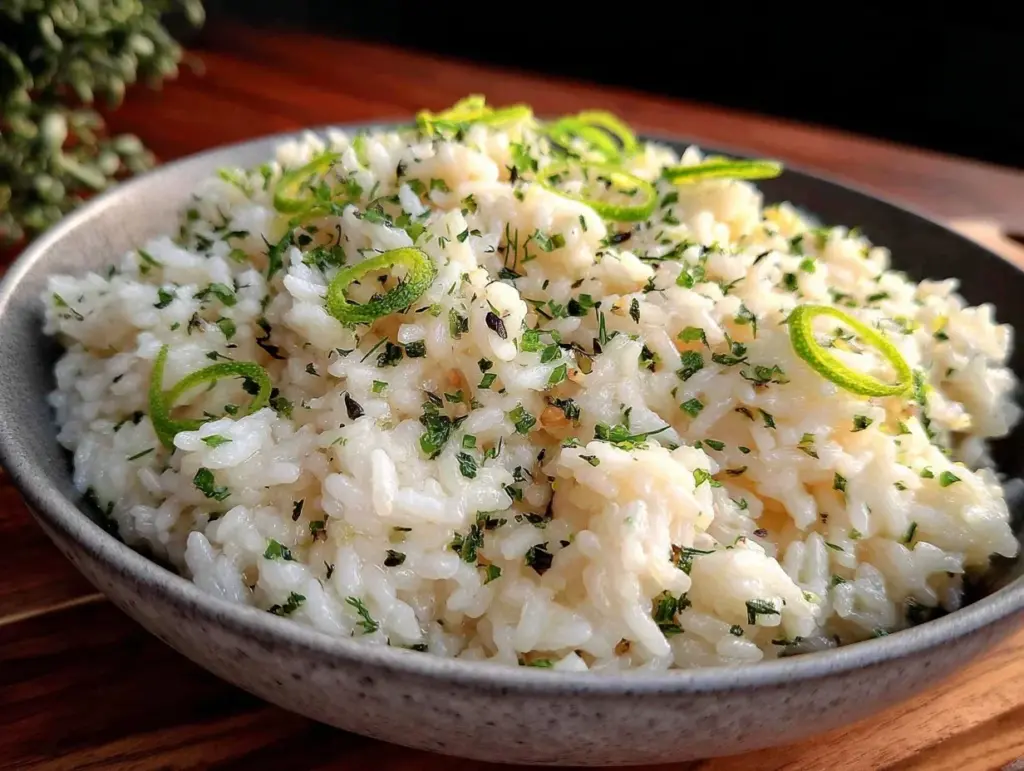
Let me tell you, the scent of fresh lemon and fragrant dill swirling through a pot of perfectly cooked rice is enough to make anyone’s mouth water right away. The first time I whipped up this fresh lemon dill rice pilaf, I was instantly hooked—the kind of moment where you pause, take a deep breath, and just smile because you know you’re onto something truly special. It’s got that bright, tangy zing from lemon paired with the herbaceous charm of dill, making each bite a little celebration on your palate.
Years ago, when I was knee-high to a grasshopper, my grandma used to make a similar rice dish that felt like a warm hug after a long day. I stumbled upon this fresh lemon dill rice pilaf recipe during a rainy weekend spent trying to recreate those flavors without all the fuss. Honestly, it’s dangerously easy yet packed with pure, nostalgic comfort that my family couldn’t stop sneaking off the plate (and I can’t really blame them!).
You know what? This fresh lemon dill rice pilaf is perfect for potlucks, a sweet little side for your weeknight dinners, or to brighten up your Pinterest recipe board with a splash of sunshine. I’ve tested this recipe more times than I can count—in the name of research, of course—and it’s become a staple for family gatherings and gifting alike. Once you try it, you’re going to want to bookmark this one for good.
Why You’ll Love This Fresh Lemon Dill Rice Pilaf Recipe
Having cooked and tweaked this recipe dozens of times, I can confidently say it delivers on flavor and simplicity. Here’s why this fresh lemon dill rice pilaf stands out:
- Quick & Easy: Comes together in under 30 minutes, perfect for busy weeknights or last-minute cravings.
- Simple Ingredients: No fancy grocery trips needed; you likely have fresh lemons, dill, and rice in your kitchen already.
- Perfect for Any Occasion: Whether it’s a family dinner, picnic, or potluck, it fits right in.
- Crowd-Pleaser: My kids and guests alike always ask for seconds because the bright flavors are so inviting.
- Unbelievably Delicious: The balance between the zesty lemon and fresh dill creates a texture and flavor combo that feels like comfort food with a twist.
What really makes this fresh lemon dill rice pilaf different is the technique of gently toasting the rice before cooking—it adds a nutty depth that’s subtle but noticeable. Plus, stirring in freshly chopped dill and a good squeeze of lemon juice at the end keeps those vibrant flavors alive. This recipe isn’t just good; it’s the kind that makes you close your eyes after the first bite, savoring every morsel. It’s comfort food reimagined—lighter, brighter, but still soul-soothing. If you want to impress your guests without breaking a sweat, this is your go-to side dish.
What Ingredients You Will Need
This fresh lemon dill rice pilaf recipe uses simple, wholesome ingredients to deliver bold flavor and satisfying texture without the fuss. Most of these are pantry staples, and the fresh elements like lemon and dill bring it all together.
- Long-grain white rice: 1 cup (about 190g) — I prefer basmati for its fluffy texture, but jasmine works well too.
- Unsalted butter: 2 tablespoons — adds richness and helps toast the rice evenly.
- Olive oil: 1 tablespoon — for sautéing the aromatics.
- Yellow onion: ½ medium, finely chopped — brings a gentle sweetness.
- Garlic cloves: 2, minced — for a subtle savory kick.
- Vegetable or chicken broth: 2 cups (480ml) — using broth instead of water boosts flavor significantly.
- Fresh lemon juice: From 1 large lemon (about 3 tablespoons) — the star of the zesty flavor.
- Lemon zest: 1 teaspoon — adds a bright, fragrant note.
- Fresh dill: ¼ cup, finely chopped — the herb that makes this pilaf sing.
- Salt: 1 teaspoon, or to taste — balances and brings out flavors.
- Black pepper: ½ teaspoon, freshly ground — for a hint of warmth.
Optional ingredients to tweak the flavor:
- Toasted pine nuts or slivered almonds: A handful for crunch and nuttiness.
- Chopped fresh parsley: For extra herbaceous brightness.
If you’re gluten-free, rest easy as rice and all ingredients are naturally gluten-free. For a dairy-free version, swap butter with extra olive oil or coconut oil. When picking dill, look for firm, vibrant green sprigs without yellowing—that freshness really makes a difference.
Equipment Needed
- Medium saucepan with lid: Essential for cooking the rice evenly; a heavy-bottomed pan helps prevent sticking.
- Wooden spoon or silicone spatula: For stirring the rice gently, especially when toasting.
- Measuring cups and spoons: For accurate liquid and dry ingredient measurements.
- Citrus zester or microplane: To finely zest the lemon without getting the bitter pith.
- Fine mesh strainer: Optional but helpful to rinse rice before cooking, removing excess starch.
If you don’t have a citrus zester, a vegetable peeler works fine—just be careful to avoid the white part of the lemon. For budget-friendly cooking, a simple non-stick saucepan does the job beautifully. Personally, I like to use a pan with a thick base because my first batches burned a bit on cheap pans, and that’s a flavor no one wants.
Preparation Method
- Rinse the Rice (5 minutes): Place the rice in a fine mesh strainer and rinse under cold water until the water runs clear. This step removes excess starch and prevents the rice from getting gummy.
- Toast the Rice (5 minutes): In your medium saucepan, melt the butter with olive oil over medium heat. Add the rinsed, drained rice and stir frequently for about 3-4 minutes until the grains turn slightly golden and smell nutty. This step adds great depth to the flavor.
- Sauté Aromatics (3 minutes): Add finely chopped onion and garlic to the pan with the rice. Cook, stirring often, until the onion becomes translucent and fragrant—about 2-3 minutes. Be careful not to brown the garlic or it will turn bitter.
- Add Broth and Simmer (20 minutes): Pour in the vegetable or chicken broth. Stir in salt and pepper, then bring the mixture to a boil. Once boiling, reduce heat to low, cover the saucepan tightly, and let it simmer gently for 18-20 minutes. Avoid lifting the lid during this time to keep the steam trapped for perfect fluffy rice.
- Rest the Rice (5 minutes): Once the liquid is fully absorbed, remove the pan from heat. Keep it covered and let the rice rest for 5 minutes—this helps the grains firm up and become fluffier.
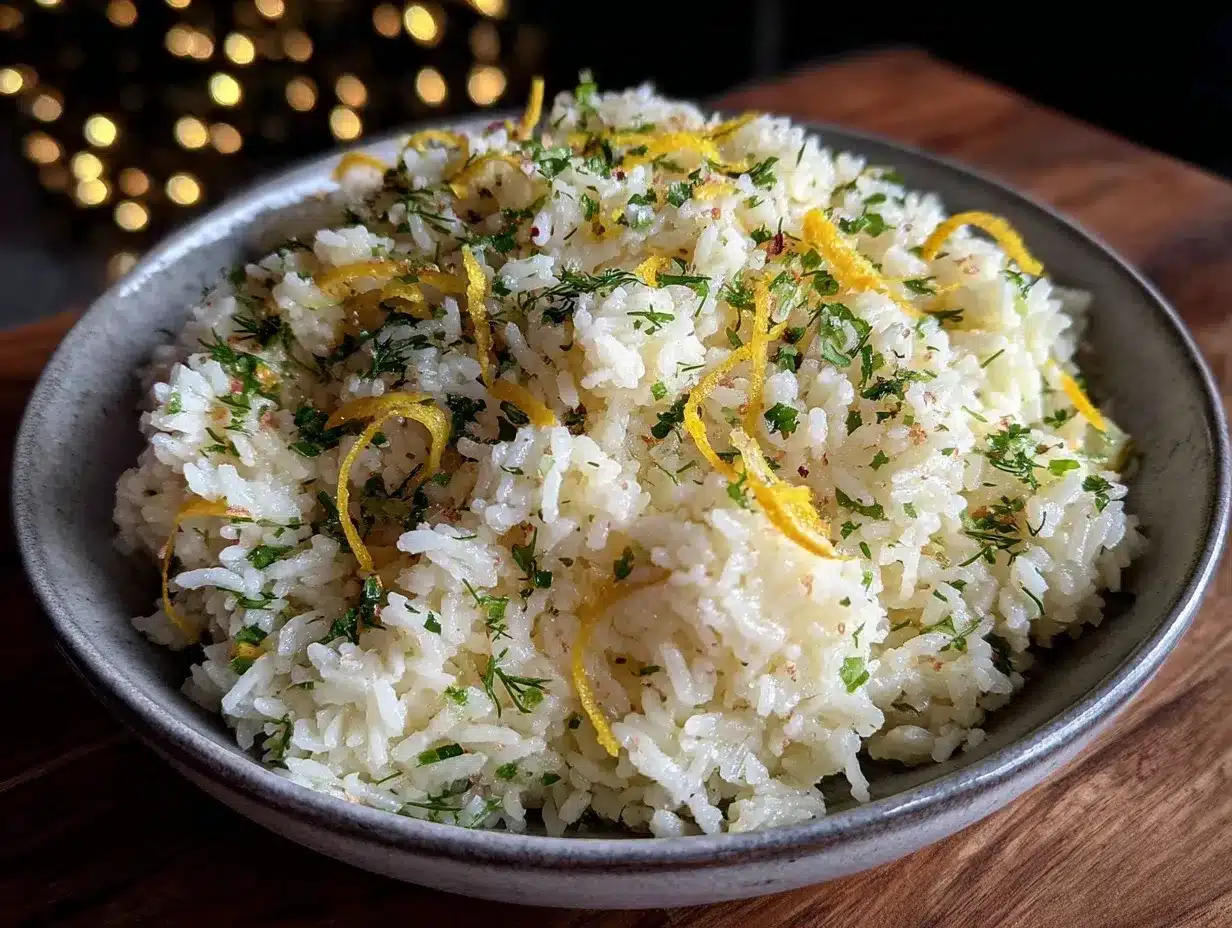
- Finish with Lemon and Dill (2 minutes): Fluff the rice gently with a fork. Stir in fresh lemon juice, lemon zest, and chopped dill. Taste and adjust the seasoning with more salt, pepper, or lemon juice if needed.
Pro tip: If your rice turns out a bit sticky, fluff it immediately after cooking and spread it out on a baking sheet for a few minutes to cool—it helps separate the grains. Also, don’t skip the resting step; it’s the secret for tender, separate grains.
Cooking Tips & Techniques
Getting the perfect fresh lemon dill rice pilaf involves a few kitchen tricks I’ve learned the hard way (and through plenty of burned batches, honestly). First, rinsing your rice is a game changer. It washes off excess starch that otherwise turns the dish clumpy.
Toasting the rice before cooking is crucial—it adds a subtle nuttiness that you might not expect but will definitely notice. I like to keep the heat medium-low here to avoid scorching. Stirring often prevents the rice from sticking while toasting.
When adding broth, bring it to a boil first, then lower the heat to a gentle simmer. That’s the sweet spot for fluffy rice. And resist the urge to peek under the lid! Steam is your best friend here.
Timing is everything; setting a timer for 18-20 minutes lets you multitask without worry. After cooking, the resting period is non-negotiable. It lets the rice finish absorbing moisture and firms it up, making fluffing easier and preventing mushiness.
Lastly, add lemon juice and dill at the very end to keep their brightness and freshness intact. Adding herbs too early causes flavor loss. Trust me—I learned that after many a dull-tasting batch!
Variations & Adaptations
This fresh lemon dill rice pilaf is wonderfully flexible, so feel free to tweak it to suit your taste or dietary needs.
- Seasonal Twist: Swap fresh dill for fresh parsley or cilantro in fall and winter for a different herbal note. In summer, add chopped cherry tomatoes or sautéed zucchini for a colorful upgrade.
- Grain Swap: Use brown rice or quinoa instead of white rice for a heartier, nuttier pilaf. Just adjust cooking times and liquid accordingly—brown rice takes about 40-45 minutes, and quinoa about 15 minutes.
- Dairy-Free Option: Replace butter with extra olive oil or coconut oil. The flavor shifts slightly but stays delicious and fresh.
- Nutty Crunch: Toasted pine nuts, slivered almonds, or chopped walnuts stirred in right before serving add a lovely texture contrast.
- Spicy Kick: Add a pinch of red pepper flakes when sautéing the garlic and onion for a subtle heat.
I once tried this pilaf with a splash of white wine added to the broth for a dinner party. It gave the dish a subtle complexity that impressed everyone. Play around and find your favorite version!
Serving & Storage Suggestions
This fresh lemon dill rice pilaf shines when served warm or at room temperature. It pairs beautifully with grilled chicken, roasted veggies, or fish—honestly, it’s that versatile. For a light meal, toss in some chickpeas or white beans and a drizzle of olive oil.
Leftovers keep well in an airtight container in the refrigerator for up to 4 days. To reheat, sprinkle a little water over the rice and microwave covered for 1-2 minutes, stirring halfway through to refresh the moisture. You can also warm it gently on the stovetop with a splash of broth.
Flavors actually develop over time—the lemon and dill get a bit fuller and more mellow the next day, making it perfect for meal prep or entertaining ahead. If freezing, portion it out and thaw overnight in the fridge before reheating.
Nutritional Information & Benefits
One serving (about 1 cup) of this fresh lemon dill rice pilaf contains approximately:
| Calories | 210 |
|---|---|
| Carbohydrates | 38g |
| Protein | 4g |
| Fat | 5g |
| Fiber | 1g |
This recipe offers a light, satisfying side that’s naturally gluten-free and can be modified easily for dairy-free diets. The fresh lemon juice provides vitamin C, while dill is packed with antioxidants and supports digestion. Using broth instead of water adds trace minerals and boosts flavor without extra calories.
From a wellness perspective, this pilaf offers a comforting, fresh alternative to heavier sides, making it ideal for those who want to enjoy a meal that’s both tasty and nourishing.
Conclusion
If you’re after a side dish that’s fresh, zesty, and downright addictive, this fresh lemon dill rice pilaf is going to win your heart (and your family’s too). It’s quick to make, uses simple ingredients, and brings a brightness to your plate that’s hard to beat. Honestly, I love how it transforms ordinary rice into something memorable without any hassle.
Feel free to customize it with your favorite herbs or nuts, and don’t be shy about making it your own. I’d love to hear how you tweak this recipe or what you pair it with, so please drop a comment below or share your own twists. Here’s to easy, delicious meals that bring a little sunshine to your table!
FAQs About Fresh Lemon Dill Rice Pilaf
Can I use brown rice instead of white rice?
Yes! Brown rice works well but requires a longer cooking time (about 40-45 minutes) and extra liquid. Adjust the broth accordingly and keep the lid on to trap steam.
Is fresh dill necessary, or can I use dried dill?
Fresh dill is best for vibrant flavor and texture. If using dried, use about one-third the amount and add it earlier in cooking, though it won’t be quite as bright.
Can I make this pilaf ahead of time?
Absolutely! It reheats well and flavors actually deepen after a day in the fridge. Store in an airtight container and reheat with a splash of water or broth.
What can I serve with this lemon dill rice pilaf?
It pairs beautifully with grilled meats, fish, roasted vegetables, or a fresh salad. It’s versatile enough to complement many main dishes.
How can I make this recipe vegan?
Simply replace butter with olive oil or a plant-based butter alternative. Make sure to use vegetable broth, and you’re good to go!
Pin This Recipe!

Fresh Lemon Dill Rice Pilaf

A quick and easy rice pilaf with bright lemon and fresh dill flavors, perfect as a zesty side dish for any occasion.
- Prep Time: 10 minutes
- Cook Time: 25 minutes
- Total Time: 35 minutes
- Yield: 4 servings 1x
- Category: Side Dish
- Cuisine: American
Ingredients
- 1 cup long-grain white rice (preferably basmati or jasmine)
- 2 tablespoons unsalted butter
- 1 tablespoon olive oil
- ½ medium yellow onion, finely chopped
- 2 garlic cloves, minced
- 2 cups vegetable or chicken broth
- Juice of 1 large lemon (about 3 tablespoons)
- 1 teaspoon lemon zest
- ¼ cup fresh dill, finely chopped
- 1 teaspoon salt, or to taste
- ½ teaspoon freshly ground black pepper
- Optional: toasted pine nuts or slivered almonds (a handful)
- Optional: chopped fresh parsley
Instructions
- Rinse the rice under cold water in a fine mesh strainer until the water runs clear to remove excess starch.
- In a medium saucepan, melt the butter with olive oil over medium heat.
- Add the rinsed and drained rice and stir frequently for 3-4 minutes until the grains turn slightly golden and smell nutty.
- Add the finely chopped onion and minced garlic to the pan and cook, stirring often, until the onion is translucent and fragrant, about 2-3 minutes. Avoid browning the garlic.
- Pour in the vegetable or chicken broth, stir in salt and pepper, and bring to a boil.
- Reduce heat to low, cover tightly, and simmer gently for 18-20 minutes without lifting the lid.
- Remove the pan from heat and let the rice rest, covered, for 5 minutes.
- Fluff the rice gently with a fork, then stir in fresh lemon juice, lemon zest, and chopped dill.
- Taste and adjust seasoning with additional salt, pepper, or lemon juice if needed.
- Optional: Stir in toasted pine nuts, slivered almonds, or chopped parsley before serving.
Notes
Rinsing the rice removes excess starch and prevents gumminess. Toasting the rice adds a subtle nutty flavor. Do not lift the lid while simmering to keep steam trapped for fluffy rice. Resting the rice after cooking firms up the grains and improves texture. Add lemon juice and dill at the end to preserve brightness. For dairy-free, substitute butter with extra olive oil or coconut oil. Optional nuts add crunch and texture.
Nutrition
- Serving Size: About 1 cup cooked r
- Calories: 210
- Fat: 5
- Carbohydrates: 38
- Fiber: 1
- Protein: 4
Keywords: lemon dill rice pilaf, lemon rice, dill rice, easy rice side dish, quick rice pilaf, gluten-free side dish, dairy-free option