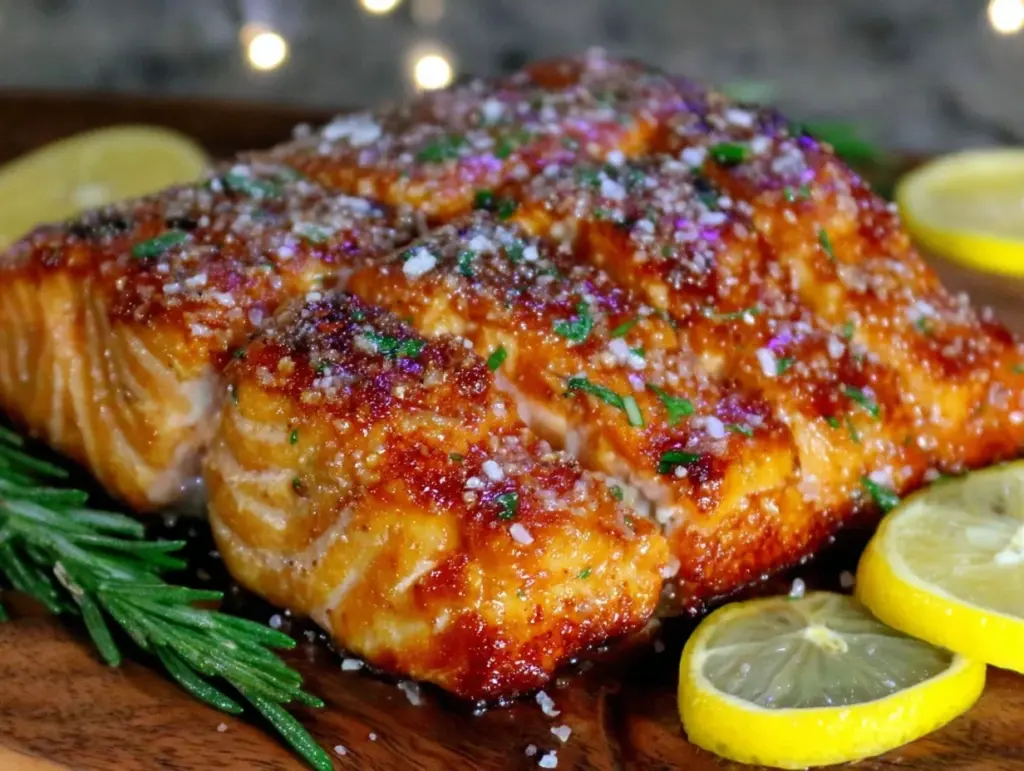
“You know that moment when the pan sizzles just right, and the kitchen fills with this irresistible aroma?” That’s exactly how my journey with this crispy pan seared salmon started one breezy Thursday evening. I was halfway through fixing a leaky faucet when my neighbor, an unexpected culinary wizard named Marcus, popped over with a quick tip about getting the perfect salmon crust. Honestly, I wasn’t expecting much, but that evening turned into a small kitchen experiment that surprised everyone in my household.
The secret? A simple lemon dill combination that brings out the salmon’s tenderness while giving the outside a satisfyingly crispy finish. I still remember the moment I flipped the fillet and saw that gorgeous golden crust—my cat Max even sat by the stove, probably hoping for a sneaky bite. Maybe you’ve been there, craving a dish that’s both quick and impressive without fussing over complicated steps. This recipe ticks those boxes and has stuck with me ever since, mostly because it’s forgiving, flavorful, and just downright satisfying.
Let me tell you, this isn’t your run-of-the-mill salmon recipe. It’s the kind that makes you close your eyes, savoring every bite, while knowing you whipped it up faster than your favorite takeout. So whether you’re a seasoned cook or just someone who likes to keep dinner deliciously simple, this crispy pan seared salmon with lemon dill will soon become a staple in your kitchen.
Why You’ll Love This Recipe
Having cooked countless salmon dishes, I can say this one truly stands out for several reasons:
- Quick & Easy: Ready in under 20 minutes, perfect for busy weeknights or unexpected guests.
- Simple Ingredients: Uses pantry staples and fresh herbs you probably already have on hand.
- Perfect for Any Occasion: Whether it’s a cozy dinner or a casual brunch, this recipe fits right in.
- Crowd-Pleaser: Even picky eaters around my table ask for seconds—kids included.
- Unbelievably Delicious: The crisp exterior pairs beautifully with the tender, flaky inside, while the lemon dill adds a fresh zing.
This isn’t just another salmon recipe floating around the internet. What sets this apart is the technique of patting the salmon dry before searing, which I learned from Marcus, and the gentle touch of fresh dill combined with bright lemon juice that cuts through the richness. Honestly, the balance here is spot on—it’s comfort food without feeling heavy or complicated.
Plus, it’s versatile. You can dress it up with a side salad or keep it simple with steamed veggies. It’s the kind of recipe you lean on when you want something flavorful but fuss-free. Trust me, once you try it, you’ll understand why I keep making it, especially on those days when time is short but flavor can’t be compromised.
What Ingredients You Will Need
This recipe uses straightforward, fresh ingredients that come together to make a bold yet clean flavor. Most are pantry staples, with the lemon and dill adding a bright, fresh touch that’s easy to source year-round.
- Salmon Fillets: 4 pieces (6 oz / 170 g each), skin-on, preferably wild-caught for better flavor and texture.
- Salt and Pepper: To taste, freshly ground black pepper recommended.
- Olive Oil: 2 tablespoons (use extra virgin for best flavor and health benefits).
- Unsalted Butter: 1 tablespoon (adds richness and helps with browning).
- Fresh Lemon Juice: From 1 medium lemon (about 2 tablespoons), plus thin lemon slices for garnish.
- Fresh Dill: 2 tablespoons chopped (or 2 teaspoons dried dill if fresh is unavailable, but fresh is best).
- Garlic Cloves: 2 minced (adds subtle depth without overpowering).
- Optional: A pinch of smoked paprika for a mild smoky note.
I like to use Colavita olive oil for its smooth flavor and Land O Lakes unsalted butter for consistent richness. For the salmon, if you can find fresh wild-caught fillets at your local market or trusted fishmonger, you’re in for a treat. If fresh dill isn’t in season, you can substitute flat-leaf parsley, but the lemon-dill combo is classic for a reason!
For a gluten-free version, this recipe is naturally safe, and if you want to tweak it for a dairy-free diet, just swap the butter for coconut oil or a plant-based spread—it still sears beautifully.
Equipment Needed
- Non-stick or Cast Iron Skillet: A heavy-bottomed skillet helps achieve that perfect crispy skin without sticking. Cast iron is my go-to for heat retention.
- Fish Spatula: Flexible and thin, it’s perfect for flipping delicate salmon fillets without breaking them.
- Measuring Spoons: For precise seasoning and lemon juice measurements.
- Sharp Knife: To chop dill and slice lemon thinly.
- Paper Towels: To pat salmon dry—this step is crucial for crispiness.
If you don’t have a cast iron skillet, a heavy stainless steel pan works fine; just make sure it’s properly preheated. A fish spatula might seem fancy, but a thin, flexible silicone spatula can also do the trick. For those on a budget, simply using a good-quality non-stick pan and a sturdy regular spatula works well enough.
Maintaining your cast iron by seasoning it regularly will keep the salmon from sticking and improve the pan’s performance over time. Don’t skip the drying step—trust me, it makes all the difference.
Preparation Method
- Pat the Salmon Dry: Using paper towels, gently blot each fillet on both sides until the skin and flesh are dry. This step, taking about 2 minutes, is key to getting that crispy skin.
- Season: Sprinkle salt and freshly ground black pepper evenly on both sides of the fillets. If you’re using smoked paprika, add a light dusting now. (Tip: Don’t be shy with the salt—it brings out the salmon’s natural flavors.)
- Preheat the Skillet: Heat your non-stick or cast iron skillet over medium-high heat for about 3 minutes. Add 2 tablespoons of olive oil and 1 tablespoon of butter. Wait until the butter foams and the oil shimmers but doesn’t smoke.
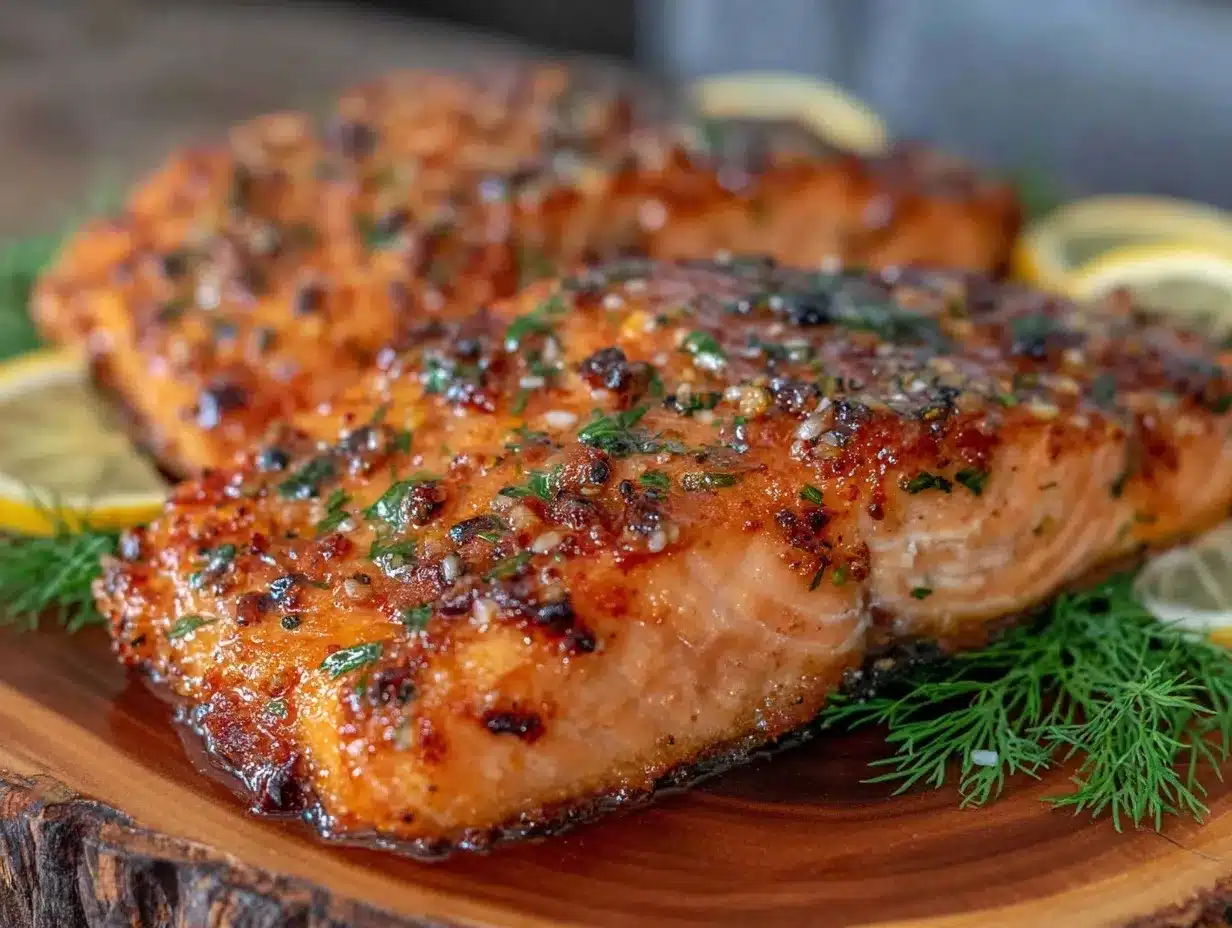
- Cook Salmon Skin-Side Down: Place the fillets skin-side down in the skillet. Press gently with a spatula for 10 seconds to prevent curling. Cook undisturbed for 5-6 minutes until the skin is golden brown and crisp. (You’ll hear a satisfying sizzle and see the edges start to turn opaque.)
- Flip Carefully: Using your fish spatula, turn the fillets over and cook for another 2-3 minutes for medium doneness (internal temperature about 125°F / 52°C). For well-done, add an extra minute but be careful not to dry out the fish.
- Add Garlic and Lemon Dill Sauce: Lower the heat to medium-low. Add minced garlic to the pan and cook for 30 seconds until fragrant. Remove from heat, squeeze fresh lemon juice over the salmon, and sprinkle chopped dill on top.
- Rest and Serve: Transfer the fillets to a warm plate, garnish with thin lemon slices, and let rest for a minute before serving. This resting helps the juices redistribute for a tender bite.
If the skin sticks when you try to flip, it’s a sign the fish isn’t ready yet—give it another 30 seconds and try again. Watch closely to avoid overcooking; salmon can go from perfect to dry surprisingly fast. I once got distracted mid-cook and ended up with a slightly tougher fillet; lesson learned—stay in the kitchen!
Cooking Tips & Techniques
Getting crispy skin on salmon can feel tricky, but here are some tips that really helped me nail it every time:
- Dry the fish thoroughly: Moisture is the enemy of crispiness. Patting the salmon dry is non-negotiable.
- Don’t overcrowd the pan: Give each fillet room to sizzle. Crowding causes steaming instead of searing.
- Temperature control: Medium-high heat works best. Too hot and the skin burns; too low and it won’t crisp.
- Resist flipping too soon: The skin will naturally release when it’s ready—force it, and you risk tearing.
- Finishing with butter and garlic: Adds flavor and a gentle gloss to the fillets, making them look and taste restaurant-quality.
- Rest the fish: Helps keep the salmon juicy and tender inside.
One time, I forgot to press the fillets down initially, and the skin curled up like a little salmon taco—funny to see but not ideal for presentation or crispness. Another pro tip is to multitask by prepping your lemon dill sauce while the salmon cooks—keeps things moving and the kitchen less chaotic.
Variations & Adaptations
This crispy pan seared salmon recipe is a great canvas for customization:
- Herb swaps: Replace dill with fresh basil or tarragon for a different but equally fresh flavor profile.
- Spicy kick: Add a pinch of cayenne or red pepper flakes to the seasoning for a mild heat boost.
- Gluten-free soy glaze: For an Asian twist, drizzle gluten-free tamari and a splash of sesame oil instead of lemon dill.
- Cooking method: If you prefer oven roasting, sear the salmon skin-side down for 3 minutes then transfer to a 400°F (200°C) oven for 5-7 minutes.
- Dairy-free option: Swap butter with avocado oil or coconut oil for a rich but dairy-free finish.
I once added a spoonful of capers and a few chopped sun-dried tomatoes to the lemon dill sauce—unexpected but delicious. Feel free to experiment with what you have on hand; this recipe is forgiving and welcomes creativity.
Serving & Storage Suggestions
Serve this crispy pan seared salmon hot, right off the stove, to enjoy that perfect crisp texture. It pairs beautifully with simple sides like steamed asparagus, garlic mashed potatoes, or a fresh green salad tossed with vinaigrette.
For beverages, a light white wine like Sauvignon Blanc or a citrusy sparkling water complements the lemon dill flavors nicely.
If you have leftovers (lucky you!), store salmon in an airtight container in the fridge for up to 2 days. To reheat without losing crispness, warm it gently in a skillet over medium heat for 2-3 minutes skin-side down.
Flavors actually deepen overnight, so leftovers can taste even better the next day cold or lightly reheated. Just avoid the microwave if you want to keep that crispy skin intact.
Nutritional Information & Benefits
Each 6 oz (170 g) serving of salmon provides approximately:
| Calories | 350 kcal |
|---|---|
| Protein | 34 g |
| Fat | 22 g (mostly healthy omega-3 fatty acids) |
| Carbohydrates | 0-2 g (from lemon and herbs) |
Salmon is well-known for its omega-3 fatty acids, which support heart and brain health. The fresh lemon and dill add antioxidants and vitamins without extra calories. This recipe is naturally gluten-free and low-carb, making it suitable for many dietary preferences.
From a wellness perspective, I appreciate how this dish balances indulgence with nutrient density. It feels like a treat but also nourishes your body, which is a win-win in my book.
Conclusion
This crispy pan seared salmon with lemon dill recipe has earned a permanent spot in my meal rotation—and I think it will in yours, too. It’s straightforward enough for weeknight dinners but impressive enough for guests, all while delivering tender, flaky fish with a perfectly crisp skin.
Don’t hesitate to tweak the herbs or seasoning to suit your tastes—that’s part of the fun. I love how this recipe reminds me of that unexpected kitchen chat with Marcus and how a simple tip can turn a regular dinner into something special.
Try it out, share your thoughts, or even your own twists—I’d love to hear how you make it your own. Happy cooking, and here’s to many delicious meals ahead!
FAQs
How do I know when salmon is cooked perfectly?
Look for opaque flesh that flakes easily with a fork but is still moist inside. An internal temperature of 125°F (52°C) is ideal for medium doneness.
Can I use frozen salmon for this recipe?
Yes, but thaw completely and pat dry before cooking to get a crispy skin. Excess moisture will hinder browning.
What if I don’t like the taste of dill?
You can substitute dill with parsley, basil, or chives for a fresh herb flavor without the distinct dill taste.
Is it necessary to cook salmon skin-side down first?
Yes, cooking skin-side down first crisps the skin and helps protect the delicate flesh from overcooking.
Can I make this recipe dairy-free?
Absolutely! Replace butter with avocado oil or coconut oil to keep it dairy-free without sacrificing flavor or crispiness.
Pin This Recipe!
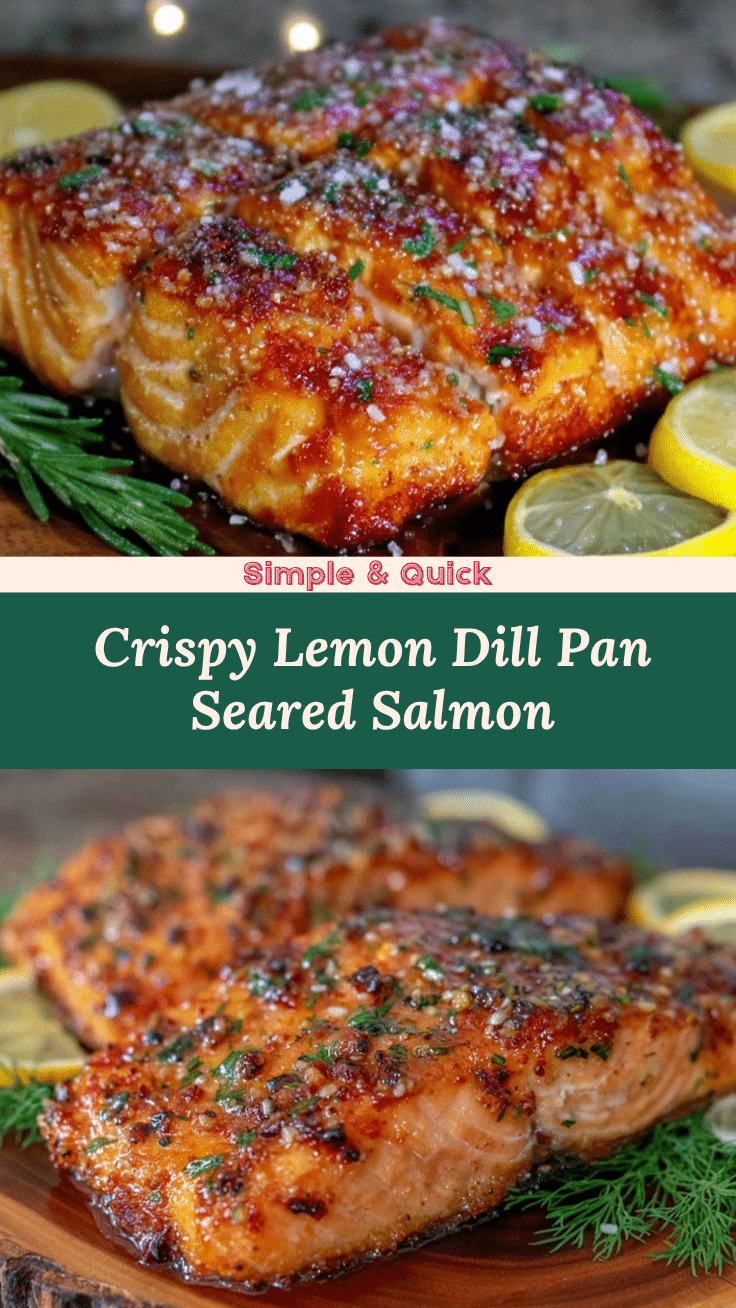
Crispy Pan Seared Salmon Recipe Easy Lemon Dill for Tender Flavorful Fish

A quick and easy pan seared salmon recipe featuring a crispy skin and tender, flavorful fish enhanced with a fresh lemon dill sauce. Perfect for busy weeknights or casual gatherings.
- Prep Time: 5 minutes
- Cook Time: 12 minutes
- Total Time: 17 minutes
- Yield: 4 servings 1x
- Category: Main Course
- Cuisine: American
Ingredients
- 4 salmon fillets (6 oz / 170 g each), skin-on, preferably wild-caught
- Salt and freshly ground black pepper, to taste
- 2 tablespoons extra virgin olive oil
- 1 tablespoon unsalted butter
- Fresh lemon juice from 1 medium lemon (about 2 tablespoons)
- Thin lemon slices for garnish
- 2 tablespoons fresh dill, chopped (or 2 teaspoons dried dill)
- 2 garlic cloves, minced
- Optional: pinch of smoked paprika
Instructions
- Pat the salmon dry on both sides using paper towels, about 2 minutes.
- Season both sides of the fillets with salt, freshly ground black pepper, and smoked paprika if using.
- Preheat a non-stick or cast iron skillet over medium-high heat for about 3 minutes.
- Add 2 tablespoons olive oil and 1 tablespoon butter to the skillet. Wait until butter foams and oil shimmers but does not smoke.
- Place the fillets skin-side down in the skillet. Press gently with a spatula for 10 seconds to prevent curling.
- Cook undisturbed for 5-6 minutes until the skin is golden brown and crisp.
- Flip the fillets carefully using a fish spatula and cook for another 2-3 minutes for medium doneness (internal temperature about 125°F / 52°C). For well-done, cook an additional minute.
- Lower heat to medium-low. Add minced garlic to the pan and cook for 30 seconds until fragrant.
- Remove from heat, squeeze fresh lemon juice over the salmon, and sprinkle chopped dill on top.
- Transfer fillets to a warm plate, garnish with thin lemon slices, and let rest for 1 minute before serving.
Notes
Patting the salmon dry is crucial for crispy skin. Avoid overcrowding the pan to prevent steaming. Use medium-high heat for best results and resist flipping too soon to avoid tearing the skin. Rest the fish before serving to keep it juicy. For dairy-free, substitute butter with coconut or avocado oil.
Nutrition
- Serving Size: 1 salmon fillet (6 o
- Calories: 350
- Fat: 22
- Carbohydrates: 2
- Protein: 34
Keywords: salmon, pan seared salmon, crispy salmon, lemon dill salmon, quick salmon recipe, healthy fish recipe, easy dinner, weeknight meal