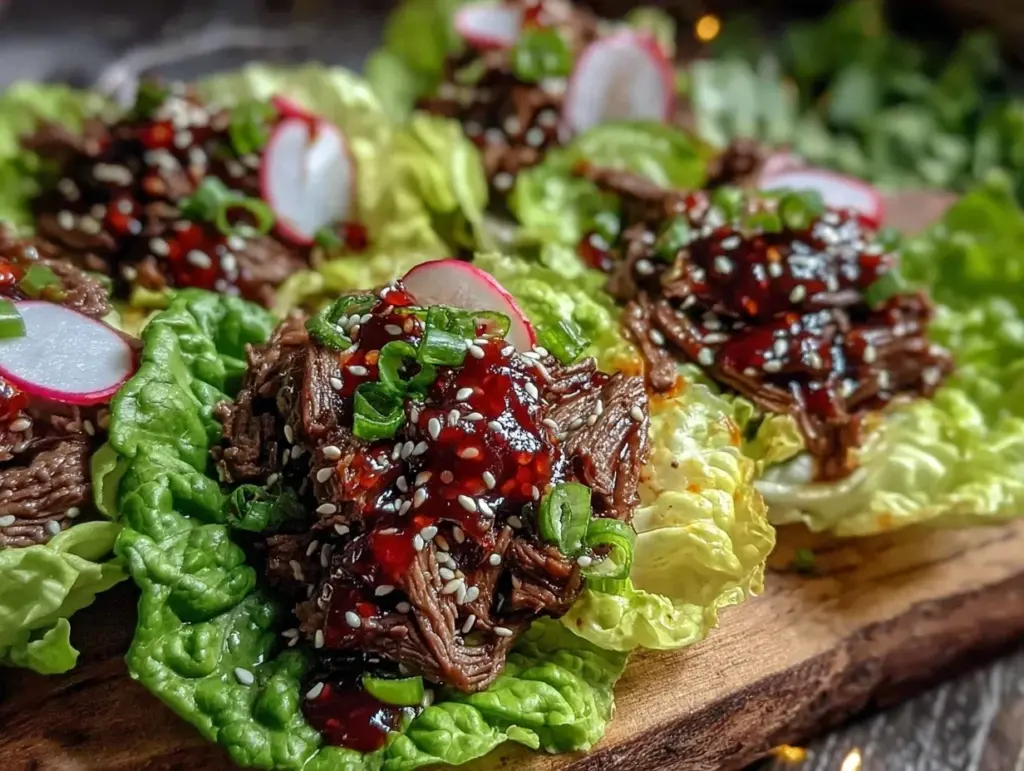
“I wasn’t expecting cooking advice from my plumber,” I said, wiping my hands on a rag as he tightened the kitchen faucet. “But there I was, watching him work while he told me about his grandmother’s secret bulgogi beef recipe.” That moment stuck with me—not just because the sink was finally fixed, but because the story sparked a craving I couldn’t shake. Korean BBQ bulgogi beef lettuce wraps, with their savory-sweet flavors and a spicy gochujang kick, had never been on my radar until that day.
That evening, I tried to recreate the recipe with what I had in the fridge and pantry, making a bit of a mess and forgetting the garlic at first. Yet, the result was surprisingly delicious—juicy, tender beef wrapped in crisp lettuce, with just the right amount of heat from the gochujang sauce. Maybe you’ve been there too: a sudden craving that turns into a new favorite. Honestly, these wraps are the kind of meal that makes you pause, close your eyes, and savor every bite.
Since then, I’ve refined the recipe to balance the flavors perfectly while keeping it quick and easy for those busy weeknights when you want something fresh, flavorful, and a little different. Whether you’re a fan of Korean food or just love a good wrap, these bulgogi beef lettuce wraps with spicy gochujang will likely become a staple in your kitchen as they are in mine.
Why You’ll Love This Recipe
This Korean BBQ bulgogi beef lettuce wraps recipe isn’t just another take on a classic; it’s the result of countless kitchen experiments and a few happy accidents. Here’s why it’s a winner every time:
- Quick & Easy: Ready in under 30 minutes. Perfect for when you want a tasty meal without the fuss.
- Simple Ingredients: Most are pantry staples or easy to find at your local grocery store or Asian market.
- Perfect for Entertaining: Great for casual dinners, potlucks, or impressing guests without stress.
- Crowd-Pleaser: Kids and adults alike love the tender beef and the fun of wrapping their own bites.
- Unbelievably Delicious: The combo of sweet, savory, and spicy flavors with fresh lettuce crunch hits all the right notes.
What makes this recipe stand out is the balance of flavors—the marinade uses soy sauce, a touch of sugar, and toasted sesame oil to create that authentic bulgogi taste. The spicy gochujang sauce adds a punch without overpowering the beef. Plus, the lettuce wraps keep the dish light and refreshing. Honestly, it’s comfort food with a fresh, zesty twist that keeps me coming back for more.
What Ingredients You Will Need
This recipe uses simple, wholesome ingredients that come together to deliver bold flavors and satisfying textures without fussing over hard-to-find items. Most of these you might already have in your kitchen, or you can grab them easily from any supermarket or an Asian grocery store.
- For the Bulgogi Beef:
- 1 lb (450g) thinly sliced beef ribeye or sirloin (ask your butcher to slice it thin or freeze slightly and slice yourself)
- 3 tbsp soy sauce (I prefer Kikkoman for its rich umami)
- 1 tbsp sesame oil (toasted for that nutty aroma)
- 2 tbsp brown sugar or honey (adds caramelized sweetness)
- 3 garlic cloves, minced (fresh is best)
- 1 tsp freshly grated ginger (for a subtle zing)
- 1/4 tsp black pepper
- 1 small yellow onion, thinly sliced (adds sweetness and texture)
- 1 scallion, chopped (for garnish and freshness)
- For the Spicy Gochujang Sauce:
- 2 tbsp gochujang (Korean chili paste; for mild spice, adjust to taste)
- 1 tbsp rice vinegar (balances heat with tang)
- 1 tbsp honey or maple syrup (smooths the spice)
- 1 tsp toasted sesame seeds (for crunch and flavor)
- For the Wraps:
- 1 head of green leaf or butter lettuce (washed and separated into leaves)
- Optional: julienned carrots, thin cucumber slices, or kimchi (adds crunch and freshness)
If you can’t find ribeye, sirloin or flank steak also works well. For a gluten-free option, swap soy sauce for tamari. And if you prefer a milder sauce, you can reduce the gochujang or mix it with a little mayo for creaminess. Personally, I love the balance of spicy and sweet here—it’s what makes these bulgogi beef lettuce wraps truly pop.
Equipment Needed
- A large mixing bowl (for marinating the beef; I like glass or stainless steel to avoid any weird flavors)
- Sharp knife and cutting board (essential for thinly slicing the beef and veggies)
- Nonstick skillet or cast-iron pan (a hot pan helps get that nice caramelization on the beef)
- Tongs or a spatula (for stirring and flipping the beef)
- Measuring spoons and cups (for accuracy in marinade and sauce)
- Small bowl (to mix the spicy gochujang sauce)
If you don’t have a cast iron, a heavy-bottomed skillet works just fine. For budget-friendly options, you can find good-quality nonstick pans under $30 that do the job well. Keeping your knives sharp makes slicing the beef much easier and safer—honestly, a dull knife can ruin the experience. Also, prepping the lettuce leaves ahead and keeping them chilled in the fridge helps with crispness when serving.
Preparation Method
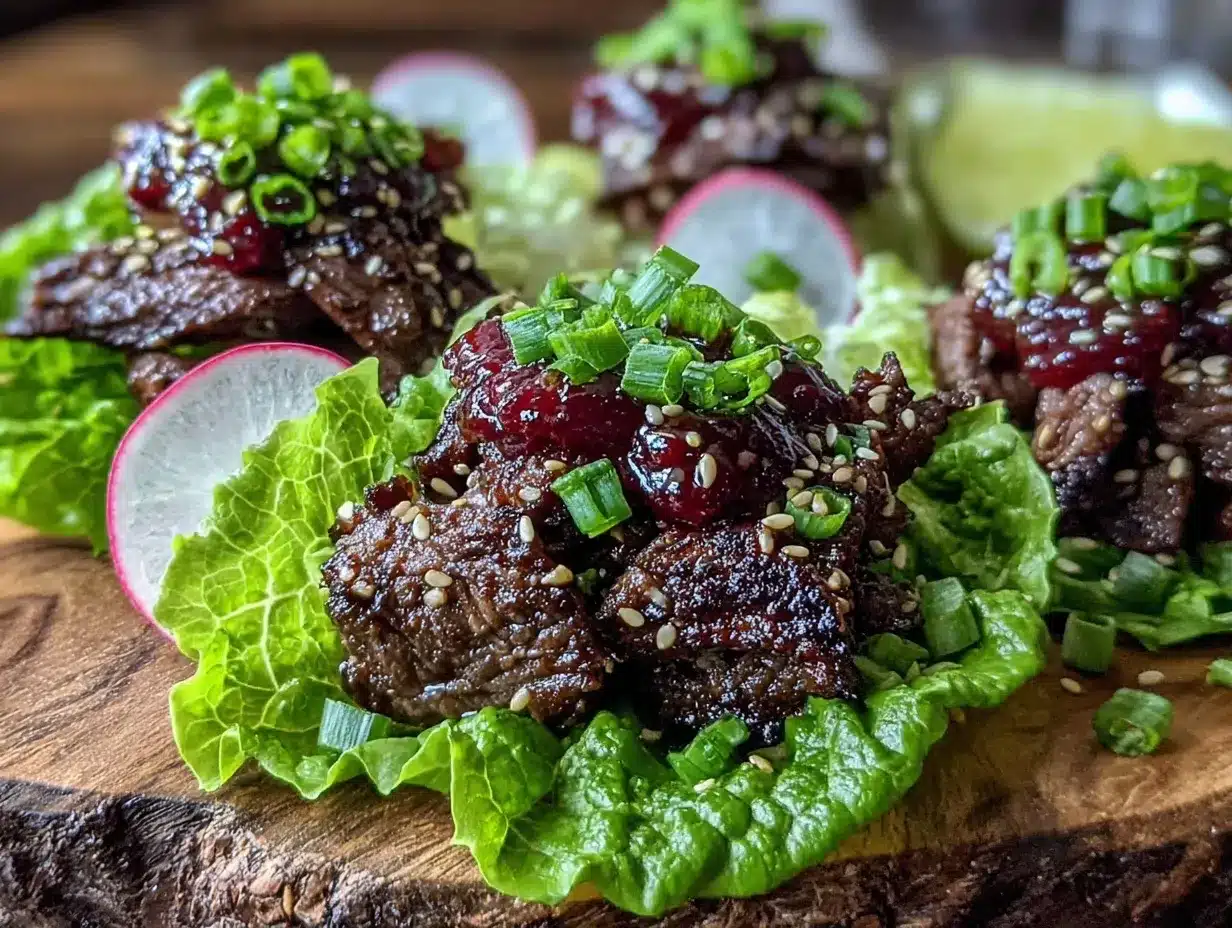
- Prepare the Beef Marinade: In a large mixing bowl, combine 3 tablespoons soy sauce, 1 tablespoon toasted sesame oil, 2 tablespoons brown sugar, minced garlic, grated ginger, and black pepper. Stir well until the sugar dissolves, about 1 minute.
- Slice the Beef Thinly: If your beef isn’t pre-sliced, place it in the freezer for 20-30 minutes to firm up (this makes slicing easier). Then slice across the grain into thin strips, about 1/8 inch (3 mm) thick.
- Marinate the Beef: Add the sliced beef and thinly sliced onion to the marinade bowl. Toss thoroughly to coat every piece. Cover with plastic wrap and let it sit in the fridge for at least 20 minutes, ideally up to 2 hours if you have time. This helps tenderize and infuse flavors.
- Make the Spicy Gochujang Sauce: While the beef marinates, mix 2 tablespoons gochujang, 1 tablespoon rice vinegar, 1 tablespoon honey, and 1 teaspoon toasted sesame seeds in a small bowl. Adjust sweetness or acidity to your liking. Set aside.
- Prepare the Lettuce and Veggies: Wash and dry the lettuce leaves thoroughly. Slice optional veggies like carrots or cucumbers thinly. Have kimchi ready if you like a fermented kick.
- Cook the Bulgogi Beef: Heat a large skillet over medium-high heat until hot but not smoking. Add the marinated beef and onions in a single layer. Cook for 3-4 minutes without stirring, allowing the beef to caramelize slightly. Then stir and cook another 2-3 minutes until beef is cooked through and nicely browned. Avoid overcrowding the pan; cook in batches if needed.
- Assemble the Wraps: Place a lettuce leaf on your plate, spoon a few pieces of bulgogi beef onto it, drizzle with spicy gochujang sauce, and add some sliced veggies or kimchi if using.
- Enjoy Immediately: These wraps are best served fresh for that crisp lettuce bite paired with warm, juicy beef.
If your beef sticks to the pan, it might not be hot enough—give it a minute longer to heat before adding the meat next time. Also, don’t overcook the beef or it gets tough—once browned and cooked through, remove it promptly. I learned the hard way after several failed attempts, and trust me, timing is everything here.
Cooking Tips & Techniques
Cooking bulgogi beef for lettuce wraps is all about layering flavors and textures, and a few little tricks go a long way.
- Slice Against the Grain: Cutting the beef thinly and across the grain ensures tenderness. It breaks muscle fibers for a more melt-in-your-mouth bite.
- Marinate Time Matters: While 20 minutes is the minimum, letting the beef soak up that marinade for an hour or two deepens the flavor and softens the meat.
- Don’t Crowd the Pan: Cooking too much beef at once causes steaming instead of searing. Work in batches if necessary to get that beautiful caramelization.
- Balance the Heat: Gochujang can be spicy, so start with less and add more as you go. Mixing it with a bit of honey or rice vinegar smooths the heat and adds complexity.
- Use Fresh Lettuce: Crisp, cold lettuce leaves make all the difference. Rinsing and drying thoroughly prevents soggy wraps.
- Multitasking: While the beef marinates, prep your sauce and veggies to save time. I often get distracted and forget one step, so setting everything out beforehand helps keep me on track.
One time, I left the beef marinating too long and it got a bit mushy. Lesson learned: stick to the recommended marinating time for best texture. Also, don’t be shy with the sesame oil—it adds a toasty flavor that’s essential here.
Variations & Adaptations
This Korean BBQ bulgogi beef lettuce wraps recipe is flexible and easy to customize for different tastes or dietary needs.
- Vegetarian/Vegan Version: Swap beef with thinly sliced king oyster mushrooms or marinated tofu. Use tamari instead of soy sauce for gluten-free.
- Mild or Extra Spicy: Adjust the gochujang amount or mix it with plain yogurt or mayo for a creamy, milder sauce.
- Gluten-Free: Replace soy sauce with gluten-free tamari or coconut aminos. Use coconut sugar instead of brown sugar if preferred.
- Seasonal Twist: In summer, add fresh herbs like mint or cilantro to the wraps for a bright note. Fall or winter? Try roasted sweet potatoes on the side.
- Personal Variation: I once added a splash of pineapple juice to the marinade for a subtle fruity tang that paired beautifully with the spicy sauce—highly recommended if you like a touch of sweetness.
Serving & Storage Suggestions
Serve these bulgogi beef lettuce wraps immediately for the best texture contrast between warm beef and crisp lettuce. Arrange them on a platter with bowls of spicy gochujang sauce and extra veggies for a fun, interactive meal.
They pair nicely with steamed rice or simple kimchi for a complete Korean-inspired feast. A cold Korean beer or lightly sweetened iced tea also complements the spicy, savory flavors well.
Leftovers can be stored in an airtight container in the refrigerator for up to 2 days. Keep the beef separate from the lettuce to avoid sogginess. To reheat, warm the beef gently in a skillet over medium heat until heated through. Avoid microwaving if possible to keep the texture intact.
Flavors often deepen after a day, so the marinade really shines if you prepare in advance. Just remember to keep the lettuce fresh and cold until ready to serve.
Nutritional Information & Benefits
One serving (about 3 wraps) contains approximately 350 calories, 25 grams of protein, 15 grams of fat, and 20 grams of carbohydrates.
This dish offers a good source of lean protein from the beef, combined with vitamins and fiber from the fresh lettuce and optional veggies. Gochujang adds a boost of probiotics and capsaicin, which may support metabolism.
For those watching carbs, skipping the rice or sweet additions keeps this meal relatively low-carb and gluten-free (if soy sauce is swapped for tamari). The use of fresh ingredients and controlled oil makes it a healthier alternative to heavier takeout options.
From a wellness perspective, I love how this meal feels balanced—comforting without being heavy. It’s satisfying, nourishing, and doesn’t leave you feeling weighed down.
Conclusion
These flavorful Korean BBQ bulgogi beef lettuce wraps with spicy gochujang are a delightful mix of sweet, savory, and spicy that come together quickly and simply. Whether you’re new to Korean flavors or a longtime fan, this recipe offers a fresh way to enjoy tender marinated beef wrapped in crisp greens.
Feel free to tweak the heat level, swap proteins, or add your favorite veggies to make it your own. Personally, I keep coming back to this recipe because it’s a reliable crowd-pleaser that always feels special without demanding hours in the kitchen.
If you try it, I’d love to hear how you make it yours—drop a comment below or share your favorite variations. Happy cooking and wrapping!
FAQs
Can I use a different cut of beef for bulgogi?
Yes, flank steak, sirloin, or ribeye all work well. Just be sure to slice thinly against the grain for tenderness.
What if I can’t find gochujang?
You can substitute with a mix of chili paste and a bit of miso or soy sauce, but gochujang has a unique flavor that’s worth trying to find at an Asian market or online.
How spicy is the gochujang sauce?
It has a moderate heat level. You can adjust by using less or mixing it with honey or yogurt for a milder taste.
Can I prepare the beef marinade in advance?
Absolutely! Marinating for up to 2 hours enhances flavor, but avoid marinating longer than 4 hours to prevent the meat from becoming mushy.
What’s the best lettuce for wraps?
Green leaf, butter lettuce, or romaine work great because they’re sturdy but tender and provide a nice crunch.
Pin This Recipe!
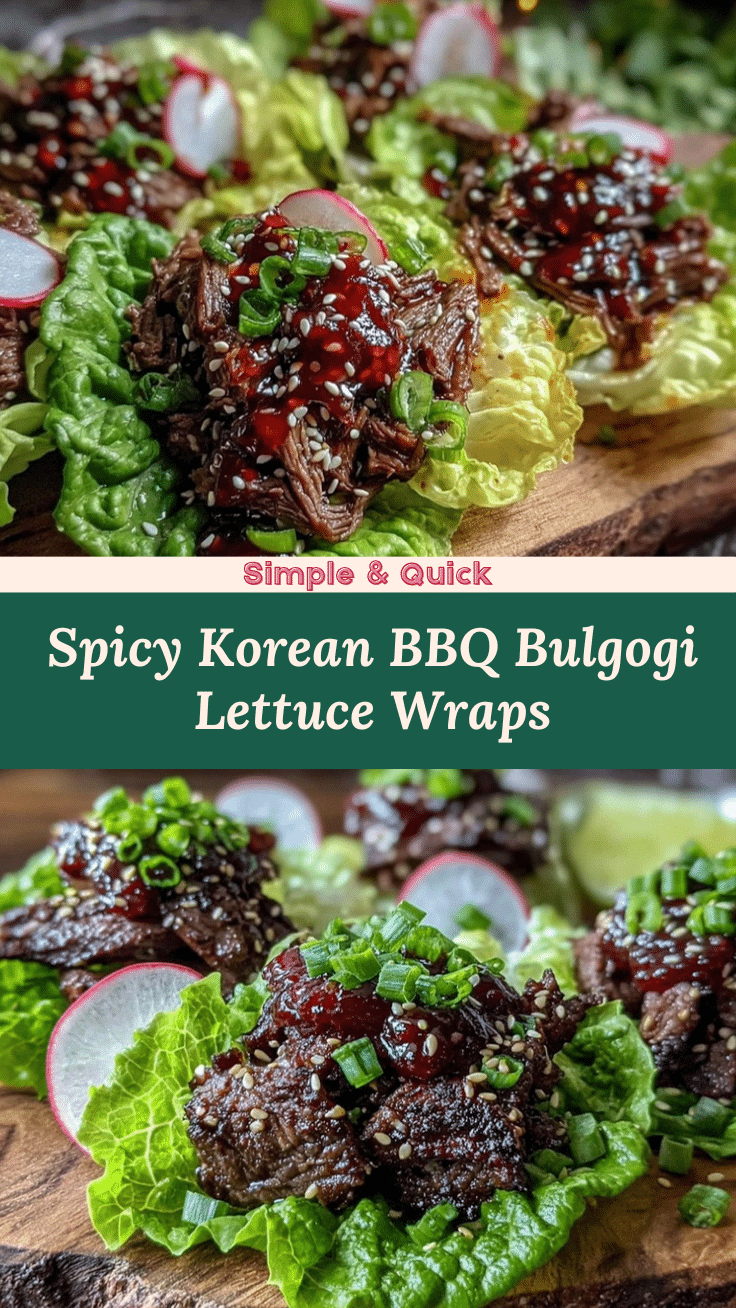
Flavorful Korean BBQ Bulgogi Beef Lettuce Wraps Easy Spicy Gochujang Recipe

Juicy, tender Korean BBQ bulgogi beef wrapped in crisp lettuce with a spicy gochujang sauce, perfect for a quick and flavorful meal.
- Prep Time: 15 minutes
- Cook Time: 10 minutes
- Total Time: 25 minutes
- Yield: 4 servings 1x
- Category: Main Course
- Cuisine: Korean
Ingredients
- 1 lb thinly sliced beef ribeye or sirloin
- 3 tbsp soy sauce
- 1 tbsp toasted sesame oil
- 2 tbsp brown sugar or honey
- 3 garlic cloves, minced
- 1 tsp freshly grated ginger
- 1/4 tsp black pepper
- 1 small yellow onion, thinly sliced
- 1 scallion, chopped
- 2 tbsp gochujang (Korean chili paste)
- 1 tbsp rice vinegar
- 1 tbsp honey or maple syrup
- 1 tsp toasted sesame seeds
- 1 head green leaf or butter lettuce, washed and separated into leaves
- Optional: julienned carrots, thin cucumber slices, or kimchi
Instructions
- In a large mixing bowl, combine soy sauce, toasted sesame oil, brown sugar, minced garlic, grated ginger, and black pepper. Stir until sugar dissolves.
- If beef is not pre-sliced, freeze for 20-30 minutes to firm up, then slice thinly across the grain about 1/8 inch thick.
- Add sliced beef and thinly sliced onion to marinade. Toss to coat, cover, and refrigerate for at least 20 minutes, up to 2 hours.
- Mix gochujang, rice vinegar, honey, and toasted sesame seeds in a small bowl for the spicy sauce. Adjust sweetness or acidity as desired.
- Wash and dry lettuce leaves. Prepare optional veggies like carrots, cucumbers, or kimchi.
- Heat a skillet over medium-high heat. Add marinated beef and onions in a single layer. Cook 3-4 minutes without stirring to caramelize, then stir and cook 2-3 more minutes until cooked through.
- Place a lettuce leaf on a plate, spoon bulgogi beef onto it, drizzle with gochujang sauce, and add optional veggies or kimchi.
- Serve immediately for best texture and flavor.
Notes
Slice beef thinly against the grain for tenderness. Marinate at least 20 minutes, ideally up to 2 hours. Avoid overcrowding the pan to get good caramelization. Use fresh, crisp lettuce leaves and keep them chilled until serving. Adjust gochujang spice level to taste. For gluten-free, substitute soy sauce with tamari.
Nutrition
- Serving Size: About 3 wraps per se
- Calories: 350
- Fat: 15
- Carbohydrates: 20
- Protein: 25
Keywords: Korean BBQ, bulgogi, beef lettuce wraps, gochujang, spicy, easy recipe, Korean cuisine, quick dinner