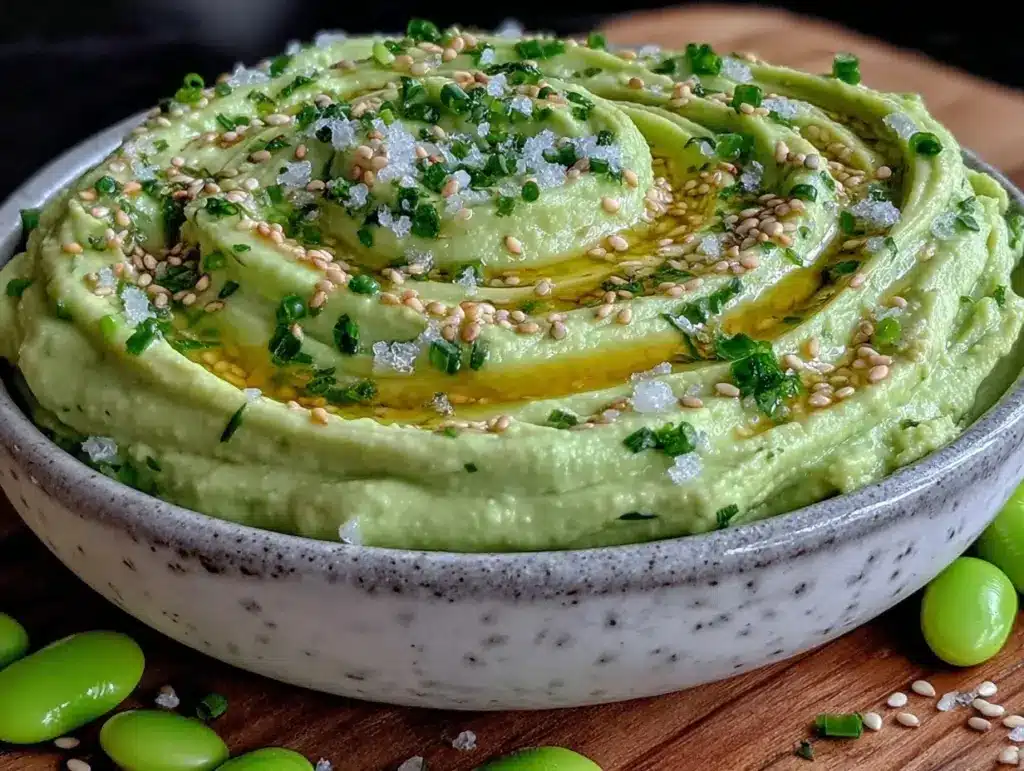
“You know that moment when you’re at a friend’s house, and they pull out this unexpected snack that just steals the show? That’s exactly how I stumbled upon fresh edamame hummus. It wasn’t in some fancy restaurant or a trendy café, but rather, during an impromptu backyard barbecue on a sunny Thursday evening. My neighbor, Mark, who’s more known for his impressive garden than his cooking skills, whipped up this creamy, zesty dip that had everyone reaching for more. Honestly, I was skeptical at first—edamame in hummus? But the way those bright green beans blended seamlessly with a hint of lemon and garlic was something else.
That night, amidst laughter and the clinking of glasses, I found myself scribbling down the recipe on a napkin after Mark jokingly admitted he ‘accidentally’ created it while trying to make regular hummus but ran out of chickpeas. I made a mess in my kitchen the next day attempting to replicate it, forgot to add the lemon juice once (which was an honest disaster), but that creamy, zesty flavor kept pulling me back.
Whether you’re a hummus traditionalist or someone looking for a fresh twist on a classic, this fresh edamame hummus recipe is the kind of snack that feels both familiar and exciting. Maybe you’ve been there—searching for a dip that’s easy, vibrant, and just different enough to impress at your next gathering. Let me tell you, this one’s stuck around in my rotation for good reason.
Why You’ll Love This Recipe
After testing dozens of variations and tweaking the balance of flavors, I’ve landed on this fresh edamame hummus recipe that’s honestly become my go-to. Here’s why it stands out:
- Quick & Easy: Ready in under 15 minutes — perfect when you want something tasty without the fuss.
- Simple Ingredients: Uses pantry staples and frozen edamame; no hunting down exotic items.
- Perfect for Snacking: Ideal for casual get-togethers, healthy lunches, or just dipping veggies while binge-watching your favorite show.
- Crowd-Pleaser: Everyone from kids to adults loves the creamy texture and bright, zesty kick.
- Unbelievably Delicious: The edamame’s natural sweetness combined with garlic and lemon creates a flavor combo that’s both refreshing and comforting.
What sets this recipe apart is the subtle but crucial addition of tahini and a splash of olive oil, which gives it that ultra-smooth feel without being heavy. Plus, the fresh lemon juice really wakes up the whole dip, making it zingy but balanced. It’s not just another hummus riff—it’s the freshest, creamiest version you’ll find, and it feels like a little celebration every time you scoop up a bite. Honestly, it’s the kind of recipe that makes you close your eyes and savor that perfect blend of creamy and zesty.
What Ingredients You Will Need
This fresh edamame hummus recipe relies on straightforward, wholesome ingredients to deliver bold flavor and satisfying texture without any fuss. Most items are pantry staples, and frozen edamame keeps it convenient year-round.
- Frozen Edamame (shelled, about 1 ½ cups / 225 grams): The star of the show; look for quality brands like Trader Joe’s or Whole Foods 365 for firm, vibrant beans.
- Tahini (¼ cup / 60 ml): Adds richness and that classic hummus nuttiness; I prefer a smooth, well-stirred tahini like Soom.
- Garlic (2 cloves, minced): Fresh garlic gives the dip its punch; don’t use pre-minced here if you can help it.
- Fresh Lemon Juice (3 tablespoons / 45 ml): Crucial for the zesty brightness; freshly squeezed is non-negotiable.
- Extra Virgin Olive Oil (3 tablespoons / 45 ml), plus more for drizzling: Use a fruity, high-quality olive oil to round out the flavors.
- Ground Cumin (½ teaspoon): Adds a subtle earthiness that complements the edamame.
- Salt (¾ teaspoon, adjust to taste): Sea salt or kosher salt works best for even seasoning.
- Water or Aquafaba (reserved from cooking edamame, about 2-3 tablespoons): Helps achieve that creamy texture without heaviness.
Optional additions: A pinch of smoked paprika or a handful of fresh herbs like parsley or cilantro can jazz things up if you want to experiment. If you’re avoiding sesame, swap tahini for sunflower seed butter for a nutty twist.
Equipment Needed
- Food Processor or High-Speed Blender: Essential for getting that ultra-smooth texture. I’ve tried this in a blender, and while it works, a food processor gives you better control over consistency.
- Measuring Cups and Spoons: For precise ingredient amounts; kitchen scales can help for accuracy.
- Citrus Juicer: Not mandatory, but it makes squeezing fresh lemon juice much easier and less messy.
- Colander or Sieve: To drain the edamame after boiling.
- Mixing Bowl: For tossing and tasting before serving.
If you don’t own a food processor, a sturdy blender with a tamper works fine—just be patient and pulse carefully. Also, I recommend rinsing your food processor bowl immediately after use; tahini can be stubborn to clean once dried. Budget-friendly options like a basic mini chopper will get the job done, though the texture might be a bit chunkier.
Preparation Method
- Cook the Edamame: Bring a pot of salted water to a boil. Add 1 ½ cups (225 grams) of shelled frozen edamame and cook for 4-5 minutes until tender but still bright green. Drain well, reserving 2-3 tablespoons of the cooking water (aquafaba). Let the edamame cool slightly. (Tip: Overcooking can dull the color and texture, so keep an eye on the clock.)
- Prepare the Garlic and Lemon Juice: While the edamame cooks, mince 2 cloves of fresh garlic finely. Juice 3 tablespoons (45 ml) of fresh lemon juice, removing seeds. Fresh lemon juice is key here to get that zesty pop.
- Blend the Ingredients: In your food processor, combine the cooked edamame, ¼ cup (60 ml) tahini, minced garlic, lemon juice, 3 tablespoons (45 ml) extra virgin olive oil, ½ teaspoon ground cumin, and ¾ teaspoon salt. Start blending on low speed.
- Add Reserved Water: Slowly pour in 2-3 tablespoons of the reserved edamame cooking water (or plain water if you didn’t save any). This helps the mixture blend smoothly. Stop and scrape down the sides as needed. The hummus should be creamy but not runny. (Note: If it feels too thick, add water 1 tablespoon at a time.)
- Taste and Adjust: Give the hummus a taste. Add more salt, lemon juice, or garlic if needed. I like an extra splash of lemon for brightness, but that’s personal! Blend briefly again to combine.
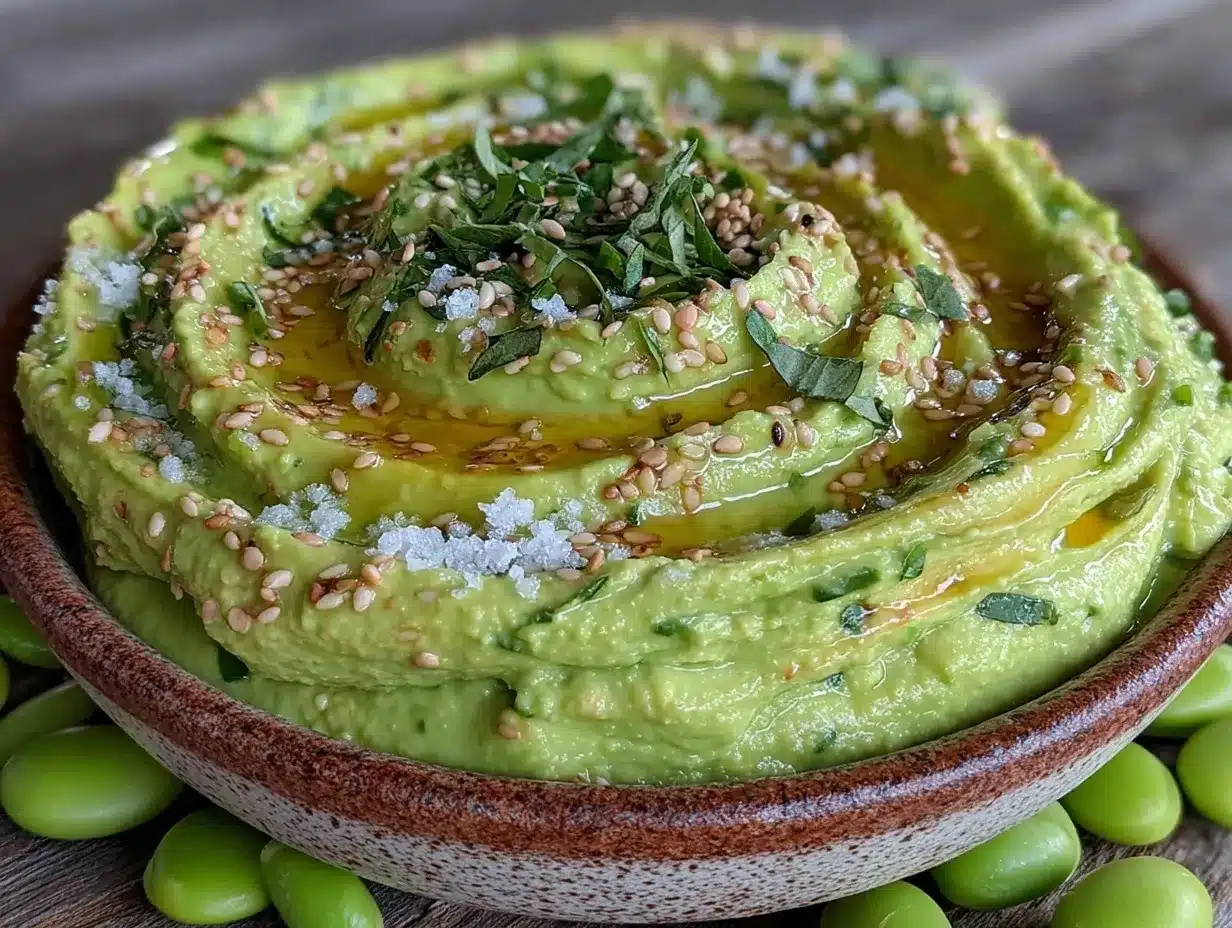
- Final Touch: Transfer the hummus to a serving bowl. Drizzle with a little more olive oil and, if you like, sprinkle some smoked paprika or chopped fresh herbs on top.
- Serve: Let it rest at room temperature for 10 minutes before serving to allow flavors to meld. Serve with pita chips, fresh veggie sticks, or use as a spread in sandwiches.
Personal tip: I once forgot the cumin entirely, and while it still tasted good, the earthiness was definitely missing. That small detail makes a noticeable difference!
Cooking Tips & Techniques
Getting fresh edamame hummus just right is easier with a few insider tricks I picked up along the way:
- Don’t Skip the Lemon Juice: It’s the zing that brightens the whole dip. Fresh squeezed beats bottled every time.
- Pulse, Don’t Overblend: Over-processing can warm the hummus and alter the texture. Use short pulses and scrape down the bowl to keep it cool and creamy.
- Use Aquafaba or Water Strategically: This thins the hummus without watering down flavor. I find aquafaba adds a silkier texture than plain water.
- Salt Gradually: Add salt in increments and taste as you go to avoid over-salting.
- Multitask Efficiently: While the edamame cooks, prep your garlic and lemon juice to save time.
- Storage Tip: The flavors deepen overnight, so making it a few hours ahead or the day before really enhances the taste.
Once, I undercooked the edamame and ended up with a slightly grainy texture. Lesson learned: tender but not mushy beans make a smoother, silkier hummus.
Variations & Adaptations
This fresh edamame hummus recipe is flexible and can be customized to suit your taste or dietary needs:
- Spicy Kick: Add ¼ teaspoon cayenne pepper or a few dashes of hot sauce for a little heat.
- Herbaceous Twist: Blend in fresh basil, cilantro, or mint for a garden-fresh flavor.
- Roasted Red Pepper: Toss in ½ cup roasted red peppers for sweetness and color.
- Gluten-Free & Vegan: Naturally suitable for both diets; just watch the dipping accompaniments.
- Low-Fat Version: Reduce olive oil to 1 tablespoon and increase lemon juice for zing without heaviness.
For a personal favorite, I once swapped tahini for almond butter, which gave it a slightly different nuttiness and creaminess—perfect when tahini was out of stock!
Serving & Storage Suggestions
Serve this fresh edamame hummus chilled or at room temperature for the best flavor. Presentation-wise, a shallow bowl with a drizzle of olive oil and a sprinkle of paprika or finely chopped herbs makes it look inviting.
It pairs wonderfully with crisp vegetables like carrot sticks, cucumber slices, and bell peppers. Pita wedges or crispy crackers are classic companions. For something different, try it as a spread on sandwiches or wraps.
Store leftovers in an airtight container in the refrigerator for up to 4 days. The flavors meld beautifully overnight, but the fresh lemony zing stays vibrant. When reheating, just bring it to room temperature or warm gently—avoid microwaving directly to keep the texture intact.
Nutritional Information & Benefits
Per serving (about ¼ cup / 60 grams): approximately 120 calories, 7 grams protein, 6 grams fat (mostly healthy fats), and 8 grams carbohydrates.
Edamame is a fantastic source of plant-based protein, fiber, and essential amino acids. Plus, it’s rich in iron and calcium. Tahini adds heart-healthy fats and a dose of calcium as well. This dip is naturally gluten-free and low in sugar, making it a wholesome snack option.
From a wellness perspective, this creamy, zesty dip offers satisfying flavor without heaviness, so you can enjoy it guilt-free. It’s a great way to sneak in more plant-based protein during snack time.
Conclusion
So, this fresh edamame hummus recipe is worth a spot in your kitchen repertoire because it’s simple, satisfying, and just different enough to keep things interesting. Whether you’re feeding a crowd or just craving a creamy, zesty snack for yourself, this dip delivers every time.
Feel free to tweak the garlic, lemon, or spice levels to suit your palate—after all, cooking should be fun and personal. I love how this recipe feels both fresh and comforting, a little twist on tradition that keeps me coming back.
If you try it, please drop a comment below and share your favorite variations. I’d love to hear how you make it your own! Happy dipping, friends!
FAQs
Can I use canned edamame instead of frozen?
Canned edamame tends to be softer and sometimes saltier, which can affect texture and flavor. If you do use canned, rinse thoroughly and adjust salt accordingly.
How long does fresh edamame hummus last in the fridge?
Stored in an airtight container, it keeps well for up to 4 days. Flavors improve after a few hours, but best eaten within that timeframe.
Is this hummus recipe suitable for meal prep?
Absolutely! It’s a great make-ahead dip that stays fresh and tasty for several days, perfect for snacks or to add to meals.
Can I freeze edamame hummus?
Freezing is possible, but the texture may change slightly. If you freeze it, thaw in the fridge and stir well before serving.
What can I use if I don’t have tahini?
Sunflower seed butter or almond butter make good substitutes, though the flavor will shift slightly. You can also omit it, but the dip won’t be as creamy or nutty.
Pin This Recipe!
Fresh Edamame Hummus Recipe Easy Creamy Zesty Dip for Snacks

A quick and easy fresh edamame hummus that’s creamy, zesty, and perfect for snacking. This recipe uses simple ingredients and delivers a vibrant twist on classic hummus.
- Prep Time: 10 minutes
- Cook Time: 5 minutes
- Total Time: 15 minutes
- Yield: 6 servings 1x
- Category: Snack
- Cuisine: Fusion
Ingredients
- 1 ½ cups (225 grams) shelled frozen edamame
- ¼ cup (60 ml) tahini
- 2 cloves garlic, minced
- 3 tablespoons (45 ml) fresh lemon juice
- 3 tablespoons (45 ml) extra virgin olive oil, plus more for drizzling
- ½ teaspoon ground cumin
- ¾ teaspoon salt, adjust to taste
- 2–3 tablespoons reserved cooking water (aquafaba) or plain water
Instructions
- Bring a pot of salted water to a boil. Add 1 ½ cups (225 grams) of shelled frozen edamame and cook for 4-5 minutes until tender but still bright green. Drain well, reserving 2-3 tablespoons of the cooking water (aquafaba). Let the edamame cool slightly.
- While the edamame cooks, mince 2 cloves of fresh garlic finely. Juice 3 tablespoons (45 ml) of fresh lemon juice, removing seeds.
- In a food processor, combine the cooked edamame, ¼ cup (60 ml) tahini, minced garlic, lemon juice, 3 tablespoons (45 ml) extra virgin olive oil, ½ teaspoon ground cumin, and ¾ teaspoon salt. Start blending on low speed.
- Slowly pour in 2-3 tablespoons of the reserved edamame cooking water (or plain water if you didn’t save any) to help the mixture blend smoothly. Stop and scrape down the sides as needed. The hummus should be creamy but not runny. Add water 1 tablespoon at a time if too thick.
- Taste and adjust seasoning by adding more salt, lemon juice, or garlic if needed. Blend briefly again to combine.
- Transfer the hummus to a serving bowl. Drizzle with a little more olive oil and optionally sprinkle smoked paprika or chopped fresh herbs on top.
- Let it rest at room temperature for 10 minutes before serving to allow flavors to meld. Serve with pita chips, fresh veggie sticks, or as a spread in sandwiches.
Notes
Use fresh lemon juice for best flavor. Pulse the food processor to avoid warming the hummus. Aquafaba adds a silkier texture than plain water. Store leftovers in an airtight container in the fridge for up to 4 days. Flavors improve after resting overnight. Optional additions include smoked paprika, fresh herbs, cayenne pepper, or roasted red peppers.
Nutrition
- Serving Size: About ¼ cup (60 gram
- Calories: 120
- Fat: 6
- Carbohydrates: 8
- Protein: 7
Keywords: edamame hummus, creamy dip, zesty hummus, healthy snack, vegan dip, gluten-free hummus, easy hummus recipe